
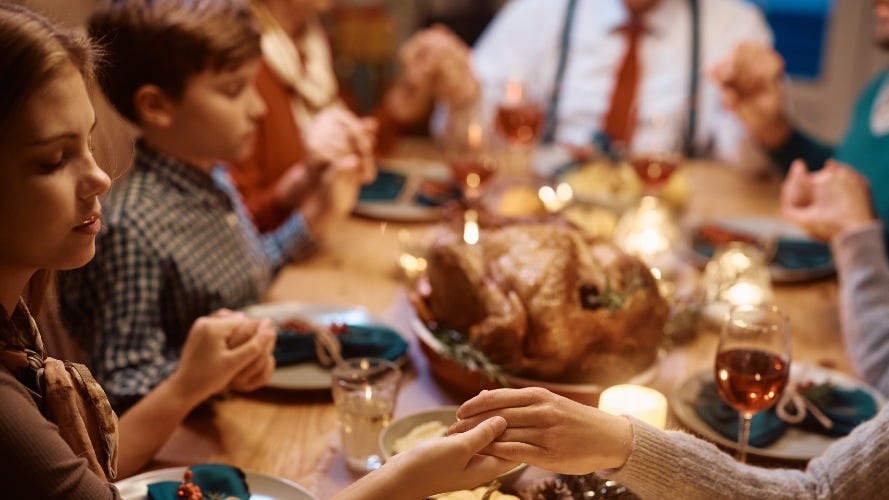

This piece argues that even after a painful midterm and a Thanksgiving of tighter budgets, Americans have concrete reasons to give thanks: brave public servants, constitutional safeguards, grassroots journalism, falling overdose and homicide rates, resilient farmers, free speech platforms, a returning church among young men, unsung cyber defenders, and the surety of God’s plan and salvation. It asks readers to hold gratitude beside resolve and to recognize that loss this year is an opportunity to learn and to regroup.
The election was rough for Republicans and for many voters who felt the sting at the checkout line. Rising costs and foreign entanglements cost political capital, and control of Congress shifted hands in ways that will force hard choices. That context makes gratitude harder, not less important.
Remember the lawmen and agents who take the unpopular shifts and keep showing up at the border and in the cities. They endure assaults, threats, and public shaming while enforcing laws Congress passed, and most nights they do their job without a parade. Notice their service and give thanks for the fact that order still gets enforced when others retreat.
The Constitution was designed to slow waves and protect stability, and that mattered this season. The framers expected bad elections and set up staggered Senate terms, veto requirements, and lifetime judges to prevent sudden overturns. Those guardrails saved the country from an immediate sweep and deserve quiet gratitude.
History helps keep losses in perspective. Thomas Paine wrote, “These are the times that try men’s souls. The summer soldier and the sunshine patriot will, in this crisis, shrink from the service of their country; but he that stands by it now, deserves the love and thanks of man and woman.” His words remind us that patience and persistence matter when the outcome is uncertain.
A new kind of reporter is changing accountability. A young man with a camera can expose graft and force action where bigger outlets faltered, and his work drew national attention quickly. “I ENDED TIM WALZ.” is the blunt reaction that captures how digital natives can move markets and politics without editorial gatekeepers.
There is concrete good news few campaigns bragged about: drug overdose deaths and urban homicides have fallen notably in recent years. Those declines mean fewer funerals and more filled chairs at Thanksgiving tables, and they reflect police work, treatment, and border enforcement working together. Give credit to the first responders and ministries doing the slow, gritty work to keep families whole.
Losing in a midterm is painful, but the timing matters. A setback now gives an opposition party time to learn what messages failed and which candidates underperformed before a presidential election. Voters also know where to point blame; when the majority controls committees and gavel power come January, responsibility for economic relief will be harder to dodge, and that accountability can be useful politically.
Free speech platforms made this era possible by letting citizens publish without a permission slip. When services resisted foreign censorship and legal pressure, leaders called victories “a complete victory for free speech.” Those fights matter because they keep a national conversation open without editors picking winners and losers for the public.
A hopeful cultural note is the rise in young men returning to church and buying Bibles again, a trend that was modest but real. Religious attendance among younger men rose and Bible sales climbed, suggesting communities of faith are drawing people back to steady practices. That return reshapes character in ways that don’t trend instantly but have long-run effects.
Farmers and ranchers carried one of the toughest years, with diesel and fertilizer spikes and shrinking herds, yet they still planted, calved, and harvested. Their labor keeps the table full even when prices hurt and margins evaporate, and their perseverance is a national service. If you can, buy directly from a farmer and thank someone who chose to keep feeding the country.
Cyber scares got headlines, but the quiet defenders kept most outages from becoming catastrophes. County IT directors, hospital security analysts, and utility engineers patch systems and shut down intrusions in the middle of holidays, stopping disasters before voters notice them. Be grateful for the watchmen who labor unseen and rarely get credit until something goes wrong.
Christians facing persecution worldwide put our troubles in perspective; many cannot worship openly without risking death. “We are troubled on every side, yet not distressed; we are perplexed, but not in despair; Persecuted, but not forsaken; cast down, but not destroyed. (2 Corinthians 4:8-9)” Their courage should shape our prayers and humility.
Finally, faith reframes politics. Daniel wrote, “And he changeth the times and the seasons: he removeth kings, and setteth up kings: he giveth wisdom unto the wise, and knowledge to them that know understanding. (Daniel 2:21)” And the gospel holds the ultimate gratitude: “But God commendeth his love toward us, in that, while we were yet sinners, Christ died for us. (Romans 5:8)” Those truths free a patriot to fight hard without being crushed by each defeat.




You must be logged in to post a comment Login