
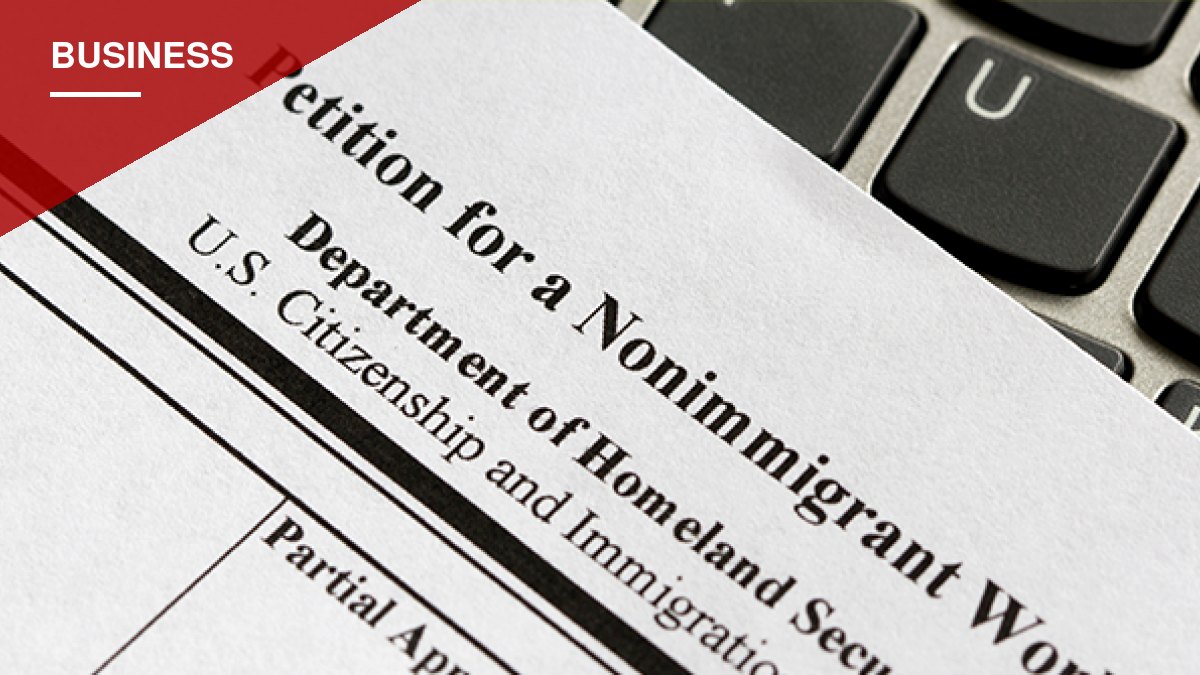

A new economic analysis argues that decades of temporary high-skill visa programs, including the H-1B visa, have significantly lowered pay for American workers in computing and engineering fields rather than simply filling a labor shortage.
The research, authored by Harvard economist George Borjas, estimates that American workers with master’s degrees and undergraduate majors in computing earned 15.8 percent less in 2024 than they would have without temporary high-skill immigration programs. For workers in electrical and computer engineering, the shortfall was 17.2 percent.
The H-1B program was created by Congress in 1990 as a temporary fix for what technology industry leaders described as a shortage of skilled workers. The program initially capped new visas at 65,000 a year, though that cap applied only to new hires, not to extensions for workers already in the country. Over the years, Congress raised and lowered the cap several times, temporarily pushing it as high as 195,000 before it eventually settled back near its original level, with an additional 20,000 slots added for workers with advanced U.S. degrees.
There is no official, regularly updated count of how many people are currently working in the U.S. under H-1B status. The U.S. Citizenship and Immigration Services’ most recent formal estimate put the






You must be logged in to post a comment Login