

A round of reader letters published by the New York Post this week took aim at two recurring complaints about life in New York City: grade inflation in public schools and safety concerns tied to e-bikes and e-scooters.
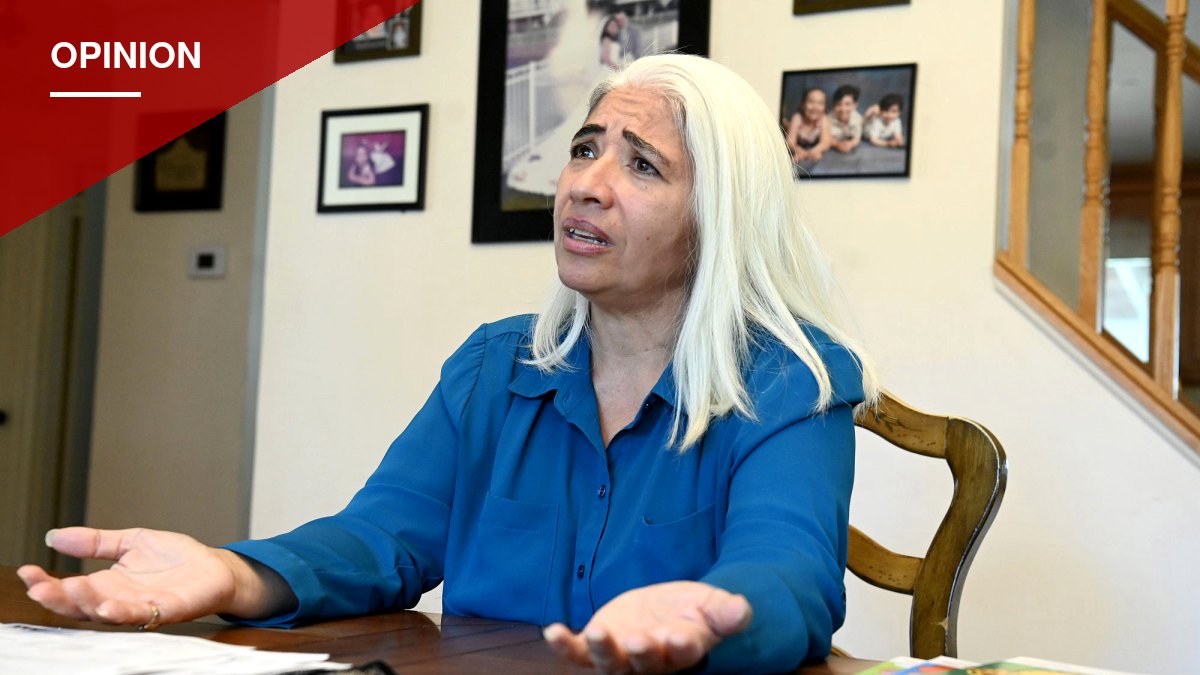
Several letters responded to a prior column from education advocate Adriana Aviles, who wrote about discovering her son could not do basic math despite receiving high grades in New York City schools. Readers questioned why Aviles, described as a “fierce education advocate,” had not noticed the gap sooner.
Does Aviles realize that her well-deserved tirade against the school system is as much a call for parental involvement as it is for educational reform?
One self-identified retired educator placed blame on American Federation of Teachers president Randi Weingarten, arguing that spending per student has risen even as learning outcomes have fallen. A former CUNY professor wrote that grade inflation in city high schools has downstream effects, recalling students who reached college unable to read or write at a high-school level.
Other letter writers pressed Aviles directly, asking where she was while her son did his homework over the years and placing responsibility on her for not checking his work sooner. One letter struck a more hopeful note, saying it isn’t too late to help the boy catch up, though it will require sustained effort from his mother.
A second set of letters addressed safety concerns in Central Park and across the city tied to e-bikes and e-scooters. One writer noted that while a death connected to a horse carriage ride drew attention, dozens of deaths and injuries linked to e-bikes and scooters have occurred without similarly prompting policy action. The writer criticized the City Council for moving to end the horse-carriage industry, which the letter said employed New Yorkers and supported tourism, while leaving e-bike regulation largely unaddressed.
The letter called on Mayor Mamdani and the City Council to reconsider their priorities, arguing that the rise in cycling has made sidewalks and park paths less safe for elderly and disabled residents. The writer said enforcing existing laws that restrict where cyclists can ride is a government responsibility, not something senior citizens should have to raise themselves, and questioned the value of spending on bike lanes if cyclists ride outside them regardless.




You must be logged in to post a comment Login