
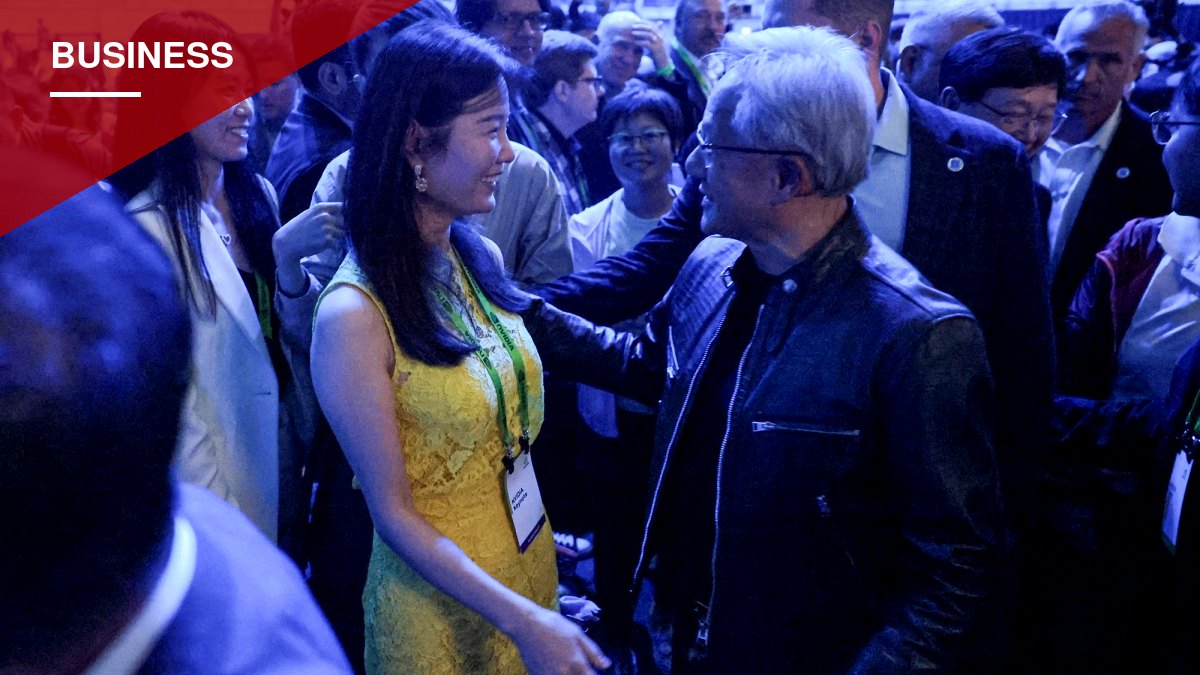

Nvidia’s ousted CEO Jensen Huang is facing scrutiny over far more than a personal scandal, according to allegations now circulating in Washington and on Wall Street. While reports of an extramarital affair have dominated headlines since his dismissal last week, administration officials and critics say the real issue is Huang’s alleged role in selling advanced AI chips to China in ways that may have endangered national security.
Treasury Secretary Scott Bessent has been among the administration’s China hawks pointing to the chip sales as the core problem. The allegations center on whether Huang’s company sold cutting-edge semiconductors — the kind capable of powering advanced artificial intelligence systems — to buyers tied to China in violation of export restrictions.
At the center of the controversy is Huang’s relationship with a woman described as a vendor representative and a possible Chinese spy. According to the allegations, her company functioned as a “cut out” for a China-based tech firm seeking access to Nvidia’s most advanced, export-restricted chips. US intelligence suspects her company helped Chinese firms evade export controls by acquiring those high-end chips.
Huang has faced probes and class action lawsuits over the matter, and there is evidence suggesting he misrepresented the nature of his relationship with the woman at the center of the allegations.
Governance questions beyond the scandal
Separate from the China allegations, Huang’s management style has drawn criticism. He maintained 60 direct reports overseeing Nvidia’s roughly 42,000 employees — a notably flat structure compared to JPMorgan, where CEO Jamie Dimon manages a workforce of more than 300,000 with just 12 direct reports.
At 63, Huang had not put a succession plan in place, and he had installed his own children in key roles at the company, raising concerns about nepotism at a publicly traded firm.
Mixed signals from Washington
The administration’s response to the allegations has been inconsistent. Bessent has described export control rules as strict, but the Commerce Department, which handles frontline enforcement, may have granted Nvidia some leeway, according to the allegations. President Trump has said he is sad to see Huang go and has expressed a desire for him to return to the company, even after Nvidia’s board rejected that option.
Huang himself has said he would be open to returning as CEO if a petition seeking his reinstatement succeeds, despite the ongoing probes and lawsuits.
The episode has drawn comparisons to the fiduciary duties public company executives owe shareholders — chiefly, avoiding actions that could jeopardize the company itself. Critics argue that while a personal affair would not typically be grounds for removing a CEO of Huang’s stature, allegations of compromising national security for commercial gain are a different matter entirely.





You must be logged in to post a comment Login