
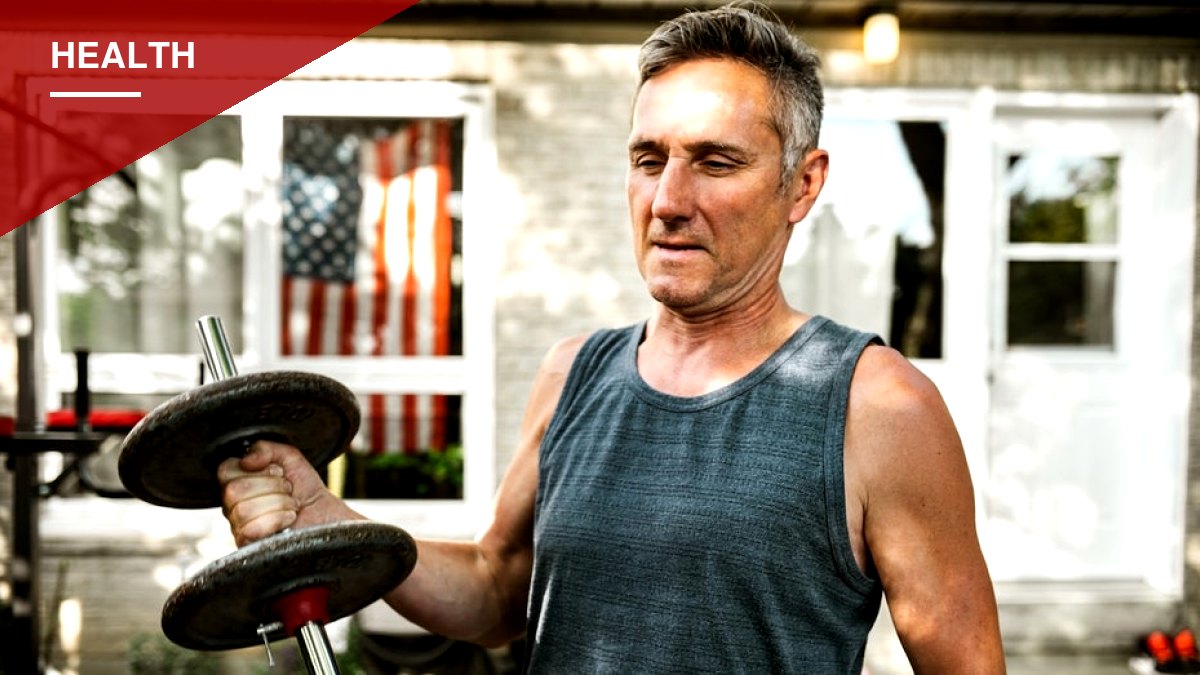

As use of GLP-1 weight-loss drugs such as Ozempic, Wegovy and Zepbound continues to climb across the country, a Miami-based biologist and longevity expert is urging users to take a simple daily step to protect their muscle mass while the pounds come off.
Gallup data cited in the report show that 11% of U.S. adults now say they take these medications for weight loss, up sharply from 3% in 2024. Research shows that lean mass, which includes muscle and other tissues, can account for roughly a quarter to a third of the total weight lost on these treatments.
Gary Brecka, a biologist and longevity expert based in Miami, Florida, told Fox News Digital that people on GLP-1 medications need to actively guard against losing lean body mass even as they celebrate shrinking waistlines.
“GLP-1s can be life-saving for people, especially for people who are morbidly obese or have type 2 diabetes, but they can also be fascinating shifts in someone’s trajectory of their wellness journey,” Brecka said. “What’s critically important for people who embark on a GLP-1 journey is to make sure that they are mitigating the lean body-mass loss.”
Not All Weight Loss Is Fat Loss
Brecka said many patients assume shedding pounds on these drugs means losing fat alone, but that’s not the full picture.
“When most people say, ‘I want to lose weight,’ what they’re really saying is, ‘I want to lose fat,'” Brecka said. “But with GLP-1s, you have a double-edged sword. About 20% to 40% of the weight that you lose is what we call lean body mass.”
Lean body mass isn’t just muscle — it includes water, organs, blood and connective tissue such as tendons and ligaments. Brecka said preserving that tissue matters not just for appearance but for long-term independence, since strength underpins everyday tasks like bathing, dressing and walking.
“The more that we can maintain control and dominion over those, the more independent we can be,” he said.
The Six-Minute Fix
Brecka’s core recommendation is deceptively small: just six minutes of resistance exercise a day.
“People think of weight-training or resistance training as something they’ve got to dedicate 60 to 90 minutes to every day, and therefore they think they don’t have enough time in their day,” he said.
For those without time for a full gym session, Brecka suggests “snacking” on exercise throughout the day — a knee-supported plank progressing to a full plank, body-weight squats, or abdominal crunches. Dumbbell or barbell moves through a full range of motion, such as a goblet squat, also work.
“You don’t have to lift like a bodybuilder to mitigate lean body mass loss,” Brecka said. “All you have to do is provide resistance for these tissues so that your body doesn’t begin to reabsorb them while you’re on this GLP-1 journey.”
He recommends treating exercise as “non-negotiable” — at minimum three days of resistance training and three days of cardiovascular work each week. Cardio, he said, can be as simple as a 20-minute walk with the dog, potentially made more challenging with a weighted vest, or choosing stairs over an escalator or moving walkway at the airport.
“There are simple things that you can do every single day … that have a dramatic impact on your body’s ability to rebuild these tissues,” Brecka said. “These small choices throughout our lifetime are what build resilience for the decades ahead.”
Protein’s Role
Brecka also stressed pairing exercise with sufficient protein intake, since protein supplies the amino acids the body needs to build and maintain muscle, tendons, ligaments and cartilage — whether it comes from chicken, beef or plant-based sources.
“Protein is important for so many more things than just muscle and the physical things that we see on the outside,” he said. “It’s also responsible for building these lean body mass structures.”
Federal dietary guidelines currently recommend 1.2 to 1.6 grams of protein per kilogram of body weight daily, a range echoed in a joint advisory on GLP-1 treatment, though it notes targets should be tailored to the individual.
Brecka encouraged patients to watch for warning signs, such as a flight of stairs that suddenly feels harder than before, and to raise any drop in energy or exercise performance with their doctor.






You must be logged in to post a comment Login