

A string of technology outages and system glitches over the past ten days, including at the National Security Agency, has drawn bipartisan concern on Capitol Hill, with lawmakers from both parties pressing for more information about whether the disruptions point to a broader cybersecurity threat.
Rep. Keith Self (R-TX), who previously worked in intelligence at the Pentagon, said the pattern of outages does not look routine. “I will tell you from my dealing back in the intelligence world in the Pentagon, this is not normal,” Self said in a Fox News report Saturday. “Ask the questions.”
Sen. John Ossoff (D-GA) echoed that concern from across the aisle. “Cybersecurity is a serious issue, and threats are becoming more serious,” he said.
Not every lawmaker sees cause for alarm. Rep. Pete Ricketts (R-NE), who ran a technology company before entering Congress, said the outages may simply reflect the complexity of modern systems. “These systems are complex,” Ricketts said. “I used to run a company that had technology. It’s not unusual.”
Administration Says Incidents Are Unrelated
The Trump administration has said the recent incidents were isolated technical failures unrelated to any malicious activity. But speculation has grown, particularly after President Trump fired National Cyber Director Sean Cairncross on Thursday over concerns that he lacked adequate cybersecurity credentials for the position.
Self said he remains skeptical of the administration’s public explanations. “The question has got to be asked, ‘Is there an offensive cyberattack going on that we’re not going to hear about? Because I don’t believe any of the public statements that are made, because something is going on behind the scenes,” he told Fox News.
AI’s Dual Role
Experts note that artificial intelligence cuts both ways in cybersecurity. AI tools are increasingly effective at identifying weaknesses in computer systems, but the process of patching those vulnerabilities can itself create strain on companies’ networks. At the same time, hackers can use AI to uncover security gaps they might otherwise have missed.
Infrastructure Vulnerabilities
Lawmakers pointed to a wide range of systems that could be at risk, including banking, aviation, local water utilities and power grids.
“The localized municipal-based infrastructure in America is a soft target,” Sen. Tim Sheehy (R-MT) told Fox News Digital. “And that’s been flagged for decades. We haven’t addressed it fully. And I think over the past week, we’ve seen it’s time we get serious about it.”
Sen. John Hoeven (R-ND) said the interconnected nature of modern systems demands constant vigilance. “Everything’s interconnected now, so we’ve got to be working on security all the time,” Hoeven said. “Cybersecurity is a big deal, and it’s not just in government, but in business as well, and that’s what we’re seeing. There’s been a number of these incidents around the country now and, obviously, people are concerned about it and we should be.”
A Rare Chance for Bipartisanship
Despite deep divisions in Congress, some lawmakers see cybersecurity legislation as one of the few areas where bipartisan cooperation remains possible, provided the debate stays focused on the policy rather than politics.
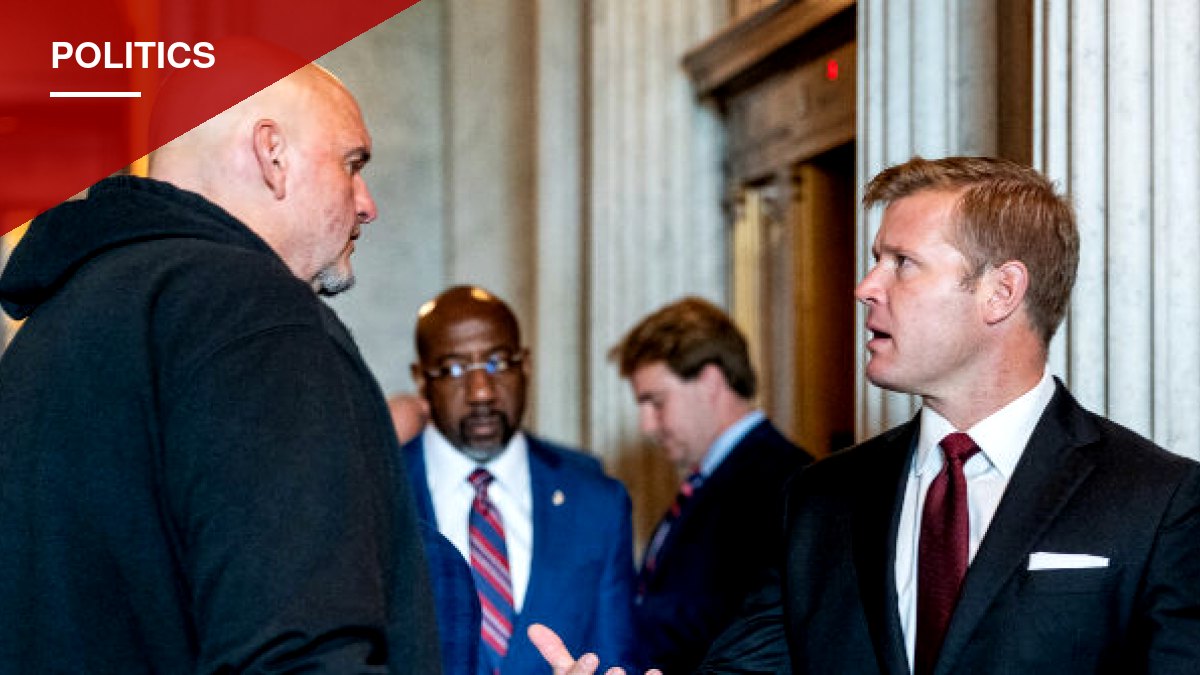
Sen. John Fetterman (D-PA) said lawmakers need clarity before they can act. “If they’re interconnected or random, no one really knows because they’re putting out a lot of misinformation,” Fetterman said. “So, we really need to strip out the politics and find out really what it is.”





You must be logged in to post a comment Login