
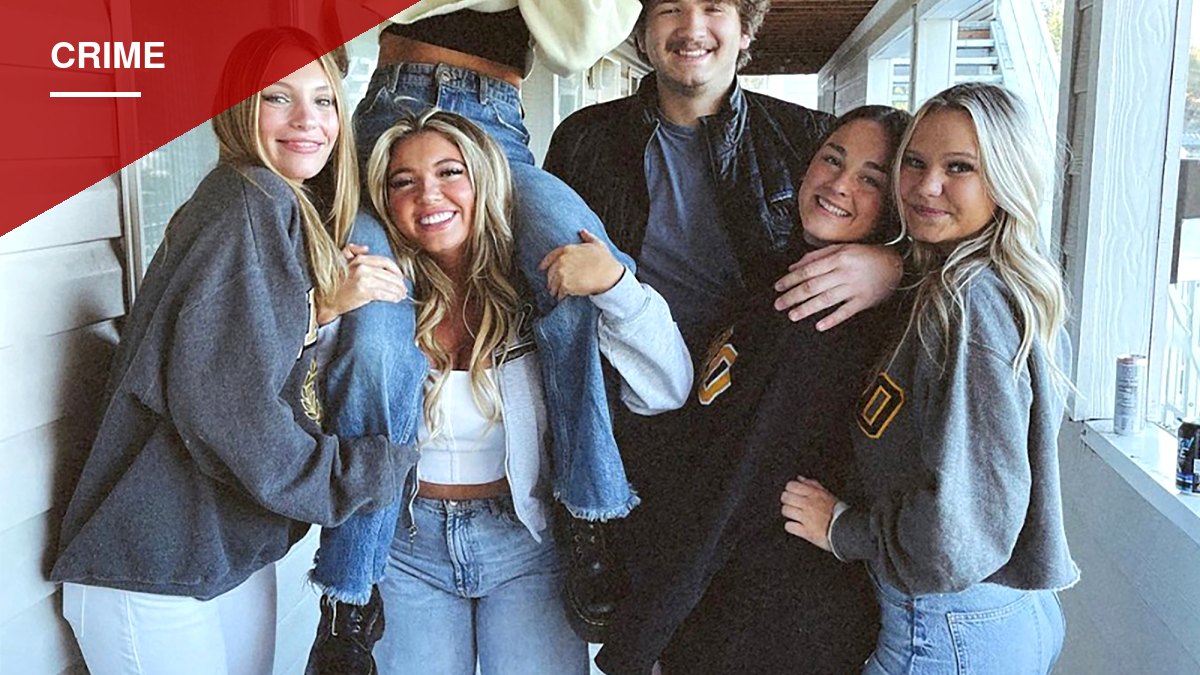

Dylan Mortensen, one of the roommates who survived the November 2022 killings of four University of Idaho students in Moscow, says relentless harassment has forced her family to relocate nine times and that she now wants her face blurred in investigative video recordings set for release.
Mortensen, who told police she saw a man with bushy eyebrows wearing a ski mask in the home the night her roommates were killed, laid out the toll the case has taken on her in a court filing submitted in Latah County. In an Oct. 29 affidavit, she said her life “has changed in ways I never could have imagined” and that the “amount of attention and hostility” directed at her has “affected nearly every aspect” of her life.
She said she has endured “years of hateful messages and threats” and has used an alias both at work and when introducing herself to people. She also said she avoids using her real name for package deliveries so that others cannot learn where she lives.
Bryan Kohberger was sentenced to life in prison last year after pleading guilty to the Nov. 13, 2022, stabbing deaths that shook the close-knit Moscow community. He is now attempting to withdraw that plea. No motive for the killings has been established, and it remains unclear why Mortensen and another roommate were spared.
Push for privacy as records are released
The filing comes after Latah County Judge Megan Marshall last month ordered the release of records sought by EWU Media, a company that produces crime documentaries, which had sued the city of Moscow to obtain them. Marshall wrote in an Oct. 20 decision that the city had failed to show the records were properly withheld and ordered their disclosure absent an applicable exemption under the Idaho Public Records Act. She noted the act does not broadly shield the identity of witnesses in an investigation.
In her affidavit supporting a motion to intervene in the case, Mortensen asked Marshall to ensure her face is blurred in any police interviews, body-camera footage or other investigative recordings that are made public. She said she is “already being recognized despite the privacy protections currently in place” based on recordings already released, and worries that additional footage “would make it even easier for strangers to identify me in everyday situations.”
“I am already being recognized despite the privacy protections currently in place, and I worry that making additional footage of my face available would make it even easier for strangers to identify me in everyday situations.”
Mortensen said she has received “numerous unsolicited messages from strangers accusing me of participating in my friends’ murders, blaming me for their deaths, and making cruel statements about what they believe should happen to me.”
She acknowledged that photographs and videos of her already circulate online and that her identity is publicly known, but argued there is a meaningful difference between those images and “the lengthy police interviews and body-camera recordings taken during one of the most traumatic and vulnerable periods of my life.” She said the release of extended footage showing how she talks, reacts and expresses herself could make her even more identifiable, and that she does not want her facial expressions picked apart by strangers online.
“I want to be able to work, meet new people, attend concerts, celebrate important moments with friends, and enjoy ordinary experiences without constantly worrying about being recognized or confronted.”
The Associated Press sought comment from the city of Moscow, EWU Media and Mortensen’s attorney but did not immediately receive responses.



You must be logged in to post a comment Login