

A legal fight over a Department of Justice list naming 20,930 Californians it says are likely noncitizens registered to vote has escalated, with new questions emerging over how an analysis of that list was produced and who should see the data behind it.
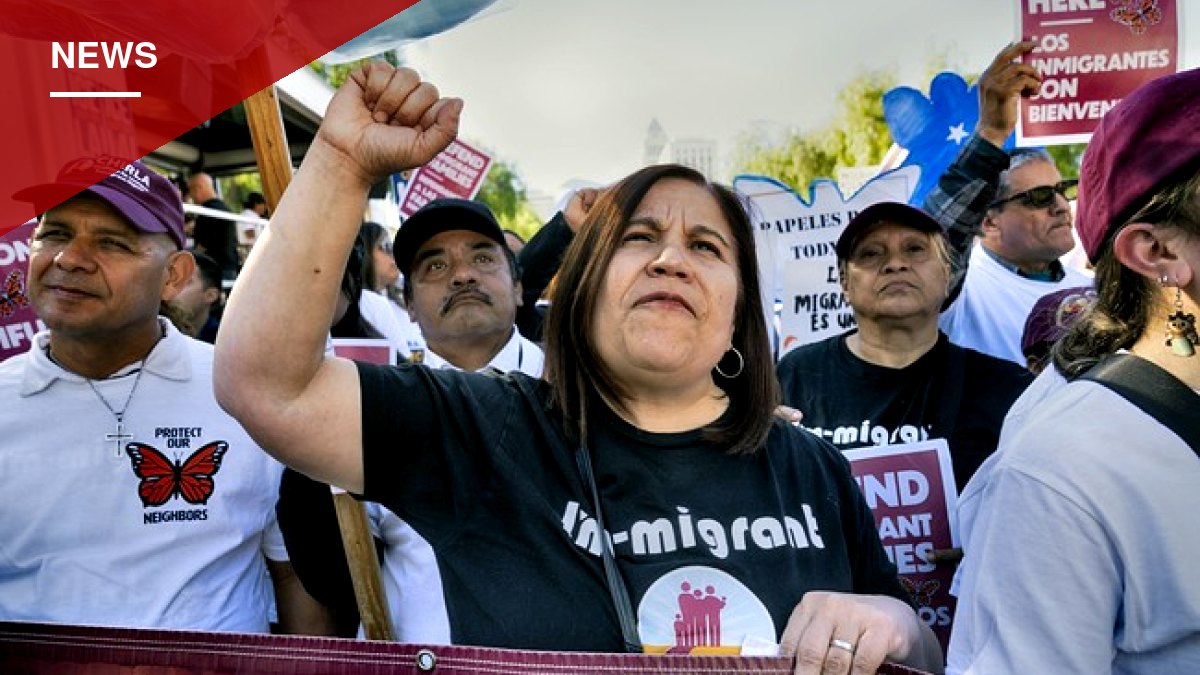
The list originated from litigation the DOJ filed against the State of California and Los Angeles County, seeking to have election officials segregate ballots from people on the list until their citizenship could be verified. A separate case, filed in September in the U.S. District Court for the District of Columbia, was brought by the Coalition for Humane Immigrant Rights Los Angeles, known as CHIRLA, an immigrant advocacy group based in Los Angeles.
On Friday, Judge James Boasberg ordered the DOJ to turn over its list of 20,930 names to CHIRLA so the group could compare it against its own membership records to establish standing in its case against the federal government.
Data scientists with the UCLA Voting Rights Project, which serves as counsel for CHIRLA in the suit, then compared the DOJ’s list to a list of CHIRLA members and clients identified as naturalized citizens. According to the Associated Press, that analysis found that 8,880 names, or 42% of the entire list, do not correspond to anyone in California’s current voter file, and that at least 22 names match confirmed U.S. citizens.
The AP’s reporting on the analysis quickly drew attention nationally. But the commentary site RedState, in a piece published November 1, argued the coverage omitted important context about who conducted the analysis and how.
Questions About the Analysis
According to the DOJ’s own sworn declarations in the California case, its list was built from a version of the state’s voter roll obtained by the Department of Homeland Security that was current as of August 2025. The UCLA Voting Rights Project’s analysis, by contrast, relied on California’s current voter file — access RedState notes the DOJ itself does not have, after a federal judge ruled in January, in USA v. Weber, that the state was not required to turn it over.
RedState’s analysis argues that if the UCLA team’s findings are accurate, the discrepancy could reflect routine voter-roll maintenance by state and local officials between August and now, rather than a flaw in the DOJ’s original list — meaning roughly 60% of the names remain on the rolls.
On the claim that 22 people on the list are U.S. citizens, the underlying report from the UCLA experts states:




You must be logged in to post a comment Login