

After Texas Democrats made historic gains in this month’s midterms, a fight has broken out over whether the state’s new school voucher program helped drive the shift — and the evidence on both sides is more complicated than the political rhetoric suggests.
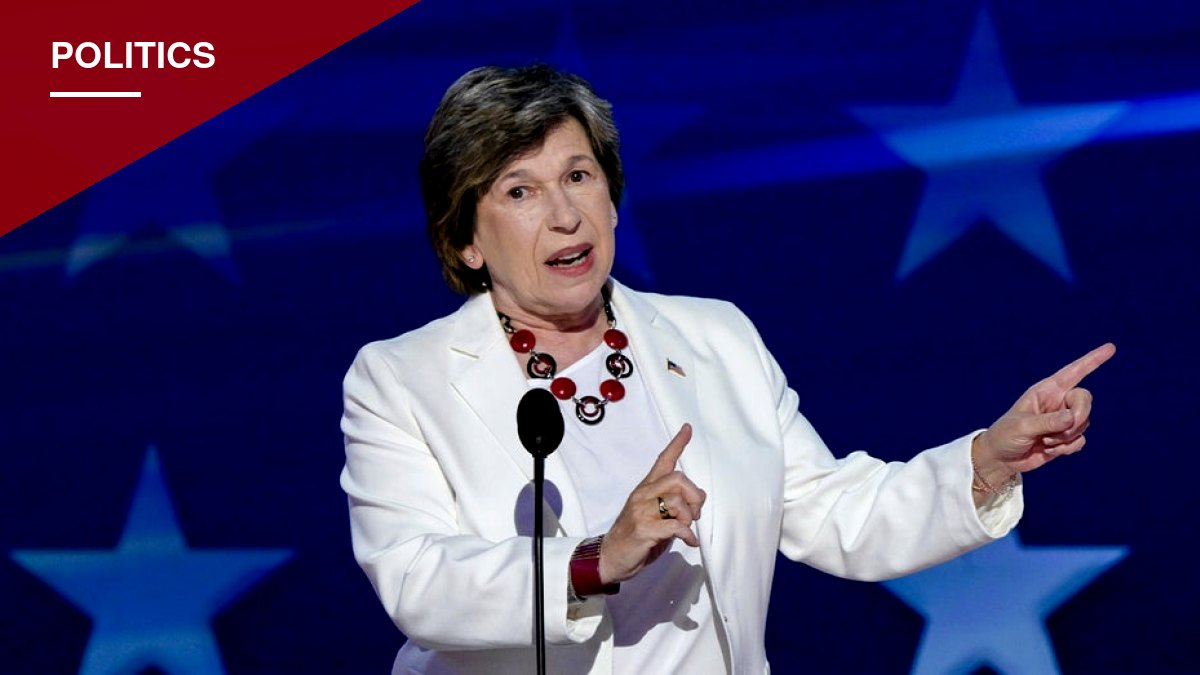
Gina Hinojosa, the Democrat elected as Texas’s next governor, criticized the program directly in her victory speech, saying “We will work tirelessly to repair the damage of the Texas voucher scam.” American Federation of Teachers president Randi Weingarten went further, arguing nationally that “voters across the nation rejected the defunding of schools and the far-right’s culture wars and privatization agenda.”
But conservative commentator Corey DeAngelis, writing in a Fox News opinion column, contends the numbers don’t back up that narrative. He points to several data points worth examining.
Rural voters held steady
According to NBC exit polling cited in the column, Gov. Greg Abbott received roughly the same share of the rural vote in both 2022 and 2026 — between 64% and 66% — even as his overall statewide margin shifted nine points to the left amid what Lt. Gov. Dan Patrick has described as Texas turning “purple.” Of more than 20 Texas House seats that flipped from Republican to Democrat, only one flip occurred among the 30 most rural districts, which remained heavily Republican, per the column.
Demand for the program remains high
More than 274,000 students applied for Texas Education Freedom Accounts in the program’s first year, with over 100,000 students receiving funding and tens of thousands more on a waitlist after available money ran out, the column notes. Despite that, Texas Democrats have already filed proposals to end the scholarships for those more than 100,000 mostly low-income children. The column notes that most of the 10 Democratic state senators co-sponsoring those proposals either attended private school themselves or sent their own children to one.
Polling cited in the piece also shows broad support for choice: a 2024 University of Houston poll found 69% of Texas voters backed universal education savings accounts, and University of Texas at Tyler polling in 2023 put support at 60%. A University of Texas at Austin poll from this past October found voters trusted Hinojosa and her Republican opponent equally on public education — a shift from Democrats’ traditional double-digit advantage on the issue, DeAngelis argues, suggesting the Hinojosa education platform didn’t resonate with voters.
School funding measures failed anyway
Texas voters this month rejected nearly $7 billion in proposed additional public school funding — about 85% of the total dollar amount on the ballot, according to the column. That comes a year after voters overwhelmingly approved, by a margin of 79.4% to 20.6%, a measure increasing the homestead exemption from school district property taxes, which reduced local tax revenue available to public schools.
A newspaper controversy
The column also criticizes The Dallas Morning News for running an op-ed by a self-described “longtime Republican,” Suzanne Bellsnyder, suggesting rural Republicans were warming to Hinojosa. The paper later added an editor’s note saying it was unaware Bellsnyder’s firm had been paid $57,000 by the Hinojosa campaign, and that it would not have published the piece had it known. The newspaper did not remove the article.
The bigger national picture
DeAngelis notes that Democrats also flipped Senate seats in Mississippi and Alaska this cycle, states without universal school-choice programs, suggesting the broader leftward shift in this year’s midterms was a national trend not specific to education policy. Education ranked near the bottom of voters’ top issues this cycle, well behind the economy and immigration, according to the column.
DeAngelis’s conclusion is that school choice did not cost Abbott the governorship and that Hinojosa might have fared even better had she supported it rather than opposed it. That argument remains contested by voucher critics, including Weingarten, who maintain the program’s expansion fueled broader backlash against Republican-led education policy this cycle.




You must be logged in to post a comment Login