
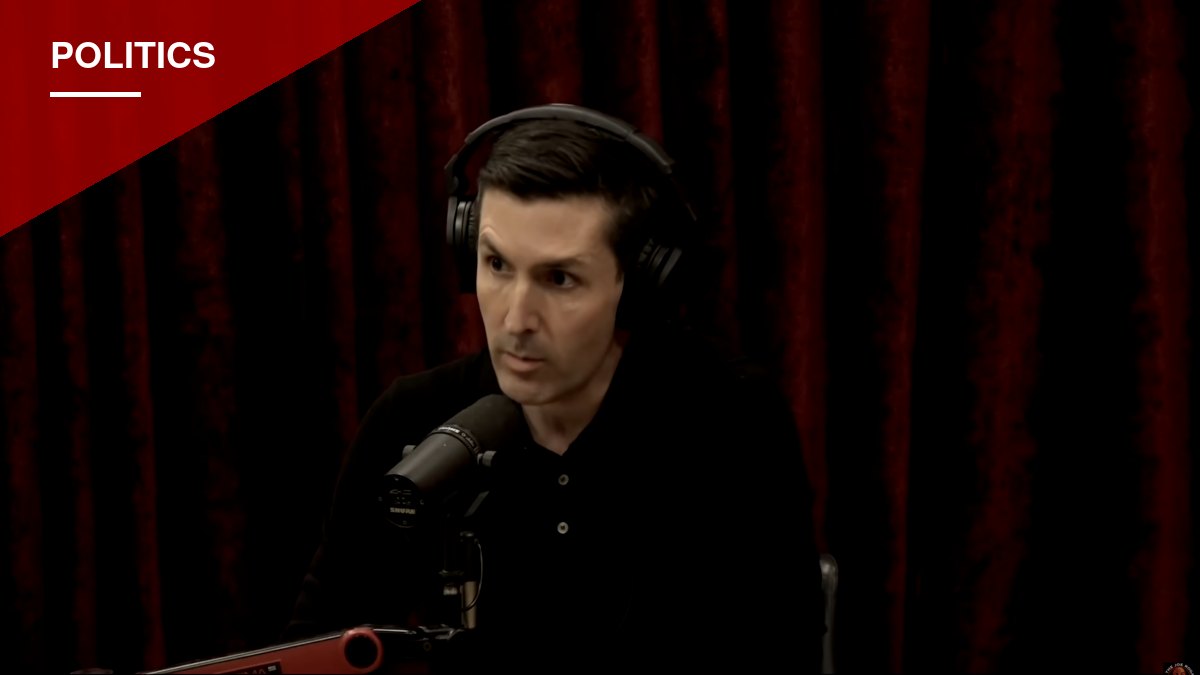

Calley Means, who resigned last month as an adviser to Health and Human Services Secretary Robert F. Kennedy Jr., says industry lobbying and midterm election politics repeatedly blocked parts of the Make America Healthy Again agenda from moving forward inside the Trump administration.
Means made the claims in an interview with Joe Rogan, saying White House officials often weighed what industry donors wanted before deciding whether to act on MAHA proposals. He said the pattern was not unique to one party, and that President Donald Trump himself was frequently left in the dark about decisions made on his behalf.
Means, who helped bring Trump and Kennedy together during the 2024 campaign, said he and former Clinton-era FDA commissioner David Kessler had agreed on the need to confront sugar and refined carbohydrates in the American diet. He said then-Chief of Staff Susie Wiles blocked that effort, telling him, “I need the money from the sugar people to win the midterms.”
“We made the midterm strategy the policy strategy,” Means told Rogan, saying the administration avoided certain actions because they would “hurt special interest configurations for the midterms.” He described Wiles as the “most powerful chief of staff in modern American history,” with what he called a “stranglehold on any policy decision.”
Means said a similar dynamic played out over a proposed federal definition of ultra-processed food, which he said had broad support and would not have banned any products. He said a lobbyist for Mondelez, the maker of Oreo cookies, warned him the definition would hurt the company’s business and threatened to call White House officials. Means said the proposal was delayed as a result.
A Missouri case reaches the Supreme Court
Means pointed to a fight over pesticide regulation, specifically glyphosate, as the toughest battle he faced. He cited polling by Trump campaign pollster Tony Fabrizio showing 92 percent of Republicans supported regulating pesticides, which Means called a clear mandate from voters. Even so, he said there was an intense internal struggle over whether the MAHA commission’s report would even mention glyphosate.
“The greatest fight I’ve ever experienced up to that time in my life” was getting the word “glyphosate” into that report, Means said, describing the industry’s pushback as “almost violent.” He alleged industry representatives called Wiles and other officials directly to keep the chemical out of the report and block any further inquiry.
Means said Walker Barrett, a deputy to Wiles, introduced a draft order labeling glyphosate a national security matter, allegedly declaring, “This is final. It’s national security. It’s coming out tomorrow,” and instructing Means to tell Kennedy the decision was “not up for discussion” and that Kennedy should not raise it with Trump.
That position carried into a Supreme Court case with direct roots in Missouri. Means said the Justice Department urged the court to take up Monsanto Co. v. Durnell, a case brought by a Missouri man who argued Monsanto should have placed a cancer warning label on its Roundup weedkiller, which contains glyphosate. The court ultimately ruled that federal labeling rules preempted the man’s state-law failure-to-warn claim.
Means said White House health adviser Heidi Overton worked with the Justice Department on that filing without ever discussing it with Kennedy. He said a farmer later raised the case directly with Trump and Kennedy in a meeting, and Trump reacted by calling the court’s decision a “terrible idea” and asking, “How the hell did this happen?” Means said Trump appeared genuinely unaware his own administration had backed Monsanto’s position.
Vaping, vaccines and a commissioner’s departure
Means also alleged administration officials pushed to get fruit-flavored vape products approved as a way to attract young male voters ahead of the midterms. He said officials repeatedly summoned then-FDA Commissioner Marty Makary to pressure him on the issue, describing Makary as being “pounded” in “meeting after meeting” over what the agency needed to establish about vaping’s risks to children before authorizing any products.
Makary resigned in May. Means suggested the departure amounted to a firing tied to the vaping dispute. He said that after Makary left, Overton — whom Means described as someone who “kind of did whatever Susie … wanted” — drafted a policy easing restrictions on fruit-flavored vapes. The FDA was subsequently sued by the American Heart Association and other groups, who argue the guidance unlawfully let certain vape products reach the market without required FDA authorization or scientific review.
On vaccines, Means said Trump wanted an investigation but that Fabrizio presented polling showing the issue lacked public appetite, and that Wiles and Fabrizio stalled related inquiries for roughly a year before Trump eventually intervened. It is not clear from Means’s account which specific inquiries were delayed.
Means also described a Moderna-developed mRNA flu vaccine that he said went through a flawed clinical trial linked to participant deaths, problems he said even the Biden administration acknowledged. He said Makary had pushed for more rigorous testing before leaving office, but that after his departure, lobbying groups including Ballard Partners, which has ties to Wiles, succeeded in securing approval for the vaccine despite the alleged safety concerns.
Means framed the broader problem as structural rather than partisan. “We’re playing this game where we’re just ping-pong back and forth between the parties with an absolutely broken system,” he told Rogan, noting that lawmakers in both parties depend on large donors and that officials often have an eye on post-government careers in the industries they regulate. “I cannot express to you how broken the Senate and Congress are,” he said. “They don’t go against special interests.”




You must be logged in to post a comment Login