
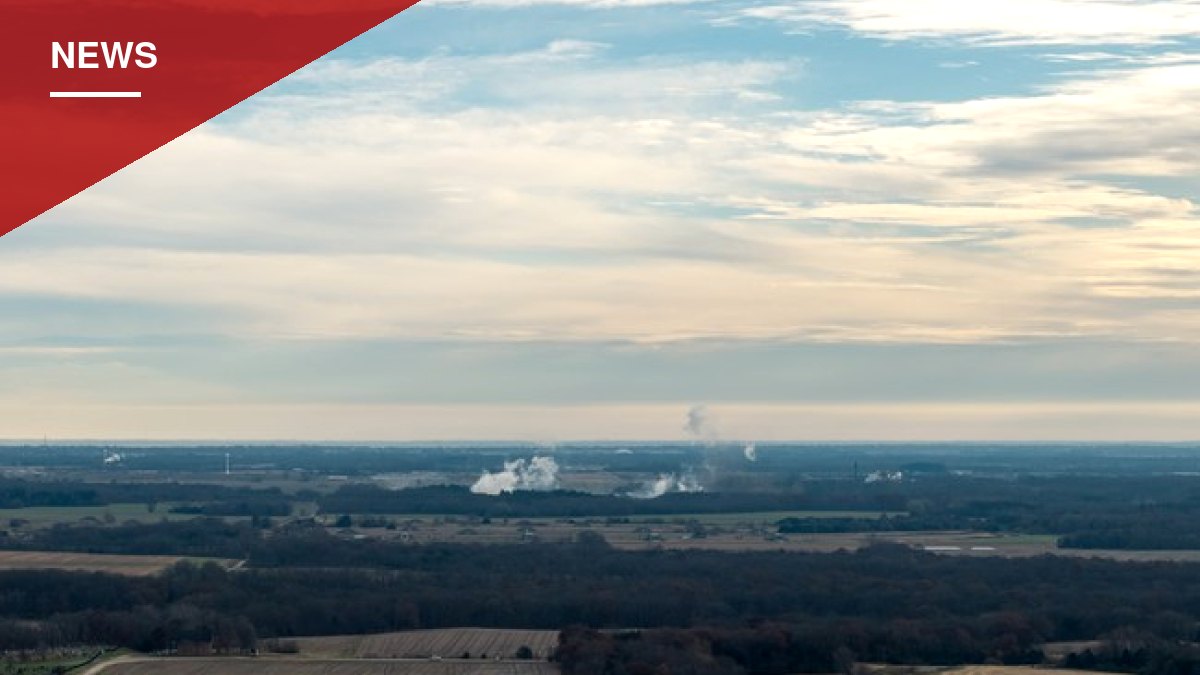

The U.S. Army has detonated an aging stockpile of lead azide at the Iowa Army Ammunition Plant near Middletown, after months of legal disputes and safety warnings about the chemical’s instability.
The detonation involved 68 barrels of lead azide, a compound used in explosives manufacturing that had been stored at the plant since 2009. Officials said the material had been degrading and crystallizing over time, raising the risk that it could detonate on its own without warning.
EPA Administrator Lee Zeldin said the crystallization process created “an increasing risk of a spontaneous detonation that could take place, by the way, on a least optimal day.”
Because an uncontrolled explosion could have scattered toxic lead particles over populated areas near the plant, the Army opted for a controlled detonation instead, carried out after presidential approval and a court process that ultimately left the final call to Iowa’s incoming governor.
Early signs point to successful containment
FEMA Administrator Cameron Hamilton told Fox News there was a “sigh of relief” at the Army’s command center once the detonation was complete, saying early evidence suggests the mitigation measures worked as intended.
“From what we see now, it doesn’t appear that there’s a big lead plume that was in the projection models, because we think the mitigation to tamponade off that explosion were very, very successful,” Hamilton said.
Hamilton said federal agencies will spend the coming days and weeks collecting air and soil samples around the site, while the Department of Agriculture plans to visit nearby farms to assess any potential impact on agricultural land.
Officials say the risk of an unplanned detonation has now been eliminated, though monitoring of the area will continue.






You must be logged in to post a comment Login