

The Treasury Department says an expanded fraud-screening program has stopped roughly $175 million in federal payments from going out to deceased individuals, part of a broader effort to catch improper payments before they leave government accounts rather than trying to recover them afterward.
The department screened more than 1.1 billion federal payments worth about $3.7 trillion and identified approximately 13,500 payments, totaling $175 million, that would have gone to people who had died. The work was done through the Do Not Pay program, which checks payment recipients against government data before money is disbursed.
The initiative stems from an executive order President Donald Trump signed in March 2025 directing agencies to tighten protections against fraud, waste and abuse. Treasury responded by adding nine new data sources to Do Not Pay and building out verification tools used to screen payments.
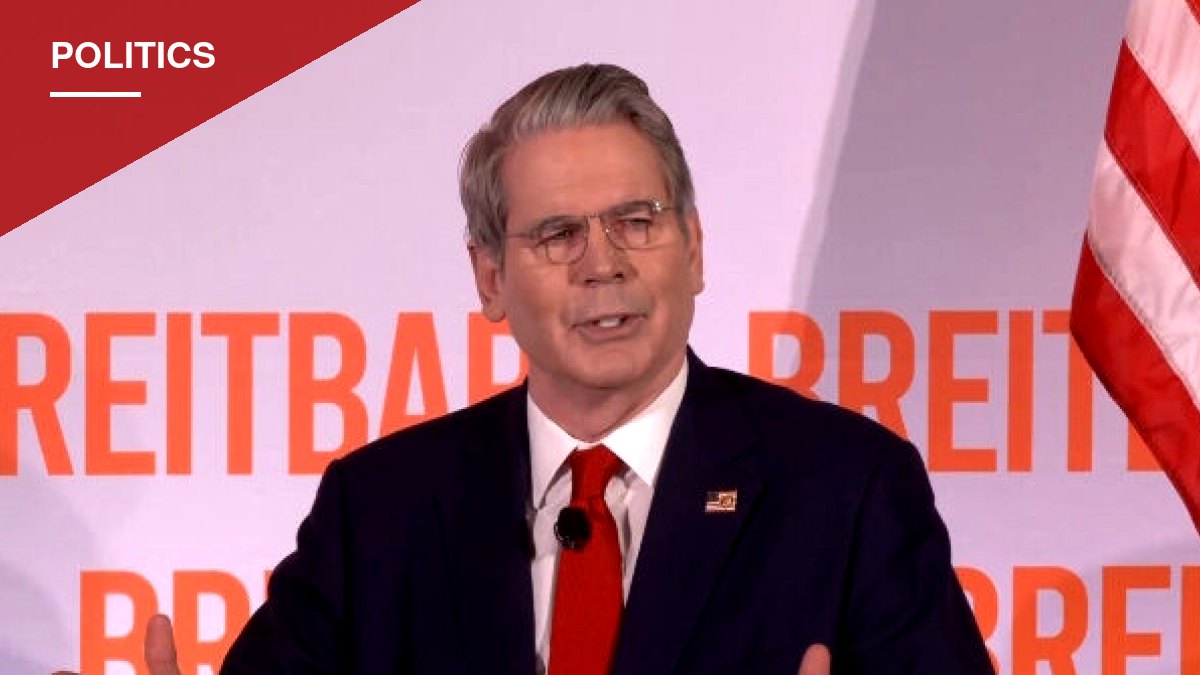
“Treasury continues to transform how the federal government protects taxpayer dollars by using better data, stronger controls, and advanced technology to stop fraud and improper payments before money goes out the door,” Treasury Secretary Scott Bessent said in a statement issued Tuesday, October 6.
Treasury said that over the past year it verified more than $3.7 trillion in federal payments while expanding which programs can tap into Do Not Pay data — from just 4 percent of programs a year ago to about 99 percent now. Officials described the shift as moving away from a “pay and chase” model, in which improper payments are clawed back after the fact, toward catching problems before disbursement.
The data available to agencies through Do Not Pay has grown to roughly 20 times its previous volume, according to Treasury, and most of the remaining programs are expected to finish onboarding during the 2027 fiscal year. The department said access to and use of the data is subject to privacy, security and user-access controls.
New data sources folded into the system include company registration records from OpenCorporates and cross-checks against Social Security data. During fiscal year 2026, Treasury also piloted tools to verify bank account ownership and Taxpayer Identification Numbers tied to federal payments; that work was completed at the end of September, letting the department flag and withhold payments that failed verification before the funds went out.
White House spokesperson Taylor Rogers told Fox News the administration views the results as evidence of a faster, more effective approach to safeguarding taxpayer money. “President Trump continues to deliver for Americans where previous administrations have fallen short,” Rogers said. “This Administration is setting new standards in record time to prevent fraud and improper payments before hard-earned taxpayer dollars leave the Treasury.”





You must be logged in to post a comment Login