
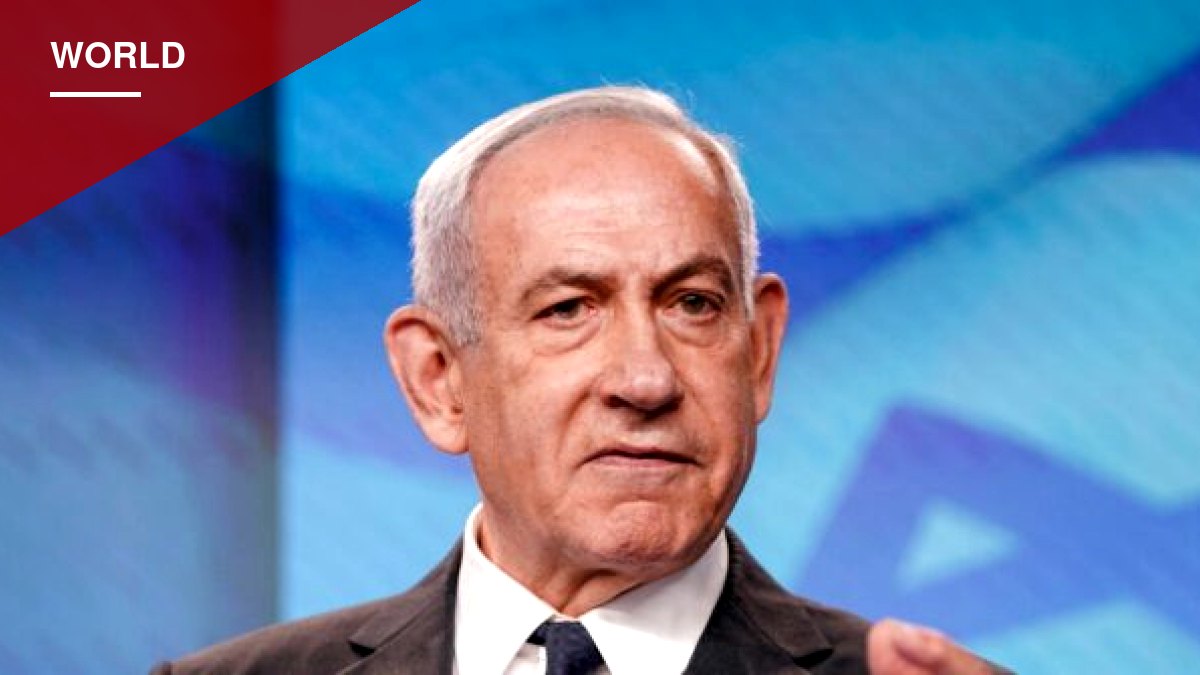

Israeli Prime Minister Benjamin Netanyahu accused political opponents of trying to steal Tuesday’s national election after authorities arrested three people suspected of bribing voters in southern Israel, a case reportedly tied to the Arab Ra’am party. Ra’am has denied any wrongdoing.
“They are trying to steal the election from us,” Netanyahu said, referring to the arrests.
The accusation came amid record voter turnout. By 6 p.m., turnout had reached 66.7 percent, according to Israel’s Central Elections Committee, compared with 57.7 percent at the same hour in the 2022 election. Officials said it was the highest turnout ever recorded at that point in the country’s electoral history.
With polls set to close at 10 p.m. local time, Netanyahu and Finance Minister Bezalel Smotrich coordinated a last-minute push to mobilize right-wing voters. Smotrich’s Religious Zionism party said plans included convening dozens of local officials to drive turnout in the final hours.
National Security Minister Itamar Ben Gvir went door to door in the city of Bat Yam to urge residents to vote, while the Likud party said hundreds of volunteers were canvassing homes in Lod. Foreign Minister Gideon Sa’ar framed the stakes starkly, saying “this day will determine the existence of the Jewish state.”
The scramble followed reports of strong turnout in Arab communities and left-wing strongholds, which stoked concern within Netanyahu’s coalition over its ability to turn out supporters and over whether some smaller right-wing parties would clear Israel’s 3.25 percent electoral threshold needed to enter the Knesset.
Likud and several allied parties separately petitioned the Central Elections Committee to extend voting past the scheduled 10 p.m. close. The Yashar party, led by opposition figure Gadi Eisenkot, opposed the request, accusing Netanyahu of setting up grounds to dispute the election’s legitimacy. Election officials had already said that any voter in line when polls closed would still be allowed to cast a ballot.
The election is tightly contested. Final pre-election polls showed neither Netanyahu’s right-wing bloc nor the opposition with a clear path to a majority in Israel’s 120-seat Knesset, meaning the outcome may ultimately depend on which smaller parties manage to cross the electoral threshold. Television exit polls were expected shortly after voting concluded.




You must be logged in to post a comment Login