

Australia’s communications minister is pushing a global push to make tech platforms legally responsible for online harms, using a proposed Digital Duty of Care as the model and courting allies across Asia, Europe and North America. The plan would force platforms, apps and AI chatbots to police content and user interactions, with hefty fines for failures and broad powers for regulators and researchers. Critics warn the bill trades free expression for centralized control and could encourage platforms to over-censor to avoid penalties.
Anika Wells has been meeting counterparts in Malaysia, the Philippines, New Zealand, Canada and Sweden as she builds what she calls an international front to reshape platform rules. She argues these companies are “the most resourced, powerful companies in the world” and that “it’s going to take a coalition of lawmakers working together across the globe to take them on.” The message is simple: national rules won’t be enough unless governments coordinate to force change.
Wells frames the effort as both a legal fight and a communications campaign, saying it’s about safety standards for digital services in the same way we regulate food, cars and toys. She told audiences the work is “fighting a communications war as well as an enforcement battle,” emphasizing the need for sustained pressure on tech giants. That rhetoric appeals to people worried about harm online, but it also signals a long-term regulatory push rather than a targeted fix.
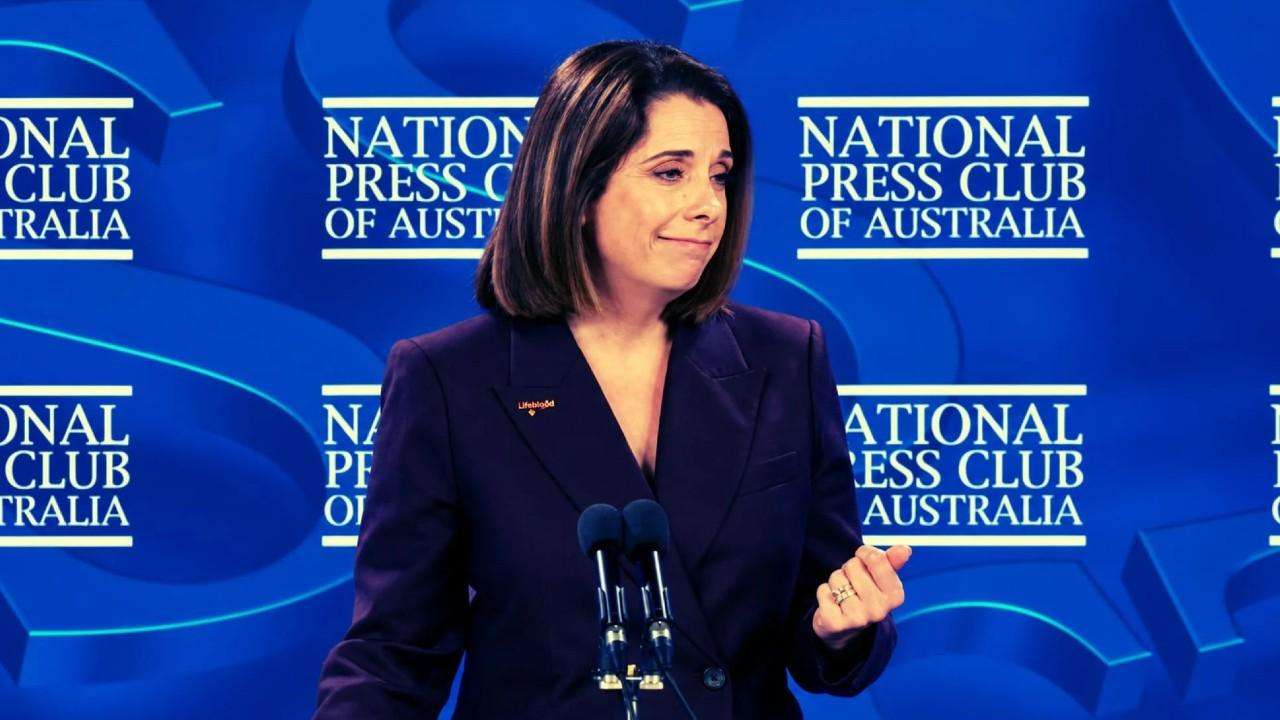
At the National Press Club Wells insisted “we are not controlling free speech” and “we are not conducting covert surveillance,” presenting the bill as a way to hold platforms accountable for what they build and operate. She added, “This is not about what people say on the internet. It’s about what platforms do on the internet,” and “if you build it, you are responsible for its risks.” Those lines are meant to reassure, yet they leave big questions about where responsibility ends and censorship begins.
The legislation sets out strict duties for social media, games, apps, search engines and AI chatbots to mitigate risks of harm, with fines that could reach A$109.2 million. Costs for compliance are explicitly not to be considered, raising the prospect of heavy burdens on platforms and possibly new barriers for smaller services. Notably, the draft never mentions freedom of expression or free speech, which troubles civil liberties advocates and political opponents alike.
Protections for children are broad and operationally invasive: “harm to children” covers material or conduct that may cause serious harm, and platforms would be required to verify ages to block under-16s from feeds, likes and disappearing posts. Regulators and approved researchers would be permitted to use “sock puppet” fake accounts to test and enforce rules. That kind of enforcement plan increases government reach into private platforms and user data, and it raises practical questions about effectiveness and circumvention.
The U.S. warned the policy could backfire, cautioning that empowering governments to enforce vague definitions of “harm” risks becoming a mechanism for viewpoint-based censorship. Regulators say platforms will likely over-moderate protected speech to avoid fines, which means users worldwide could see their expression chilled even when it’s lawful. Those international spillover effects are a real concern when a coalition of governments seeks uniform standards for global tech services.
Domestically the bill faces political resistance, with opposition figures promising a fight and some party leaders arguing politicians should not decide what lawful speech is harmful. The government is also preparing legal action against major platforms over enforcement of an under-16 ban that many teens still bypass. That mix of litigation and legislation shows Canberra intends to both punish and compel platforms, making the tech ecosystem the next major arena for regulatory power plays.




You must be logged in to post a comment Login