

I will trace how school protests in France shifted from complaints about facilities into street violence, show where antisemitic chants and migrant tensions surfaced, attribute responsibility to radical left and banlieue networks, and highlight the political calculation behind the unrest. The piece focuses on the Carpentras episode, national spread of lycées blockades, and the role of La France Insoumise and allied groups. Expect a direct look at the security failures and the political theater shaping the chaos.
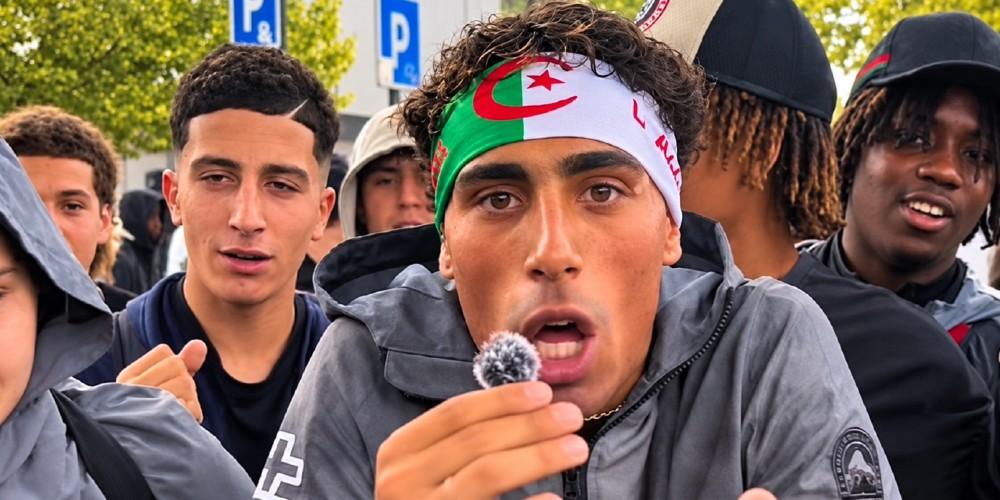
In Carpentras on October 1, what began as a complaint about missing teachers turned into a dark spectacle outside Lycée Victor Hugo. Protesters waved a Palestinian flag and chanted “On a brûlé Israël” and “C’est qui les Juifs ? On les piétine.” The words were not about class size; they were a clear act of hate performed in public.
Translation: We burned Israel. Who are the Jews? We trample them.
This was not an isolated outburst. Across the country blockades that began in late September swelled until hundreds of lycées were forced to shut their doors. Authorities reported roughly 400 high schools closed and some 2,000 arrests, most involving teenagers caught in a movement that quickly turned violent.
Staff suffered real injuries and fear. Sixty-five school employees were hurt, including 40 principals, and at least one head teacher in Marseille was doused with gasoline. Schools saw halls gutted, fireworks thrown at police, burning rubbish bins, and even corrosive attacks on officers using hydrochloric acid.
Carpentras stripped away the pretense. The town hosts one of Europe’s oldest synagogues still in use, and the chants arrived just days before a grim anniversary on the calendar. The mayor referred the scene to prosecutors and said the lycée movement was being hijacked by an antisemitic far left aiming for chaos, not school fixes.
Observers on the ground recorded other slogans aimed at the National Rally, signaling that the disorder had a political script. Pupils who actually came to complain about basic issues said they watched as outsiders mixed everything together. Those students noticed what Paris seemed determined to ignore.
French intelligence raised the alarm that this was not a grassroots complaint festering in isolation. Officials said politicians and activists tied to La France Insoumise had helped initiate demonstrations, and education leaders pointed out that many people in front of the gates were not regular students. The pattern looked organized, not spontaneous.
A government assessment flagged Palestinian and Algerian flags, outsiders inserting themselves, and tactics straight from the radical left’s playbook, all suggesting an effort to kindle flames ahead of the 2027 election. Jean-Luc Mélenchon spent a day insisting the pupils were harmless, accusing the prime minister of a racially tinged crackdown, and urging his supporters to place themselves between teenagers and police.
At Lycée Paul Éluard in Saint-Denis an LFI mayor publicly suggested that violence could sometimes be a legitimate reaction. Paris’s police prefect opened a file for provocation after that appearance and the official refused to retract the remarks. Marine Le Pen called the unrest the work of professionals, claiming oversight by LFI deputies.
The banlieue dynamic amplified everything. Seine-Saint-Denis, with its dense immigrant population and neglected housing projects, has been a source of unrest for years. The same neighborhoods that burned after the Nahel Merzouk case in 2023 saw another week of fires, and this time the grievance arrived already translated into anti-Israel and antisemitic slogans.
Gaza flags on school gates and mobs naming Jews for trampling in towns that remember desecrated cemeteries added a brutal new layer. A large share of the pupils come from migrant backgrounds, and anti-Israel chants have been filmed at multiple blockades. The hard left did not create that hatred, but it recruited it, recorded it, and posed beside it like a political trophy.
At the center of the street fusion sits a grim question from Amos: “Can two walk together, except they be agreed?” The reds seem intent on breaking the republic well before next year’s elections so a radical candidate can reach a runoff, while the greens and the angry cohorts want to name enemies and indict the West. A leaking school roof gave them a common excuse; the flames showed the real agreement.




You must be logged in to post a comment Login