
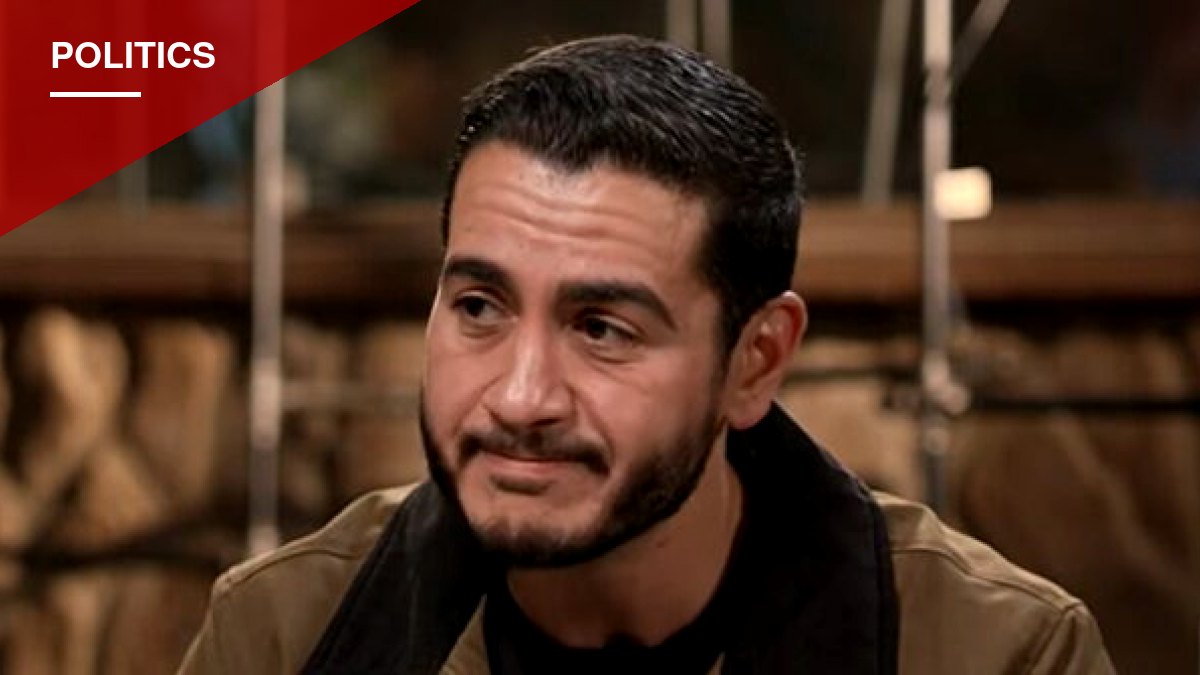

Michigan Democratic U.S. Senate nominee Abdul El-Sayed declined to give a simple yes-or-no answer when asked directly whether he condemns Iran’s current government, calling the framing of the question itself “kind of an odd approach” during an ABC News interview released Monday.
Host Linsey Davis pressed El-Sayed repeatedly on the point. “For those who do want to hear, do you condemn the current Iranian regime? What do you say?” she asked.
El-Sayed responded by acknowledging Iran’s record while pivoting to broader foreign policy arguments. “They’ve engaged in horrific acts. There’s no question about that. I am for democracy. I’m for human rights,” he said. “But the big picture question is not — like, for us is, what’s in our best interest?”
He pointed back to the Obama-era nuclear agreement with Iran, the Joint Comprehensive Plan of Action, arguing it had kept Iran’s nuclear program contained before the Trump administration withdrew from it. “We should not have torn up the JCPOA. We were in a position for nuclear containment, and we were in a position of peace,” El-Sayed said. “We should not have gone to war in the first place. We didn’t have clear war aims.”
When Davis followed up again, asking for a yes-or-no answer, El-Sayed again declined to give one directly. “I condemn a lot of their action. But if you want a pathway to peace with folks, you’re going to have to figure out how to get to a position of peace,” he said. He added that he also condemns “the Saudi human rights abuses,” noting that reporters don’t typically press him on that question.
“I just think this idea of like, condemn or not condemn, right? Is kind of an odd approach. I condemned the genocide that Israel has done. I condemned the apartheid, too. I condemned the attack on democracy that Iran has done. But we engage with actors in a world where you kind of have to figure out how to make peace with people you disagree with.”
El-Sayed said he wants the United States to pursue peace with Iran “like President Obama did,” while also rethinking relationships with other governments he accused of rights abuses, including Saudi Arabia and the United Arab Emirates, which he said is “doing genocide in Sudan.”
“Can we actually, objectively ask what our values are? We want to promote democracy all over the world,” he said, arguing that the question of condemning or not condemning Iran’s government is “secondary” to the question of how the U.S. gets to a “pathway to peace.”




You must be logged in to post a comment Login