
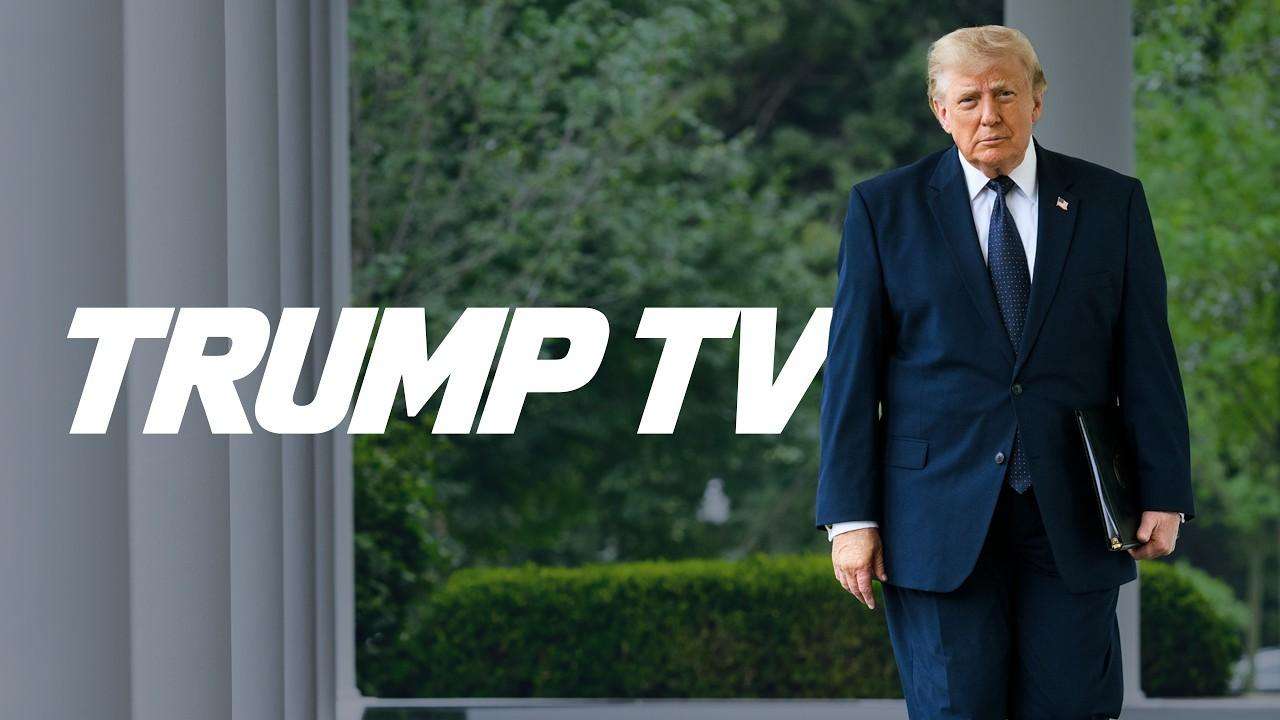

President Trump’s White House kicked off a tense Monday by barring CNN, MSNBC, and Politico from certain briefings, threatening lawsuits, and facing a press pool boycott, while launching its own YouTube channel and even making a point visit to Zohran Mamdani; the move looks like a blunt pushback against legacy media and a statement about who sets the narrative going forward.
The drama began early when the administration announced restrictions on several outlets, framing the action as a response to persistent bias. The move sent a clear signal that this White House will not quietly accept what it sees as unfair treatment from established news organizations. Supporters see it as a long overdue rebalancing of a media ecosystem that they believe has been hostile and one-sided for years.
President Trump then met with Zohran Mamdani and addressed the situation directly, underscoring the administration’s willingness to engage on its own terms. The visit was short and focused, intended to show that the White House can pick its audience and its venues. That kind of direct engagement is central to the strategy of bypassing the old gatekeepers.
Notable in this moment is the irony of former President Obama’s rhetorical question about what would have happened if he had censored Fox News, because history shows his team did censor and sideline Fox at times. Pointing fingers at Trump while ignoring past actions doesn’t land cleanly, especially when Republican voters remember those examples. The contrast serves as a reminder that media favoritism has happened across administrations, and accountability should run both ways.
This is not just about blocking a few reporters; it’s about control of the message and the rules of engagement. The White House argues that when outlets behave more like opposition players than impartial reporters, the administration has a right to protect its own communications. From a Republican perspective, pushing back against entrenched media bias is not censorship but defense of fair play in political discourse.
The launch of Trump TV on YouTube adds a new layer to the fight, showing a willingness to meet the public where they are instead of relying on legacy press to relay messages. Streaming and social platforms let officials speak directly to audiences without editorial filters, and that challenges the business model and influence of traditional outlets. For supporters, this is refreshing transparency; for critics, it’s another echo chamber. Either way, it shifts power from a handful of gatekeepers to a broader media landscape.
Legal threats and a press pool boycott ratcheted up the tension and made the confrontation unmistakable. Lawsuits get headlines and force legal clarifications about access and free speech, while boycotts highlight a breakdown in normal White House-press relations. Republicans see these tactics as necessary leverage when the ground rules have been broken by biased reporting, not as hostile acts against the institution of the press itself.
Behind all of this is a changing media reality: legacy outlets no longer hold a monopoly on who gets to shape the story. Audiences increasingly trust alternative platforms and direct channels, and political figures who adapt to that shift gain advantages. The White House’s moves reflect an understanding that controlling the narrative now means using every tool available, from courtroom defenses to viral streaming.
The immediate fallout will be messy, with critics crying foul and supporters cheering the confrontation, but the longer term effect is clear: the relationship between government and media is being rewritten. Republicans view this as reclaiming fairness and insisting on balanced coverage rather than accepting chronic hostility. The message is simple—if the rules are rigged, you change the game instead of pretending everything is normal.
Donation: Buy author a coffee. Supporters who want to chip in can help sustain independent coverage and commentary without relying on the old media gatekeepers.





You must be logged in to post a comment Login