
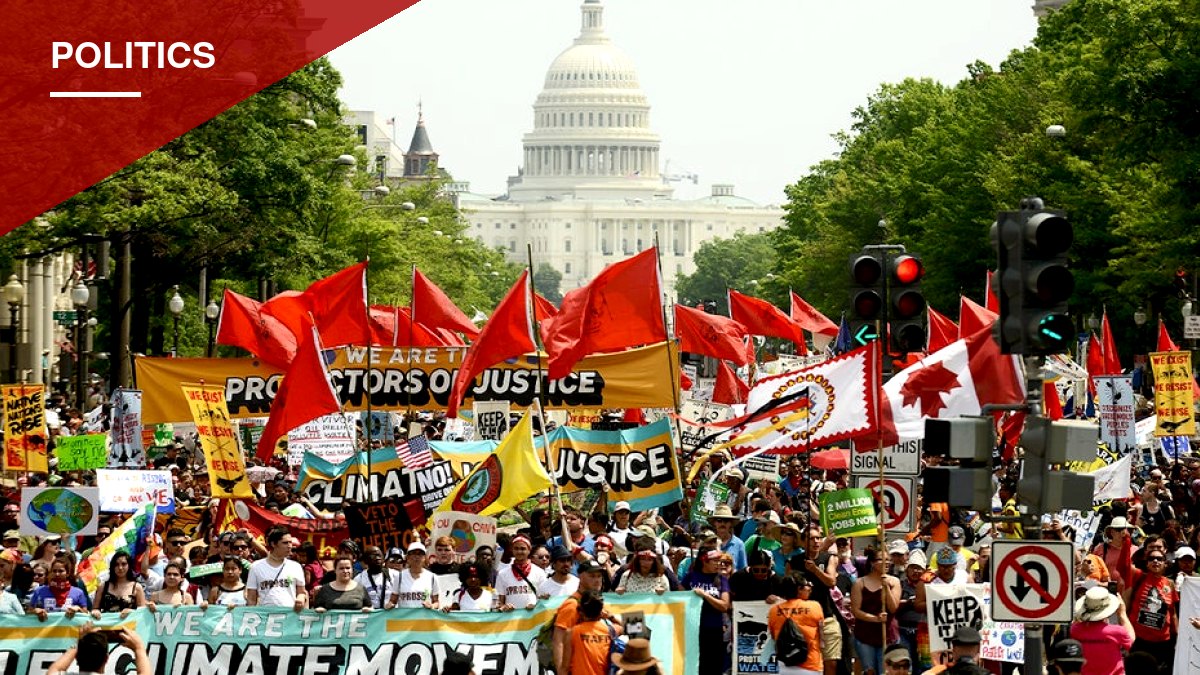

The U.S. Supreme Court opens its new term on Oct. 5 with a case that could determine whether states and cities can sue energy companies over climate change, or whether that authority belongs solely to the federal government.
The case, Suncor v. Boulder, stems from a lawsuit filed by Boulder, Colorado, against energy companies, alleging that oil producers concealed the effects of their products on climate change. Boulder is not alone: Honolulu and Baltimore have filed similar suits, part of a broader wave of litigation by states and municipalities against energy companies over lawful carbon emissions.
In a Fox News opinion piece, legal scholar John Yoo argues the Supreme Court should use the case to settle the question decisively in favor of federal authority, warning that allowing such lawsuits to proceed in state courts could impose what he calls ruinous liability on energy companies and inflict broader economic and national security costs.
The Legal Argument
Yoo’s central argument rests on the nature of greenhouse gases themselves: because emissions do not stay within state or national borders, he contends they cannot be regulated through a patchwork of state court rulings. He points to Supreme Court precedent holding that interstate pollution disputes were once governed by federal common law before Congress passed legislation on the subject, on the reasoning that such issues are national in scope and require one uniform rule rather than 50 different ones.
Yoo also cites global emissions data to argue that state court judgments against U.S. energy producers are disproportionate to the problem they aim to address. He notes that close to 90% of global carbon emissions originate outside the United States, with China alone accounting for close to a third of the global total. A judgment against U.S. producers, he argues, would effectively tax American energy companies for the world’s emissions without any comparable obligation on international competitors.
National Security and Congressional Authority
Yoo further argues that energy policy is inseparable from foreign policy and national security, pointing to the United States’ history of negotiating over carbon emissions through international climate agreements and diplomacy. He contends that state court rulings penalizing global emissions could affect the federal government’s bargaining position in those negotiations, even without an existing treaty directly addressing the issue.
He also notes that the energy companies named as defendants in the Boulder case already operate under federal regulation, including the Clean Air Act, which Yoo says established the Environmental Protection Agency as the body responsible for regulating emissions nationally, leaving states a narrow, defined role rather than open authority to litigate emissions liability in state court.
Yoo argues that if the Supreme Court does not rule to block Boulder’s case and similar suits, other states and municipalities backed by climate activists will continue pursuing comparable legal theories against energy companies, which he warns could impose significant financial costs on the industry and the broader economy.
The Supreme Court is expected to hear the case as part of its term beginning Oct. 5.




You must be logged in to post a comment Login