
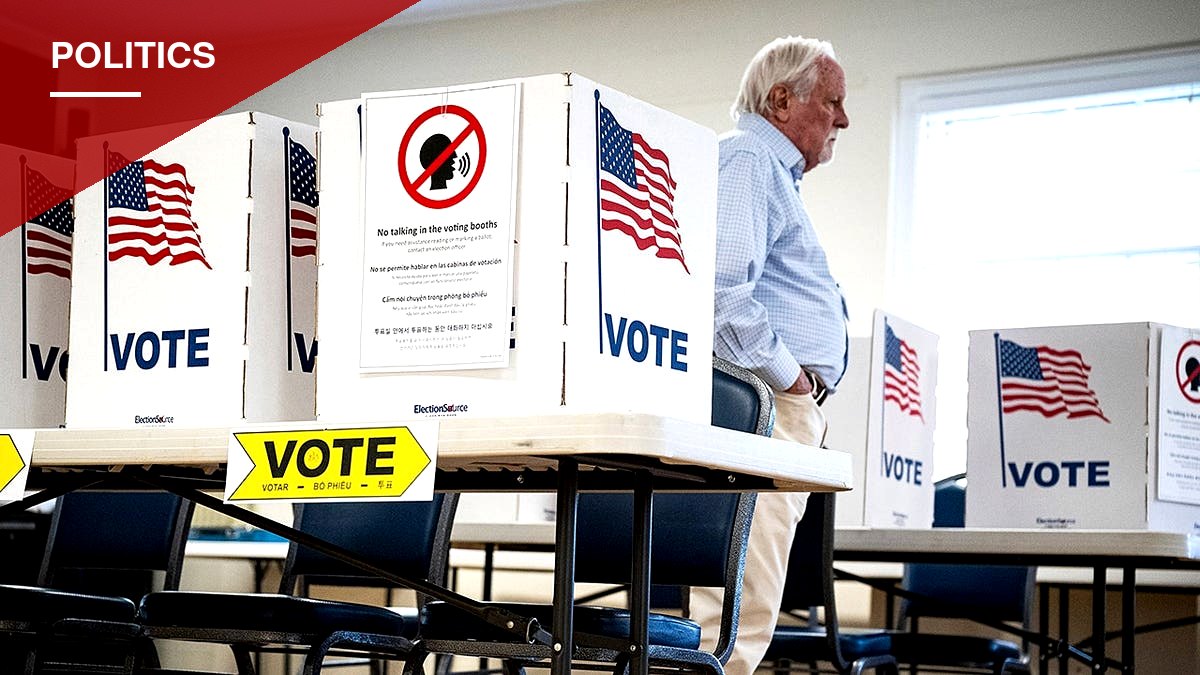

Summer polling in three key states significantly missed the mark in recent primary elections, a trend that political analysts say signals a volatile electorate heading into the 2026 midterms as Republicans open a national convention in Dallas this week.
In Michigan’s Democratic Senate primary, Abdul El-Sayed had appeared headed toward a comfortable victory but ultimately won by about a point. In Wisconsin, polling showed Francesca Hong leading David Crowley by roughly 20 points in two separate surveys, yet Crowley won the race. And in Minnesota, a public poll had Angie Craig ahead of Peggy Flanagan by two points, but Flanagan won by nearly 20.
Political commentator Lee Carter, writing in a Fox News opinion column, argued the results don’t mean the polls themselves were flawed but that voters were still making up their minds well into the summer. She wrote that Labor Day marks the unofficial start of the campaign season for most Americans, who aren’t tracking daily political news, viral clips or the generic congressional ballot.
Republicans Convene in Dallas
This week, the Republican Party is holding a national convention built around a midterm election for the first time. The event in Dallas gives the GOP a national stage roughly 100 days before voters go to the polls.
According to Carter’s analysis, Republicans face little trouble with name recognition or enthusiasm among their base but instead confront what she described as an affordability problem, pointing to voter concerns over grocery prices, insurance premiums and electricity bills.
Democrats Counter With Grocery Drive
Texas Democrat James Talarico is countering the Republican convention with a statewide food drive focused on grocery prices, an effort aimed at drawing contrast on affordability issues while the GOP convention draws attention in Dallas.
Carter’s column framed the coming months as a test of which party can move persuadable voters rather than simply energize supporters already in their camp, citing the primary polling misses in Michigan, Wisconsin and Minnesota as evidence that late-deciding voters could again reshape outcomes in November.




You must be logged in to post a comment Login