
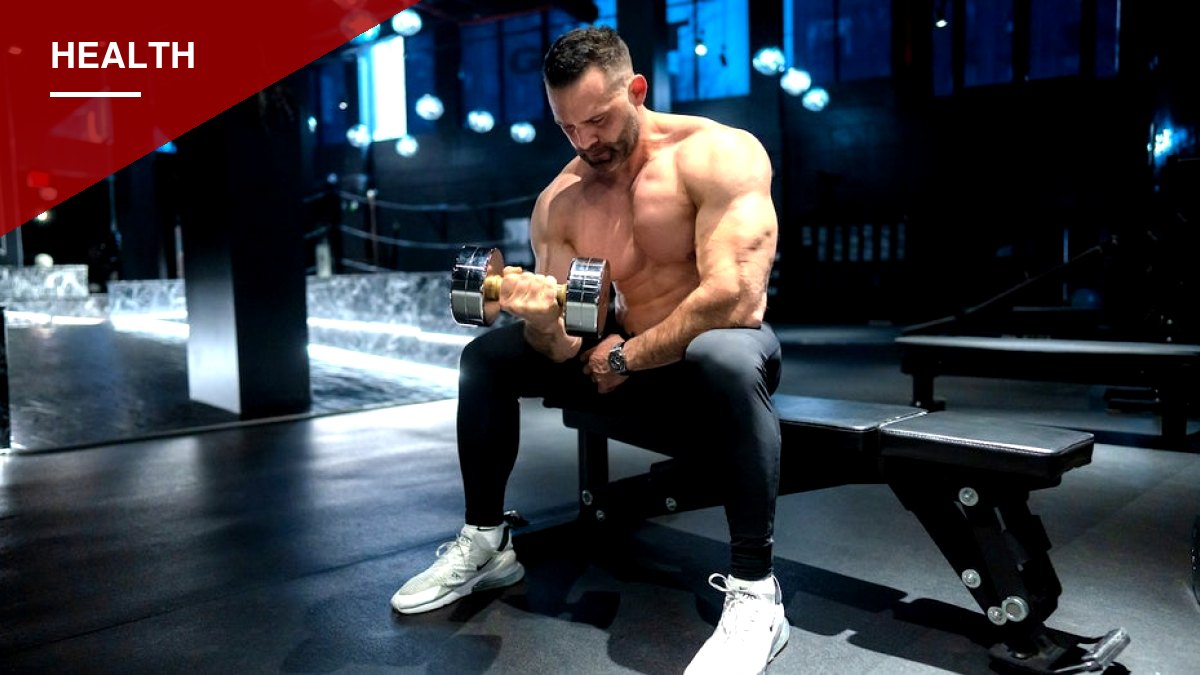

A New York-based fitness coach says the real work of staying strong after age 35 happens once the workout ends, not during it. Jacob Zemer, whose clients typically range from 35 to 55 years old, told Fox News Digital that most of the people he trains aren’t chasing bodybuilding physiques — they’re trying to age well, and that means paying close attention to recovery.
As people get older, muscles become less responsive to protein and other signals the body uses to repair and build tissue. That makes what happens after exercise just as important as the exercise itself, according to Zemer. He outlined six habits he recommends to clients focused on long-term strength and mobility.
Sleep
“Getting seven to nine hours of quality sleep is vital,” Zemer said, describing it as a foundation for muscle repair and recovery.
Regular checkups and lab work
Zemer encourages clients to stay current on medical checkups and lab testing to catch issues that could interfere with recovery. “Make sure you’re keeping up with what’s going on with your hormones,” he said. “Make sure everything in your body is functioning properly, because as we age, our bodies change.” Health experts note that preventive testing should be tailored to a person’s age, gender, symptoms and medical history. The U.S. Preventive Services Task Force recommends screening for conditions such as high blood pressure, prediabetes and type 2 diabetes, and osteoporosis.
Heat exposure
Warmth widens blood vessels, which can boost circulation to fatigued muscles and help deliver nutrients that aid repair. A 2025 review of 22 studies found that nearly half of participants reported better muscle-function recovery with heat therapy. “If you don’t have access to a sauna, taking a hot shower after your workout releases heat proteins that may help with recovery — and actually it helps improve what we call ‘gains’ from the gym,” Zemer said.
Stretching
“After you get done working out, your muscles are shortened,” Zemer said. “And so you want to re-lengthen them by stretching.” Because strength training puts real wear and tear on the body, he said moving through a full range of motion and stretching afterward helps preserve mobility.
Protein and hydration
Zemer stressed getting enough protein after a workout to support muscle repair. The International Society of Sports Nutrition recommends about 20 to 40 grams of high-quality protein after training, with active adults generally aiming for roughly 1.4 to 2 grams of protein per kilogram of body weight per day — though needs vary, particularly for people with certain medical conditions. Hydration matters too, and Zemer said it should start before the workout begins. “If you don’t drink enough water, you’re really setting yourself up for failure when you’re in the session, which is going to cause you to have lackluster results,” he said.
Rest afterward
“You just did something that, even if it’s healthy and has a positive impact on your body, still stresses your body,” Zemer said. “Your cortisol’s high. So getting a good meal and a little bit of rest before you move on with your day” helps the body recover. A 2026 review described exercise as a cycle of “stress response, adaptation and recovery,” noting that the benefits of a workout depend on adequate recovery time, sleep and energy availability.
How much soreness is too much
Zemer said some soreness after exercise is normal, but there’s a line between good and bad soreness. “The soreness should be only for a short period of time, like maybe a day or so after you’re done training,” he said. “If it takes you a full week to recover, you simply trained too hard.”
He said the body adapts gradually to new routines, so people should ease in rather than pushing too hard too fast. “If you have extended amounts of soreness that exceed two or three days, you did too much,” he said. “If your knees and joints ache, you did too much.”
That doesn’t mean quitting. “It just means maybe drop back what you did by 30% and start from there,” Zemer advised. “For example, if you did six sets of legs, try instead to do four sets of legs the next time you train. That’s going to make it far more effective for your recovery.”
He also warned that exercise-induced endorphins can mask pain in the moment, meaning discomfort that seems tolerable during a workout can feel much worse afterward. “If something hurts in the gym when you have your endorphins going strong, it’s going to hurt really bad later — and that’s the last thing you want, because if you’re hurt, you’re not going to be able to train consistently.”






You must be logged in to post a comment Login