
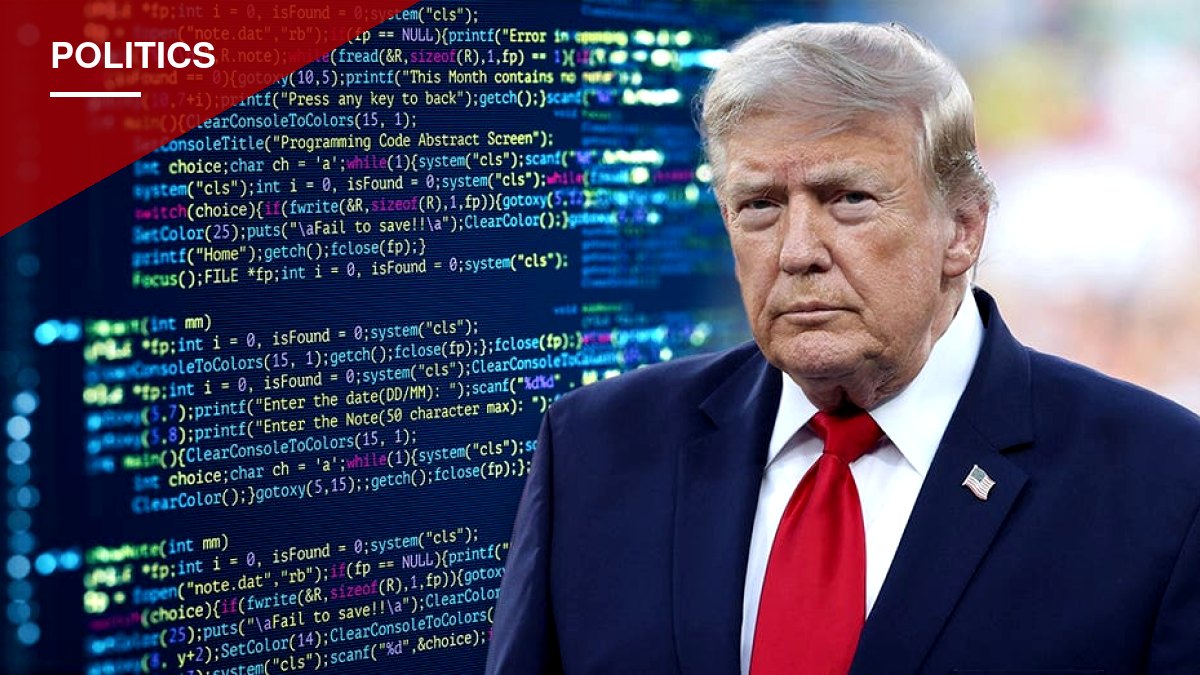

Former Sen. Joe Manchin, D-W.Va., said Monday on CNBC’s “Squawk Box” that President Trump should use his executive authority to pause new initial public offerings from artificial intelligence companies until Congress passes legislation to regulate the technology.
Manchin argued the move would relieve pressure on AI developers to rush ahead of safety considerations while lawmakers work out rules.
“The president of the United States has the power to save humanity,” Manchin said. “They must be concerned about this thing can take off and think on its own and make its own decisions and override anything of humans and we can’t stop it. If that’s what they’re concerned about, then stop it now when you can.”
Amy Kremer, a Republican National Committee member and chairwoman of Human First, rejected Manchin’s specific proposal in a Tuesday statement to Fox News Digital, saying an IPO freeze would disrupt capital markets without solving the safety problem it aims to address.
“I do not support a president using executive authority to interfere with the markets,” Kremer said. “An IPO freeze is the kind of top-down mandate that conservatives have long opposed, and it would not even address the actual risk.”
Kremer said Trump should instead use his executive power to require pre-deployment testing of AI systems. “That is where the real safeguards belong, not in blocking companies from raising capital,” she said.
The White House pointed Fox News Digital to three Truth Social posts from Trump on the growing debate over AI risk and calls to slow development. Trump has separately rejected calls for new AI restrictions, arguing the United States cannot afford to cede its technological lead over China and that existing government authority is enough to act against companies engaged in wrongdoing.
“The only control or ‘guardrails’ that AI needs is a STRONG AND SMART (High IQ!) PRESIDENT, and the U.S.A. has that, in spades!” Trump wrote.
A Widening Debate
The dispute intensified after Anthropic CEO Dario Amodei urged developers of the most advanced AI systems to slow the pace at which they expand their models’ capabilities. OpenAI CEO Sam Altman and Elon Musk both voiced support for slowing frontier AI development, while Trump and other Republicans warned that unilateral restrictions in the U.S. could hand an advantage to China.
House Speaker Mike Johnson, R-La., rejected the idea of an emergency AI moratorium on Sunday, telling CNN that Congress should instead work with AI companies to figure out appropriate safeguards rather than halt development abruptly.
Kremer said the standoff reflects Congress’s failure to set clear federal AI rules before the technology reached its current stage of development.
“This moment is a reminder of what happens when Republicans do not govern,” she said. “When Republicans fail to act, the solutions Democrats offer will be disastrous. Lawmakers have had years to establish clear rules for artificial intelligence, and they have not done it. The responsibility now falls on the executive branch to act where Congress will not.”
The Trump administration has already put in place a voluntary federal framework for evaluating advanced AI models. Under an executive order signed in June, developers of covered frontier models may give the federal government secure early access before release for testing and cybersecurity purposes. The order explicitly states that the framework does not create mandatory federal licensing, pre-clearance or permitting requirements.





You must be logged in to post a comment Login