

The Justice Department has told states they could lose access to billions of dollars in federal welfare funding if they fail to report people known to be in the country illegally to federal immigration authorities.
The warning came in a legal opinion released Wednesday by the DOJ’s Office of Legal Counsel, which found that any state agency participating in two major welfare programs must now require all of its agencies — not just the ones directly administering the funds — to report individuals known to be unlawfully present in the country to the Department of Homeland Security.
The opinion overturns a 1998 interpretation from the same office, which had confined the reporting requirement to the specific state agencies that ran the welfare programs. Under that older reading, agencies such as departments of motor vehicles or public colleges, which might also encounter people who are in the country illegally, were not required to report them.
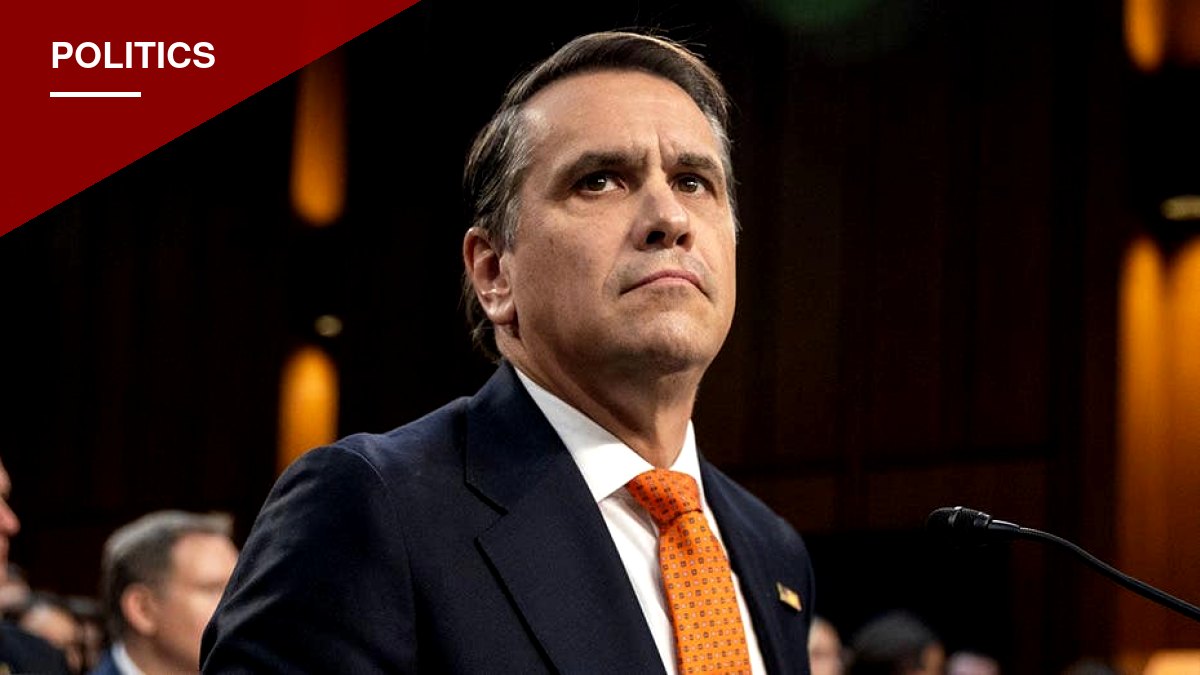
Deputy Assistant Attorney General Joshua Craddock said in a statement that “failure to comply may lead to serious consequences, including loss of program funding.”
The move is the latest step in the Trump administration’s broader push to enforce immigration law more aggressively, an effort that has included sending federal agents into cities to carry out raids in migrant communities and leaning more heavily on state and local police, as well as outside companies, to identify people suspected of being in the country illegally.
The administration has also repeatedly used the threat of pulling federal funding as leverage against Democratic-led states that have resisted cooperating with federal immigration enforcement.
Programs and Funding at Stake
All 50 states and Washington, D.C. take part in the reporting requirements tied to the two programs affected: Temporary Assistance for Needy Families and Supplemental Security Income. Federal Temporary Assistance for Needy Families grants total more than $16.5 billion a year, while federal Supplemental Security Income benefits exceed $60 billion annually. People who are in the country illegally are not eligible for either program.
Legal Fights Likely
The policy change is expected to draw legal challenges. Democratic-led states have already filed suit to stop the Department of Homeland Security from collecting personal information on recipients of Temporary Assistance for Needy Families.
Courts have previously blocked some administration efforts to force the sharing of information about immigrants with DHS, though judges have in certain instances allowed federal immigration authorities to obtain specific data, including Medicaid records.






You must be logged in to post a comment Login