
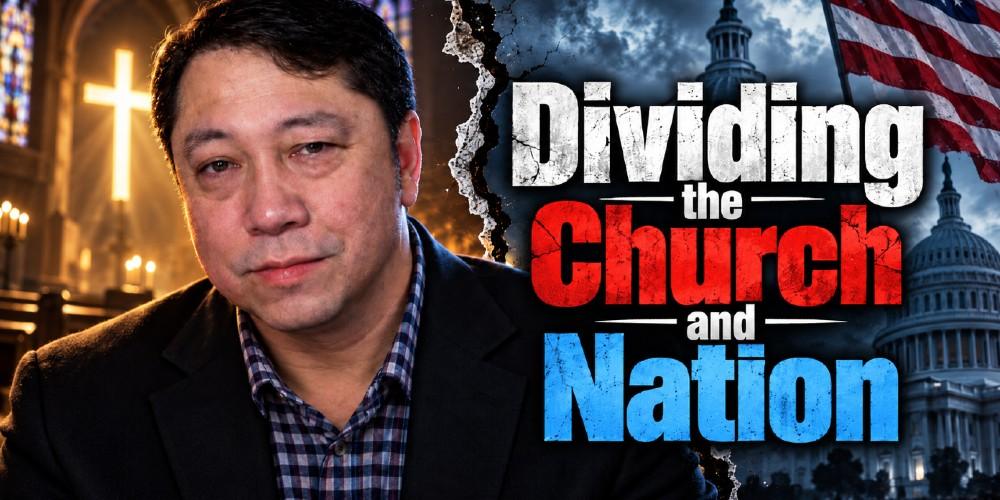

America is a Christian nation, and this piece argues that faith has shaped our laws, habits, and public life from the beginning. It warns that pressure both from external secular forces and internal fractures within the church threaten that legacy. The argument comes through with a clear conservative voice and a call for clarity and unity among believers.
America is a Christian nation, the piece opens bluntly, and that claim drives everything that follows. The idea is not that government should become a church, but that our public culture and civic habits were built on Christian principles. That foundation, the writing insists, gives Americans a shared moral language that keeps communities stable and free.
Opponents are portrayed as powerful and organized, pushing a secular agenda that seeks to displace religious influence. The article stresses that these forces are not new, but their reach and intensity have escalated in recent years. Conservatives see this as an existential challenge to civic order and to the rights of religious people to live and worship openly.
Yet the threat is not only outside the gates; it comes from inside the church as well. Internal divisions over theology, politics, and culture are fragmenting congregations and diluting their public witness. The piece argues that when believers fight among themselves, it hands cultural momentum to those who want to erase faith from public life.
Those internal battles show up in doctrinal disputes that quickly bleed into political and cultural fights. What used to be private theological disagreements now determine who sits in the pulpit and who gets a platform online. That dynamic makes churches look less like communities pursuing truth and more like political factions jockeying for influence.
The author points to media and cultural institutions that amplify discord, turning local arguments into national headlines. In that environment, nuance gets chewed up and thrown away, and the loudest voices set the agenda. The result is a public conversation that rewards spectacle and punishes careful conviction.
The piece calls for a renewed focus on what unites rather than what divides within the church, urging believers to reclaim a clear, public stance on core moral matters. It argues for a church that can speak plainly about truth while avoiding the traps of partisan theatrics. That balance, the writing suggests, will strengthen Christians’ ability to shape public life without inviting accusations of theocracy.
Finally, the article connects these themes to “The JD Rucker Show,” framing the program as a forum for confronting these challenges head-on. It positions the show as a place where conservative Christians can sort through doctrine, cultural pressure, and political strategy without losing their identity. The tone is assertive: defend the Christian heritage of America, fix what’s broken inside the church, and push back against forces that would erase the faith from public life.




You must be logged in to post a comment Login