

On the 25th anniversary of the attack that killed nearly 3,000 Americans, the debate over who belongs in the U.S. Senate turned into a test of patriotism and judgment. This piece examines how remarks about 9/11 by Michigan Democrat Abdul El-Sayed, and a high-profile conservative’s defense of him, have reshaped the race. It follows the comments, the response from a leading Republican, and the broader pattern of alliances and messaging around national security and remembrance.
Abdul El-Sayed’s past words about 9/11 demand scrutiny because they redefine who, in his view, should occupy the center of our national memory. On the Sept. 7, 2021 episode of his podcast America Dissected, El-Sayed said this: “9/11 scarred our country in profound ways, but what we did after 9/11 scarred millions of other people. When we talk about 9/11, we often fail to center them.” That line treats American loss as secondary and shifts moral weight in a way many voters will find unacceptable.
Four days later he posted a tweet he later deleted that began by mourning the victims in New York and then pivoted: “Tomorrow, I’ll mourn ~1M lives, millions of injuries, & infrastructural devastation in 3 countries, perpetrated ignorantly in the name of my country.” The math and the framing put U.S. actions and their consequences on the same moral plane as the murderous attacks that began 9/11. For those who lost spouses, parents, and friends in the towers, that is not a subtle distinction. It is a rebuke to American sacrifice on the anniversary of a national wound.
Mike Rogers, the Republican candidate with long experience on intelligence issues, answered as any serious national-security conservative would. He said, “It is disqualifying for a US Senate candidate to believe that Americans should “center” their grief from 9/11. Abdul El-Sayed’s attitude towards the worst tragedy in American history is disgusting and makes him completely unfit to serve in public office.” That response echoes what many voters expect from someone running for the Senate: clear defense of the country and its people.
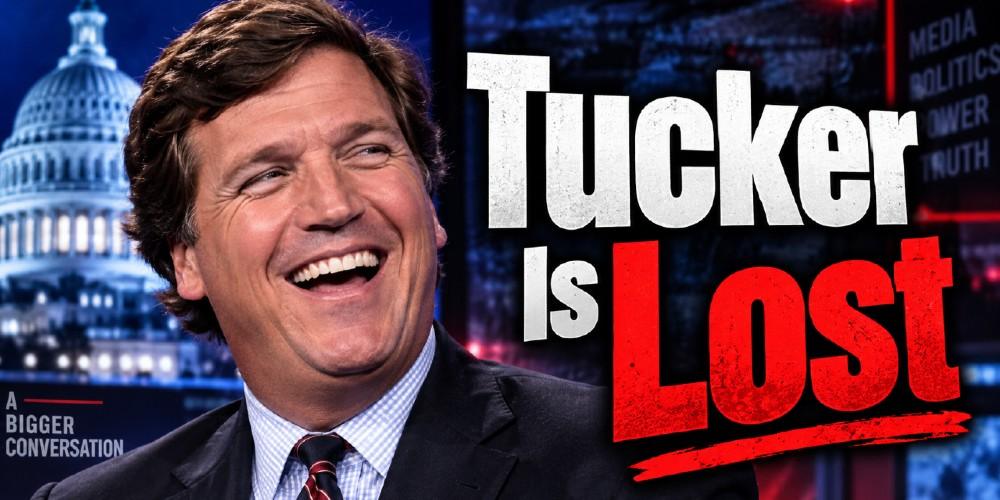
Tucker Carlson turned that response into the scandal, insisting critics were the real problem and calling El-Sayed “obviously right” about 9/11 while urging “the good people of Michigan” to keep Rogers “far away from Washington.” Carlson even wrote, “Hold on a second. Disgusting?” as though questioning the moral center of those who defend American victims is the higher ground. That posture hands a Democratic candidate cover on national security at a moment when clarity and allegiance matter to many Americans.
Carlson went further and labeled U.S. post-9/11 conduct as a kind of state terror, saying the wars “blew the original attack out of the water” and that America had “slaughtered enough civilians to account for dozens and dozens of 9/11s.” That rhetoric flips the script, turning the nation that was attacked into a co-perpetrator. For voters who view 9/11 as an assault on our people and institutions, that framing crosses a threshold from critique into betrayal.
El-Sayed’s associations deepen concerns for conservative voters who prize clear lines on national security. He has appeared with controversial figures who have said inflammatory things about America, including streamers and pundits who flirted with the idea that “America deserved 9/11.” He defended some of those ties as “dumb” but continued the relationships and the public appearances, allowing enemies of American memory to become part of his coalition.
El-Sayed’s pattern of cleaning up language when it matters and maintaining alliances the rest of the time suggests opportunism, not humility. He released a polished tribute video for the anniversary that omitted the deleted tweet and the podcast line about who Americans “fail to center.” That step looks like damage control designed to soften optics for a moment but not to change the underlying worldview that treats American power as the central moral problem.
Michigan’s open Senate seat is real power, not an abstract debate. Rogers brings long experience in intelligence and national security to voters who want someone who recognizes 9/11 as an attack on the United States, not merely a starting point for the country to indict itself. Carlson’s attempt to normalize El-Sayed and to cast Rogers as beholden to foreign interests undermines a simple truth for many voters: a senator should defend American victims and prioritize national security without equivocation.
There is room for criticism of the Iraq war and for honest accounting of civilian harm overseas, but that debate should not erase the moral clarity owed to Americans who died or served after 9/11. Statements that demand we “center” other perspectives at the expense of American grief are disqualifying for someone seeking a seat in our Senate. Michigan voters will decide whether they want a senator who portrays our remembrance as incomplete until the rest of the world is prioritized.
“Woe unto them that call evil good, and good evil; that put darkness for light, and light for darkness; that put bitter for sweet, and sweet for bitter.” That warning captures why this issue matters: memory and judgment shape who we choose to represent us in Washington, and those choices have consequences beyond rhetoric.




You must be logged in to post a comment Login