
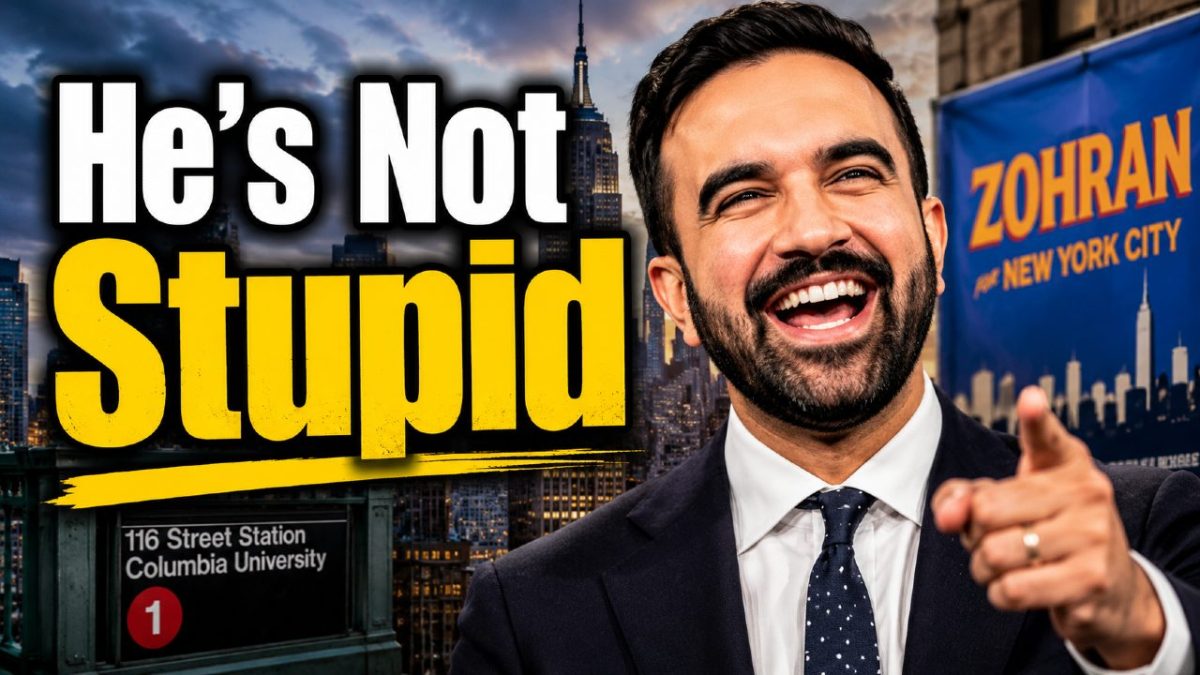

New York’s mayor publicly mourned a detainee who died at Rikers, touching off furious backlash from the family of the man the detainee was accused of killing; the mayor’s post saying he was “deeply saddened” drew sharp criticism from Bronx residents who say the victim deserves the focus and accountability around jail safety remains urgent.
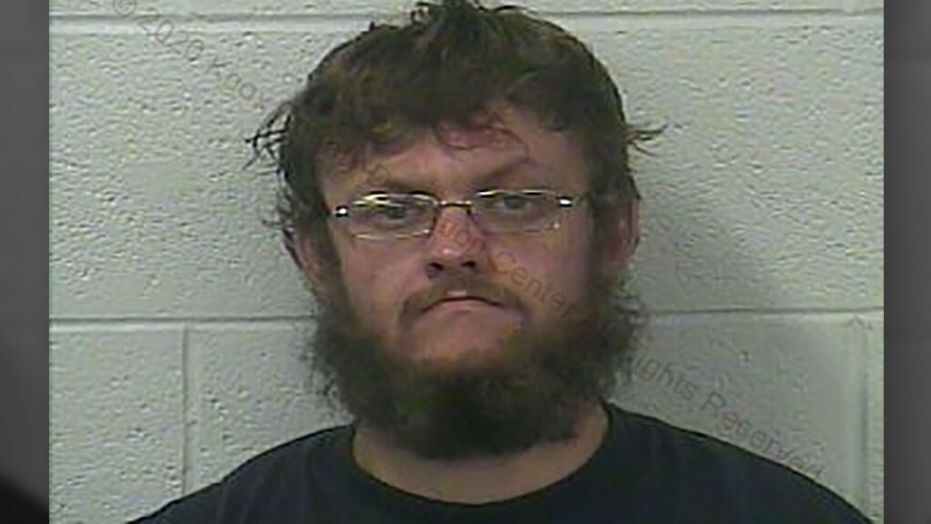
The story centers on 41-year-old Clarence Woodward, who died in custody while awaiting trial for the August 8, 2024 killing of 45-year-old Jose Miranda. Woodward was being held without bail and had an extensive arrest history stretching back decades, and his death marked the seventh inmate fatality at Rikers so far this year.
https://x.com/NYCMayor/status/2092293181748752611?ref_src=twsrc%5Etfw
Mayor Zohran Mamdani posted on X that he was “deeply saddened” by the in-custody death and said his thoughts were with Woodward’s family, a tone that quickly inflamed Miranda’s relatives and neighbors. Miranda’s mother responded that the mayor’s message felt “a slap in the face” and called it “not fair at all,” insisting the city should have centered her son first because “He was killed.”
Miranda’s brother pushed the same point, saying the mayor “should have mentioned us first” while the family continues to grieve a man they describe as irreplaceable. Community members in the Bronx described Woodward as a known troublemaker and criticized the decision to publicly mourn someone they labeled “an assassin” instead of acknowledging the life lost.
Details about Woodward’s background are stark: a homeless parolee with nearly 30 arrests, including four felony robbery arrests, five assault charges, and various weapons, drug, and larceny counts dating back to 2002. He had been released from state prison roughly a month after serving a five-year sentence for attempted robbery and assault before the laundromat attack that led to the murder charge.
Miranda, who supported two children and worked as a neighborhood barber, had been serving as a caretaker at a 24/7 laundromat after losing stable housing while battling addiction. Neighbors remember him as a friendly presence who tried to get back on his feet, and many say the human cost of his death has been lost amid official statements focused on the inmate’s passing.
Local voices were blunt in their condemnation of the mayor’s framing, with a supermarket manager, Herman Gonzalez, saying the mayor “should realize why that guy was in jail.” Those comments reflect a broader Republican-leaning critique: leaders should stand squarely with victims and their families first and communicate a commitment to law and order without appearing to prioritize an accused violent offender.
Correction Commissioner Stanley Richards called the inmate’s death a tragedy and said it would be investigated, while City Hall reiterated long-term goals to improve jail conditions and close Rikers. Still, the optics of public mourning for someone accused of murder—before the victim’s family was acknowledged by city leaders—have fed anger and deepened distrust among residents who want safety and justice prioritized.
This episode raises two linked questions for city officials: how to protect inmates while maintaining public confidence in the criminal justice system, and how to honor victims without giving the impression local leadership sympathizes first with alleged perpetrators. Families like Miranda’s say those priorities feel inverted, and their calls for recognition and answers are echoing through neighborhoods that want safer streets and clearer accountability from City Hall.



You must be logged in to post a comment Login