
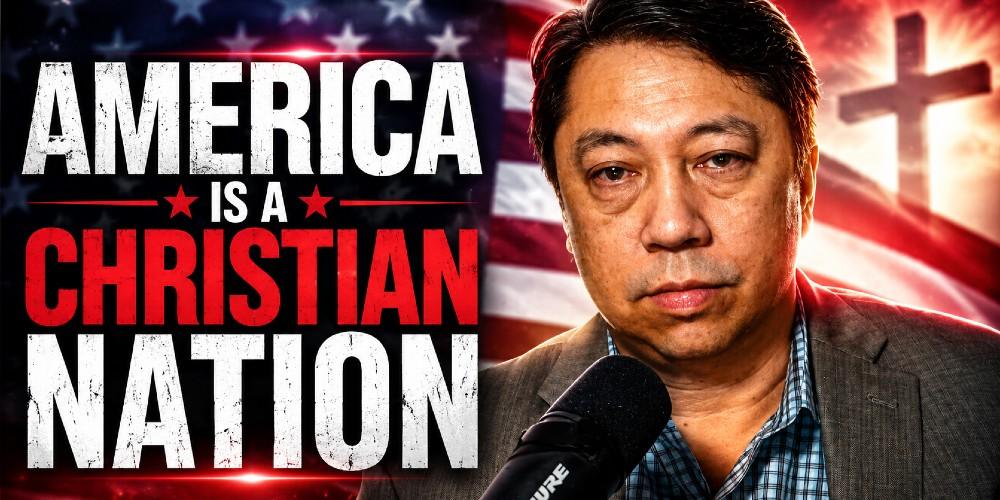

America needs a clear, confident conversation about its character: we were founded with a vast Christian influence and acknowledging that reality does not erase freedom or respect for other faiths. Calling for more citizens who value that heritage is not a call for coercion but for a civic culture that understands where our laws, language, and institutions came from. This piece makes the case that leaning into a Christian civic identity will strengthen the republic, protect liberty, and restore a sense of shared purpose. It argues for honoring our roots while treating everyone with fairness under the law.
First, definitions matter. Too often the phrase “Christian Nationalist” gets twisted into a cartoon about theocracy, but the plain meaning is simpler: citizens who believe Christian moral and cultural foundations shaped America and want those values reflected in public life. From the way our law treats human dignity to the moral vocabulary used in public speech, Christianity is woven into national life. Recognizing that is honest, not exclusionary.
Second, our history backs this up. Many founders and early patriots explicitly rooted their civic ideals in Christian thought even when they debated particulars. That influence shows up in civic language about rights, duties, and virtue, and it influenced institutions that protect ordered liberty. Saying America has a Christian character does not erase the pluralism that makes it work, it explains why certain traditions have endured.
Third, being a Christian-minded citizen means insisting on laws and policies that reflect human dignity and moral clarity. That does not mean forcing private belief, but it does mean public norms guided by reason and long-standing moral insights. Policies that protect life, promote strong families, and encourage local charity flow from that outlook. Those are practical priorities that improve communities and reduce reliance on centralized state programs.
Fourth, respect for religious freedom goes both ways. A nation proud of its Christian roots should welcome people of all faiths and none, as equal citizens under the law. The alternative is a thin, neutral public square that drives genuine belief out of civic life entirely. Conservatives argue for a public culture where faith can be freely expressed and where traditions shape public virtues without trampling individual conscience.
Fifth, look at the cultural consequences when we sever ties to our moral past. Social fragmentation, declining civic participation, and a growing contempt for institutions spring from a loss of shared narrative. Restoring a bolder public Christianity helps rebuild local institutions, from schools to charities, that keep families and neighborhoods strong. This is about civic repair, not religious coercion.
Sixth, critics warn about nationalism morphing into exclusion or illiberalism, and those warnings are valid. Defending a Christian national identity must be anchored in constitutional limits, pluralism, and individual rights. The aim is a confident majority culture that models generosity and restraint, not one that silences dissent or weaponizes faith for power.
Finally, real patriotism trusts citizens to govern themselves through a moral conversation rooted in history and human experience. Encouraging more people to embrace a public-spirited Christian identity is a call to rebuild local trust, revive civic institutions, and celebrate the traditions that shaped our republic. That approach respects pluralism while offering a clear foundation for a healthier, freer society.




You must be logged in to post a comment Login