
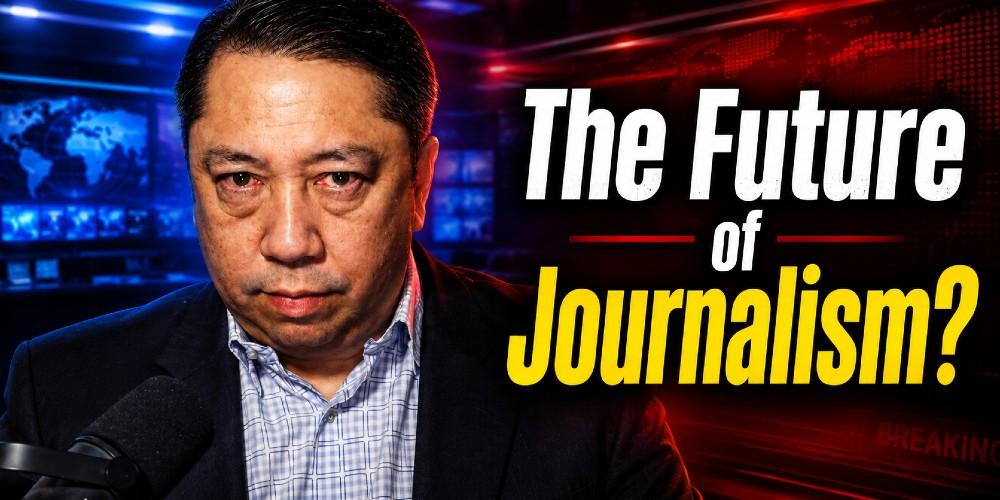

This piece looks at how journalism is shifting fast, how audiences are changing the rules, and what a show like this should do next to stay sharp, credible, and connected without losing its voice.
The media world has accelerated into a place where format outruns fact-checking and speed often replaces depth. Audiences now carve out their own channels and expect content they can consume on the go, on their phones, or in short bursts between tasks. That matters because the attention economy rewards novelty, not nuance, and outlets that adapt will last longer.
Trust in institutions is fraying, and reporters face the double task of proving accuracy while also being interesting enough to keep viewers. That means verification has to be visible, not just done behind the scenes, so people can see the work that went into reporting. Transparency about sources and process becomes a competitive advantage, not a liability.
Formats are multiplying: newsletters, podcasts, short videos, live chats, and deep dives all coexist, and each reaches different pockets of the audience. A successful show today is often an orchestra of formats rather than a single instrument, tailoring the same core reporting to multiple moments. That approach builds touchpoints and gives people agency in how they engage.
Donation: Buy author a coffee. If you value the show and want to support independent work, small contributions keep the lights on and the research honest. Support from the audience preserves editorial freedom and helps fund the slow, necessary work that algorithmic feeds overlook.
Monetization is not just ads and sponsorships anymore; it’s memberships, gated deep content, events, and direct support from viewers. Those revenue paths let creators set priorities without pandering to ad metrics at every turn. But they require a clear promise: what paying members get and why it matters to them.
Local and niche reporting are resurging because they offer relevance and trust that broad outlets struggle to match. When a show or outlet leans into a specific beat or community, it becomes indispensable to those listeners. That means editors should invest in people who know the terrain, not just chase viral hits.
Production values count, but substance matters more; slick editing helps, but accuracy keeps you credible. Audiences will forgive a rough cut if the reporting is solid and the judgment sound. So prioritize fact-checking, context, and careful sourcing, then package those elements in ways that resonate visually and audibly.
Engagement should be strategic and not just performative; invite feedback, show how it shaped coverage, and use community input to set priorities. That loop turns passive viewers into invested members and helps editors avoid echo chambers by exposing blind spots. A show that listens grows both loyalty and journalistic rigor.
Finally, plan for adaptability without losing the core mission: commit to clarity, defend truth with evidence, and experiment with formats that meet people where they already are. Change won’t stop, so the work is to design a process that stays nimble, honors standards, and keeps conversations civil. That’s how a program survives and serves in a noisy, fast-moving media landscape.






You must be logged in to post a comment Login