
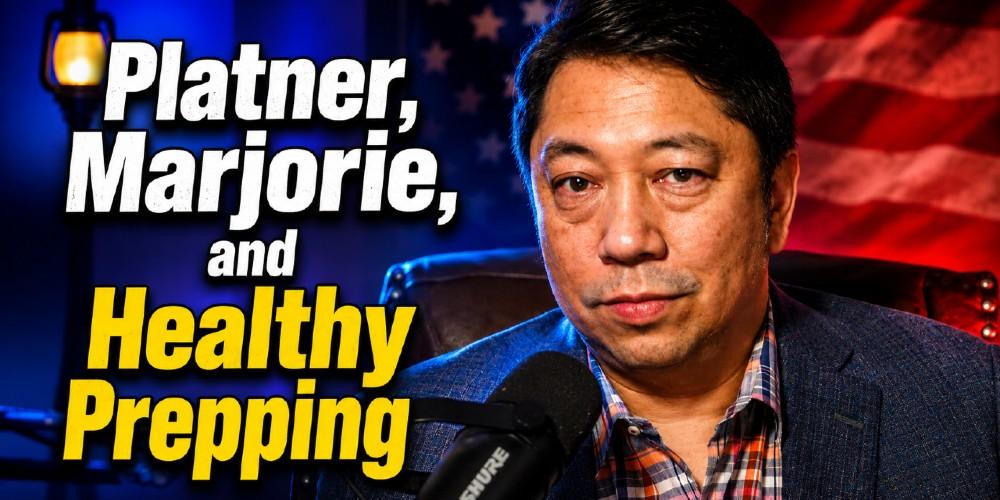

The campaign landscape shifted hard this week as Graham Platner’s standing crumbled, Marjorie Taylor Greene seized the moment to expose troubling connections and push a blunt message on assault reporting, and a separate thread about personal preparedness and public health warned Americans to get local and get healthy. This piece runs through those moves in plain terms, explains the political stakes from a conservative angle, and lays out why now is the moment to prioritize community resilience and personal wellness.
Graham Platner’s momentum evaporated faster than his campaign staff could explain, and for conservatives that collapse was no surprise. The signs were there for weeks: mixed messaging, weak ground operations, and a flashy profile that didn’t translate into votes. Even if he lingers on the ballot, his viability is gone and rivals will pounce.
There’s still one awkward wildcard: the Democratic Socialists of America could try to prop him up for ideological reasons, keeping a fringe candidacy visible to shift debate leftward. That’s a clear political calculation: keep a split opposition and force Republicans to spend time and resources. Conservatives should call that out as the last gasp of a coalition that fails to deliver governance, only chaos.
Into that breach stepped Marjorie Taylor Greene, unapologetic and loud, pointing at Platner’s AIPAC ties and then pivoting to a blunt call to action on sexual assault reporting. Whether you like her style or not, her message about immediate reporting is something serious that shouldn’t be lost in partisan theater. Conservatives can and should support victims while demanding thorough, fair investigations that respect due process and protect the accused from false claims.
MTG’s approach mixes confrontation with a push for accountability, and that resonates with a base tired of equivocation. Pointing out an opponent’s alliances is normal politics; forcing a conversation about institutional influence and transparency is necessary. The broader GOP argument is simple: voters deserve clarity on who funds who and what strings might be attached.
Shift gears to health and preparedness, and the advice is surprisingly straightforward: localize your life and invest in personal resilience. Global supply chains and distant systems are fragile; communities that cultivate local food, local health networks, and neighborhood-level support do better when disruptions hit. A conservative view favors empowering families and communities over expanding federal dependence when times get tough.
Being a true prepper today isn’t about doomsday bunkers or paranoia; it’s about practical steps that make life safer and healthier. Grow some food, learn basic first aid, get fit, and build strong local relationships you can rely on when stores are empty or services slow down. That kind of steady, proactive self-reliance is conservative common sense and serves the country better than panic or helplessness.
Health plays a starring role in resilience: being physically robust reduces strain on hospitals and keeps communities running during crises. Public policy should incentivize preventive care, nutrition, and local clinics rather than one-size-fits-all mandates that strain budgets and individual liberty. Conservatives should champion policies that return control to patients, support family medicine, and make healthy options accessible in every neighborhood.
Back on the campaign trail, voters are watching for authenticity and competence, not flashy narratives or funded theatrics. Platner’s decline and MTG’s combative spotlight are part of a larger test: who can actually deliver solutions at the local level? Republicans who emphasize real-world readiness, transparent funding, and accountable leadership will win trust in this environment.
So, the political moment and the personal preparedness movement converge: demand accountability from candidates, support victims while protecting due process, and build stronger local systems that keep people healthy and safe. That combination is practical, principled, and tuned to what communities need when national systems wobble. It’s time to act with clarity and purpose rather than waiting for permission.





You must be logged in to post a comment Login