
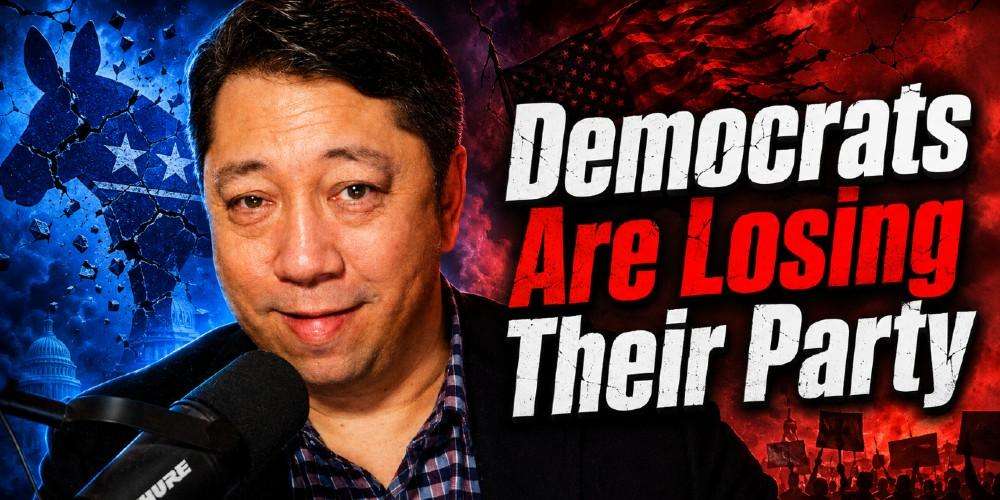

Democrats are heading into a political mess: the Democratic Socialists of America burned bright and fast, but the party’s own establishment lacks the backbone to turn DSA mistakes into a recovery. The result is a fractured coalition where radicals repel voters and insiders can’t or won’t fix it, leaving the whole party vulnerable in the next cycle.
The DSA grabbed headlines and confidence early, acting like they’d arrived at the top of the hill. Their visibility has produced blunders — tone-deaf positions, reckless rhetoric, and candidates who fumble simple questions — that would normally open space for centrist Democrats to regroup. Instead, the party’s center is muddled and timid, more worried about internal purity tests than winning back the middle.
That hesitation matters. When activists push extremes and elected officials fail to check them, voters notice. Independents and moderate Democrats aren’t impressed by calculated outrage or a parade of uncompromising demands; they want results and stability. The DSA’s flash doesn’t translate into broad electoral appeal, and the establishment’s failure to present sensible alternatives leaves a vacuum.
Look at the mechanics: grassroots momentum without discipline creates noise, not power. The DSA’s energy tends to center on spectacular moves rather than sustainable coalition building, which can alienate working-class voters who prefer pragmatic solutions. Those voters are the ones Republicans will target, and they’re often receptive to straightforward messages about security, jobs, and common-sense governance.
The party elite could step in and reframe the story, but they’re tripped up by their own contradictions. Too many inside-the-Beltway operators are invested in labels and alliances that look good in tweets and think pieces but fail at the ballot box. Rather than distancing themselves from extreme positions, they often hedge or equivocate, which sends the wrong signal to the electorate.
That equivocation has consequences. When leadership refuses to police its fringes, it lets opponents define the narrative. Republicans can point to concrete failures and paint a picture of chaos, while Democrats stammer and circle the wagons. In politics, clarity wins; muddled defensiveness loses support and motivates opposition voters.
The DSA’s own missteps supply plenty of material: overreaching policy promises that lack fiscal credibility, celebrity-driven campaigns that collapse under scrutiny, and a cultural tone that rubs ordinary voters the wrong way. Those are self-inflicted wounds, yet the establishment’s inability to call them out makes the party look defective rather than self-correcting. That’s a dangerous impression to leave in swing districts.
On the ground, the impact is simple. Local races are where national narratives become real, and candidates who can’t make a case for competence get punished quickly. A national party that appears divided and defensive hands an advantage to disciplined opposition campaigns that capitalize on bread-and-butter issues. The Republicans who stay focused on economy, safety, and family values stand to gain.
This isn’t just theory; it’s practical politics. Voters respond to leadership that shows backbone and common sense, not performative radicalism or timid inside-baseball maneuvering. The coalition that wins must be able to absorb energy from new movements while filtering out excesses that scare off the broader public. So far, Democrats are failing that test.
What happens next will depend on whether conservative campaigns keep sharpening their message and mobilizing voters, while aligned independents look for alternatives to chaos. The opposition doesn’t need to invent crises; it needs to exploit the natural fallout of a party that can’t govern its extremes or rally its center. That’s the political opening conservatives should be ready to use.




You must be logged in to post a comment Login