
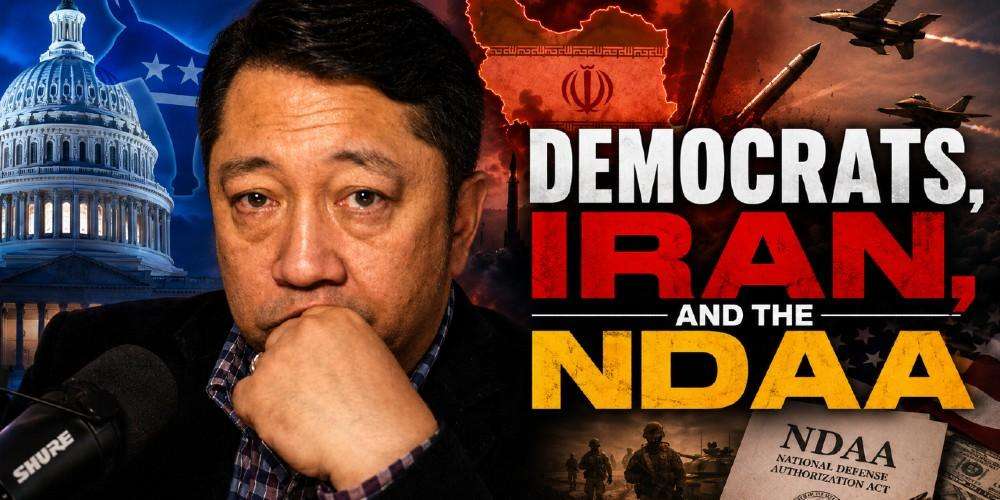

This piece takes a sharp look at three linked problems: Democratic leadership that invites easy criticism but still demands vigilance, the persistent threat posed by Iran, and the concerning Israeli-connection inside the NDAA that needs clear answers. I’ll lay out why each matters, how they intersect, and what a forceful, common-sense response should look like. Expect direct language, accountability, and a push for stronger national security. All of this and more on today’s episode of Patriot.tv
It’s tempting to treat Democrats as a sitting duck — they hand us mistakes on a silver platter. Still, underestimating them would be a mistake in itself because policy blunders can have real, costly consequences. Republicans need to stay sharp, call out failures, and offer better options rather than simply gloat.
The core problem with current Democratic governance isn’t just incompetence; it’s the tendency to prioritize narratives over outcomes. When politics trumps practical security, America pays the price in weakened borders, muddled foreign policy, and lost deterrence. Plain talk and steady leadership are what voters want, not excuses.
Iran is not a problem you can wish away with clever talking points or weak sanctions. Tehran’s regional network, missile program, and enrichment efforts continue to undermine stability from the Gulf to the Mediterranean. The regime funds proxies, trains militias, and tests international resolve, and the sooner we treat it like an active adversary, the better.
Underestimating Iran risks strategic surprise and emboldens aggression against allies and American interests. Republicans should push for a firm posture that combines credible military options with tough economic pressure and tighter enforcement. Diplomacy has a role, but it must be backed by deterrence, not hollow promises that reward bad behavior.
The NDAA is supposed to be our annual chance to secure the military and set clear priorities, but the “Israeli-connection” thread in recent drafts raises questions about transparency and alignment. When foreign ties or favored provisions sneak into defense legislation without clear debate, Congress fails its constitutional duty. Every dollar and clause should be scrutinized to ensure it serves American security, not outside agendas.
There’s a fine line between supporting an ally and ceding policy control through opaque provisions. A Republican approach means backing partners like Israel while insisting on sunlight and accountability in our laws. We can be friends and defenders without letting foreign entanglements shape American strategy behind closed doors.
Domestic politics colors all of this. Democrats who flail on the home front weaken our position abroad, and voters notice the gap between rhetoric and results. Republicans must exploit those openings with practical, clear proposals that restore strength to our military, protect the homeland, and keep foreign influence out of key legislation.
Oversight is not a partisan hobby; it’s the job of a functioning Congress. Republicans should demand hearings, roll up sleeves, and prove that they can legislate responsibly while standing firm on national security. That means tougher inspections of NDAA language, sharper focus on Iran’s threat matrix, and relentless pressure on leadership failures across the aisle.
There’s no magic fix, but there is a straightforward path: call out weak leadership, resist dangerous foreign entanglements, and force transparency where it’s missing. America needs sober, decisive action rather than wishful thinking, and that’s what responsible conservatives should deliver. Tune in for the full discussion and pragmatic solutions on the next episode of Patriot.tv





You must be logged in to post a comment Login