
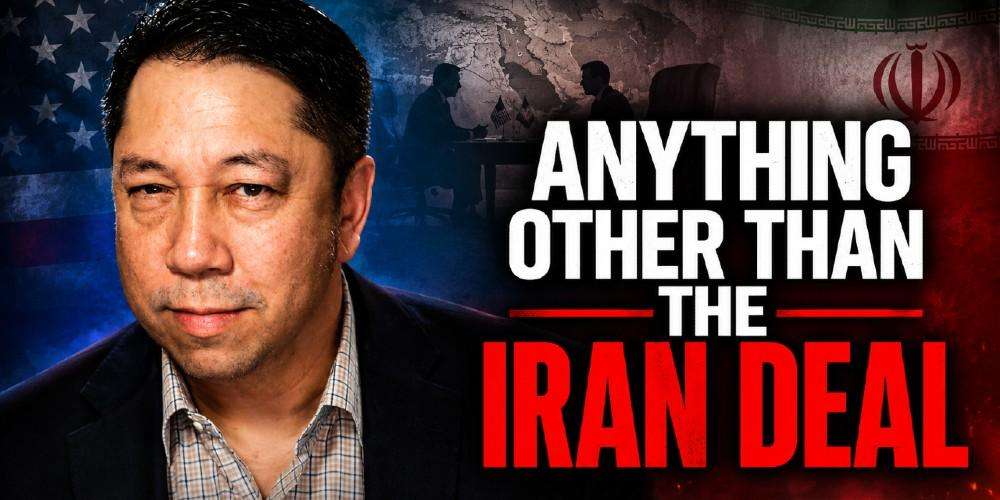

I’m passing on a deep dive into the Iran memorandum for now, and this piece lays out the concrete reasons for that choice, assesses the risks, and explains what conditions would make the situation worth revisiting. The focus is on the lack of reliable detail, Iran’s track record, and the regional reality with Israel and Hezbollah. You’ll get a clear Republican-leaning take on why patience and verification matter more than headlines. The Rumble embed follows the article for reference to the original clip.
There are three practical reasons to hold off on a public verdict about the Memorandum of Understanding with Iran. First, the reporting is mostly driven by Tehran and leaks, not a vetted, full legal text that can be analyzed. Second, history shows Iran operates by deception and delay when it suits their interests, so trust without verification is dangerous. Third, regional actors like Israel and Hezbollah are active players whose actions could make any agreement meaningless on the ground.
On the first point, we simply do not have a finished agreement to parse. Half-confirmations from Washington and selective leaks from Iranian state outlets do not equal a stable, enforceable pact. Republicans should demand transparency: full texts, timelines, and implementation milestones before anyone treats this as anything more than a diplomatic draft. Until those pieces exist, speculation will fill the vacuum and that benefits Iran, not American security.
The second issue is Iran itself — its leadership has long used diplomacy as a cover while advancing strategic goals. From missile programs to regional proxies, their pattern has been consistent: negotiate when it helps, cheat when it can. A cautious Republican stance recognizes that goodwill gestures must be backed by inspection regimes, hard verification, and real penalties for violations. Soft assurances without teeth will not protect U.S. interests or allies in the Middle East.
Third, any theoretical agreement runs into a hard reality: regional actors are not waiting politely for paperwork. Israel views existential threats differently and acts accordingly, while Hezbollah operates as Iran’s shadow army on the Lebanese border. Those forces can escalate quickly and render diplomatic texts meaningless if they continue arms buildups and cross-border attacks. Any meaningful deal has to account for these dynamics or it risks collapsing the moment pressure rises.
From a Republican perspective, the default should be skepticism combined with preparedness. That means pressing for independent verification, keeping sanctions on the table, and ensuring Israel has the means to defend itself. It also means Congress should insist on a role in reviewing any final agreement and not cede oversight to an administration eager to claim diplomatic victories. Real security requires leverage, not rushed concessions.
We will take a hard look once the facts are on the table and verifiable mechanisms are spelled out in public law. Until then, the responsible path is to demand clarity, keep pressure where it works, and support allies who face immediate threats. The conversation can shift once a firm text and credible verification exist, but right now the smarter play is caution, not applause.
!function(r,u,m,b,l,e){r._Rumble=b,r[b]||(r[b]=function(){(r[b]._=r[b]._||[]).push(arguments);if(r[b]._.length==1){l=u.createElement(m),e=u.getElementsByTagName(m)[0],l.async=1,l.src=”https://rumble.com/embedJS/u1wxk5″+(arguments[1].video?’.’+arguments[1].video:”)+”/?url=”+encodeURIComponent(location.href)+”&args=”+encodeURIComponent(JSON.stringify([].slice.apply(arguments))),e.parentNode.insertBefore(l,e)}})}(window, document, “script”, “Rumble”);
Rumble(“play”, {“video”:”v795gn6″,”div”:”rumble_v795gn6″});





You must be logged in to post a comment Login