
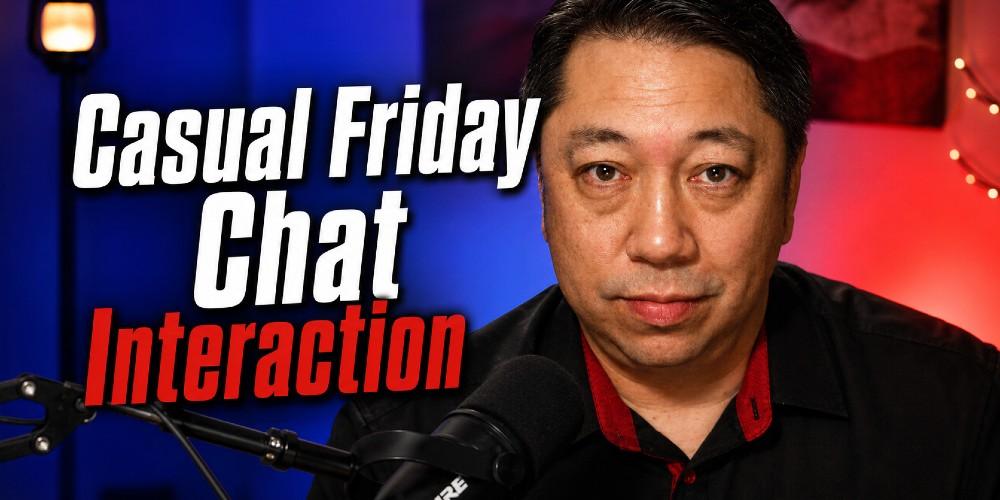

We walk through the day’s headlines, invite on-the-spot feedback from people watching, and respond in real time to what matters. The show is casual and conversational, aimed at sorting signals from noise so viewers can decide what to care about. Think of it as a live, conversational scan of the news that values audience input as part of the story.
Each segment begins with a quick rundown of the most pressing items on the radar, delivered in plain language so anyone can follow. We avoid jargon and aim to highlight why a story matters, not just what happened. That keeps the pace brisk and the takeaways useful.
We’ll be going through the general news, asking the audience their thoughts and responding accordingly. It’s sort of like Ask-Me-Anything without the questions. That approach flips the usual format: instead of a host lecturing, the audience helps shape the angle and priorities.
Audience interaction is more than comment reading; it’s an active part of the editorial process. Viewers flag items, point out local angles, and call attention to voices the mainstream may be missing. The result is a mosaic of perspectives rather than a single curated feed.
The host’s job is to keep the thread coherent, press for facts, and challenge sloppy takes when necessary. That means quick checks, clarifying questions, and occasionally pushing back to avoid amplification of misinformation. The tone stays firm but fair so the conversation remains productive.
Topics are chosen on a simple mix of urgency, relevance, and the audience’s curiosity. A breaking story gets immediate attention, while slower-developing themes are brought back for context and follow-up. That balance helps viewers stay informed without getting trapped in clickbait cycles.
Moderation matters. We set clear expectations: civility, evidence over insults, and no doxxing or hate. A few firm rules keep the space useful and prevent it from devolving into chaos. Enforcing those rules means more signal and less noise for everyone involved.
Technically, the production stays lean so the conversation feels live and unscripted. Short prep, fast transitions, and a willingness to pivot if the audience discovers something important keeps energy high. The goal is to preserve spontaneity while still delivering accurate, helpful context.
For viewers who want to get the most from the format, come with specifics, cite sources when possible, and be ready to summarize why a point matters in a sentence or two. Comments that add context, first-hand observation, or relevant questions tend to propel the discussion forward. That makes the session more informative and more fun.
Regular cadence is useful: a daily or several-times-weekly rhythm builds trust and improves quality over time. Repetition helps identify trends, surface overlooked patterns, and allow follow-ups that deepen understanding. Consistency also turns casual viewers into informed participants who shape what the show covers next.
Ultimately, this format treats the audience as collaborators, not just consumers, and rewards thoughtful contributions. It creates a dynamic mix of headlines, crowd-sourced insight, and on-the-spot analysis that serves people who want news explained without spin. Jump in ready to listen, share, and help steer the conversation.






You must be logged in to post a comment Login