
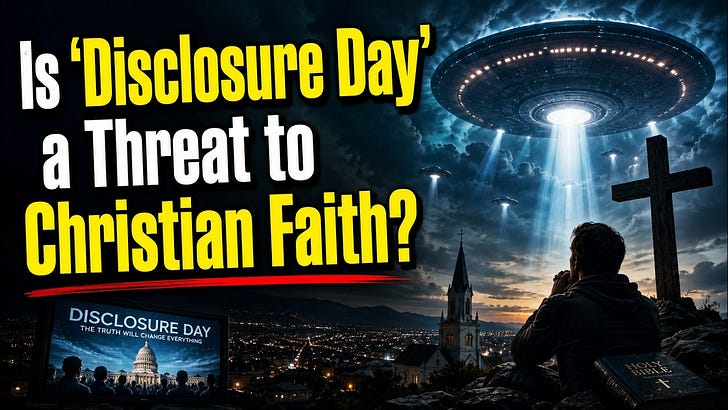

Steven Spielberg’s Disclosure Day arrives into a noisy moment, trading on current Pentagon talk about unidentified aerial phenomena while asking whether evidence of visitors would unsettle belief. The film aims to mix suspense, topical intrigue, and spiritual questions, but its execution and the reactions it provokes matter as much as the premise itself. This piece looks at the movie’s craftsmanship, its theological gestures, and why some viewers see it as part of a larger cultural push toward normalizing extraterrestrials.
Spielberg’s name carries an expectation of cinematic wonder and emotional subtlety, built from classics that made the extraordinary feel intimate. Disclosure Day was therefore poised to be more than popcorn, promising a narrative that could tap into real anxiety about official revelations. Early reactions, however, suggest the film lands unevenly between spectacle and sermon.
The movie is set against the backdrop of looming disclosure, with characters racing to make sense of events that could redefine humanity’s place in the cosmos. That premise gives the filmmakers a natural moral and philosophical fork to explore, and the film repeatedly pushes characters into moments of faith versus fact. Rather than offering new insight, much of the storytelling leans on familiar beats and predictable reversals.
Technically, the film shows competence: clean production design and a cast that commits to the material. But critics and many viewers expected more daring choices from a director of Spielberg’s stature, particularly in how he would handle the spiritual stakes. Instead, plot contrivances and on-the-nose dialogue undercut scenes that might have been genuinely unsettling or thought-provoking.
One quiet thread threads through the plot: a crisis of faith sparked by apparently undeniable evidence of extraterrestrial life. A scene where a character consults a nun and receives reassurance that belief in God and the possibility of other intelligences need not clash is meant to calm anxieties. That conciliatory stance has drawn attention because it reframes cosmic discovery as compatible with traditional faith commitments.
That framing is not unprecedented; theologians and even some Vatican statements over the years have allowed room for intelligent life beyond Earth, and speculative fiction by authors like C.S. Lewis has long toyed with such ideas. Still, for readers of Scripture who expect a strict anthropocentric arc to redemptive history, the suggestion of multiple supreme creations raises questions about how biblical claims are being reinterpreted. The film touches that tension without fully adjudicating it.
Those concerns become sharper when religious watchers point to prophetic passages and warnings about deception. Some interpreters argue that the UFO phenomenon has dimensions tied more to occult or interdimensional explanations than to distant planets, and they warn that portrayals of benign visitors could soften public skepticism. The movie doesn’t fully engage those debates, but it surfaces them enough to prompt conversation.
One part of the audience has reacted less to theological nuance than to the movie’s inability to surprise. A viewer quipped that the climax felt like a cinematic rickroll, capturing a common complaint: moments meant to provoke awe instead provoke awkward laughter. That reaction shifts attention from spiritual questions to craft, suggesting the film fails on two fronts for those hoping for either artistic brilliance or subtle persuasion.
Beyond the film itself, disclosure narratives are gaining traction in mainstream conversation, with official briefings and speculative reporting making extraterrestrial scenarios more familiar. Entertainment often mirrors and shapes public appetite, so movies like Disclosure Day play a role in setting the emotional terms for how people might receive future announcements. Observers on all sides are watching that dynamic closely.
For viewers interested in theology, the film is a prompt more than an answer: it raises the issue of how biblical claims interact with modern cosmology and cultural storytelling. For moviegoers interested in thrills, it’s a mixed bag of competent set pieces and tired narrative tricks. Either way, the film’s release is stirring discussion about what counts as evidence, what counts as deception, and who gets to decide.
The questions Disclosure Day brings to the surface are likely to outlive any single cinematic season, especially as official discourse evolves. Whether the film changes many minds is uncertain, but it has already become a cultural touchpoint for conversations about faith, evidence, and the roles that movies and institutions play in shaping public belief.
“And there shall be signs in the sun, and in the moon, and in the stars; and upon the earth distress of nations, with perplexity; the sea and the waves roaring.” — Luke 21:25






You must be logged in to post a comment Login