
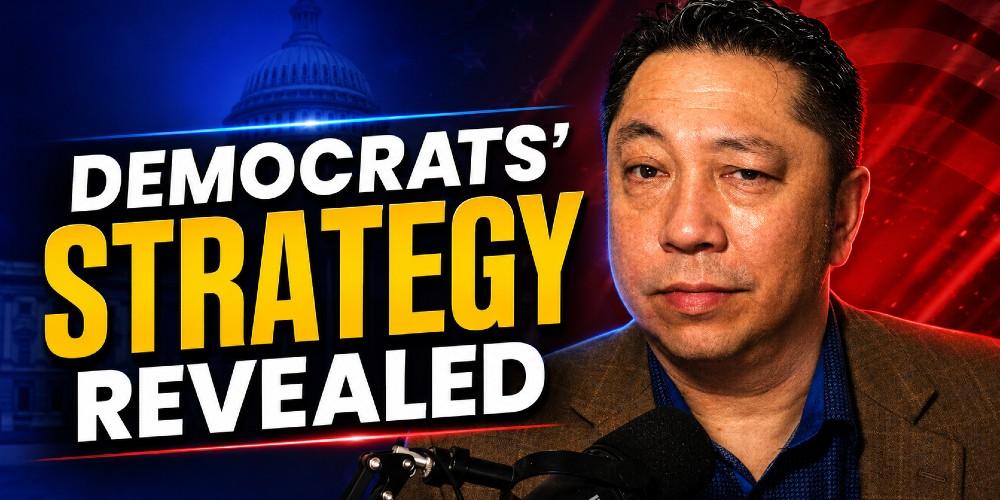

Democrats are shifting into full general election mode with a familiar playbook: squeeze Republican voters by stoking anti-Trump sentiment, leverage public unhappiness over the Iran war, and revive racial grievance messaging in a lower key form. They are also planting accusations about cheating to deflect attention, which means Republicans need a clear, disciplined counterplan focused on turnout, messaging, and state-level gains.
With most primaries wrapped up, Democrats are sharpening their lines and recycling a theme that centers on Trump and his influence. That angle plays better now because independents and moderate Democrats are uneasy about the fallout from the Iran war, and that unease has dented the coalition that carried the GOP in 2024. Even so, the Republican base remains energized, and that energy is a critical asset for defending seats.
The Iran war is the political wild card that changed the battlefield. Voters who once shrugged at foreign entanglements now rank the president’s conduct as a major factor in their judgment, and Democrats are betting that will translate into gains. That could flip back the other way once hostilities end, so timing and messaging matter a lot for both parties.
On race, Democrats are dialing up a softer version of the 2020 approach: less property damage and more noise—louder rhetoric, more media-driven outrage, and persistent claims of systemic racism. Their aim is to keep cultural flashpoints alive enough to punch through the day-to-day news and shape perceptions. Republicans should recognize the tactic without overreacting to manufactured crises that are designed to distract from policy failures.
>
Gaslighting and deflection are baked into their tactics.
Accusations about cheating are already being primed by Democratic operatives and allied media, even while they wage every kind of legal and procedural fight to tilt outcomes. The strategy is simple: if you can convince enough people the process is corrupt, you can erode confidence in results that go the other way. Republicans must both defend the integrity of elections and expose the hypocrisy without sounding like conspiracy theorists.
The winning Republican approach is not mystery hunting. It starts with steady, disciplined messaging that highlights pocketbook issues, border security, and public safety while showing how Democratic policies have consequences voters feel in their daily lives. Candidates should avoid getting dragged into every culture war provocation and instead pin the contrast on competence, accountability, and proven conservative reforms that improve people’s lives.
At the same time, Republicans have to take the fight to the states. State legislatures and governors’ mansions are where policy and election rules get made, and control there determines the map for years. Invest heavily in candidate recruitment, local infrastructure, and grassroots turnout operations that reach suburban and rural voters who may be wavering.
Messaging must include clear, relatable priorities: lower taxes, more economic opportunity, firm border control, and safer streets. Pair those with specific, achievable promises at the local level so voters know what changes to expect after Election Day. That concreteness cuts through abstract accusations and forces campaigns to compete on results.
Finally, turnout wins when campaigns respect voters’ time and intelligence. Republicans should run disciplined, respectful campaigns that hold Democrats accountable for policy failures without amplifying their manufactured controversies. If the party focuses on rebuilding the coalition that won in 2024 while expanding appeal to independents upset by the war and by economic uncertainty, Republicans will be positioned to defend and expand their majorities.





You must be logged in to post a comment Login