
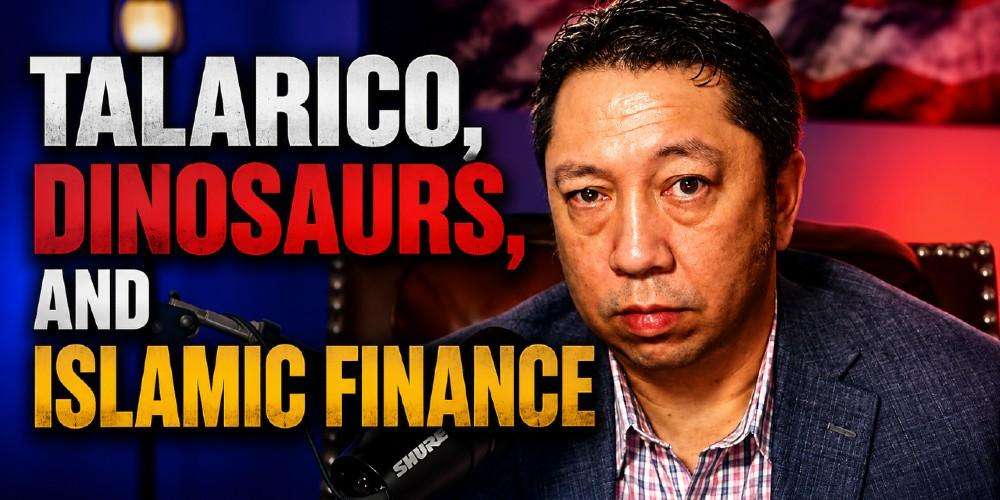

This piece looks at three sharp challenges roiling our institutions: the spread of Sharia principles into parts of the financial system, the political theater around “the Paxton playbook” and the influence of big money, and how scientific shifts are unsettling the evolutionary worldview. I connect these threads through a lens that favors strong national institutions, clarity about cultural forces, and a no-nonsense take on public responsibility. Expect direct observations, practical concerns, and a call for accountability without getting lost in jargon.
First, the presence of Sharia-aligned practices inside segments of the U.S. financial system deserves a sober read. This is not a culture war slogan, it is a practical problem when foreign legal norms subtly affect contracts, lending standards, or investment vehicles in ways that bypass common-law expectations. Conservatives should demand transparency and guardrails so that financial tools operating here follow American rules and values, not parallel systems that can complicate regulation and accountability.
Second, money and optics corrupt how we judge leaders, and the recent narratives around a “Paxton playbook” illustrate that point. When large sums are used to polish reputations or buy influence, voters and institutions alike lose the ability to separate genuine conviction from performance. A conservative perspective values integrity and resilience; money should not be the shortcut to moral credibility, nor should it be the reason institutions shirk tough questions.
Third, the scientific debate on evolution is shifting as new discoveries and interpretations arise, and that matters for how we talk about origins and human dignity. People on all sides should be willing to follow data, but that does not mean discarding prudence or ethical considerations when scientific claims touch on society. The point is not to wage war on science, but to insist that theories evolve with evidence and that public policy stays tethered to common sense and respect for foundational beliefs.
These three stories intersect in a basic issue: who decides the rules that govern our lives. Whether it is financial contracts, the role of money in politics, or the interpretation of scientific findings, the question of sovereignty—legal, moral, or epistemic—keeps coming back. Republicans should champion clear legal frameworks, fiscal transparency, and a posture that defends national norms against creeping private or foreign influence.
The mix of cultural pressure and institutional weakness creates openings for bad actors and bad ideas to gain traction. That is why citizens, lawmakers, and regulators must be alert and proactive rather than reactive. Solutions are not sensational; they are practical: stricter disclosure rules, judicial clarity about applicable laws, and safeguards that keep foreign or nonconsensual norms from gaining footholds in our domestic institutions.
Accountability is also a nonnegotiable. When money attempts to rewrite a public image, or when complex legal constructs hide behind opaque terms, the remedy is sunlight and consequence. Political operatives and donors should be held to the same standards of honesty and transparency as anyone else. A functioning republic depends on trust, and that trust erodes when influence replaces integrity.
On the scientific front, public discussions should be rigorous but humble. New data can and should change our views, yet those conversations must happen in public forums that respect family, faith, and the real needs of communities. A healthy policy response recognizes both the power of discovery and the limits of theory when it comes to shaping education and civic life.
Putting this all together, the central American task is to strengthen institutions so they reflect the nation’s values and legal traditions. That means legislative clarity, smarter oversight, and culturally literate leadership that defends what has kept our country stable and prosperous. These are not abstract aims; they require concrete reforms and a willingness to stand up to pressure from any quarter.
The alternative is drift: legal confusion, bought reputations, and distracted public debate that lets foreign or fringe ideas wedge open cracks in our system. Conservatives can lead by insisting on better rules, tougher transparency, and an unapologetic defense of permanent institutions that serve all citizens. That is how you keep a republic resilient in a noisy, fast-changing world.
!function(r,u,m,b,l,e){r._Rumble=b,r[b]||(r[b]=function(){(r[b]._=r[b]._||[]).push(arguments);if(r[b]._.length==1){l=u.createElement(m),e=u.getElementsByTagName(m)[0],l.async=1,l.src="https://rumble.com/embedJS/u1wxk5"+(arguments[1].video?'.'+arguments[1].video:'')+"/?url="+encodeURIComponent(location.href)+"&args="+encodeURIComponent(JSON.stringify([].slice.apply(arguments))),e.parentNode.insertBefore(l,e)}})}(window, document, "script", "Rumble");Rumble("play", {"video":"v789zra","div":"rumble_v789zra"});





You must be logged in to post a comment Login