
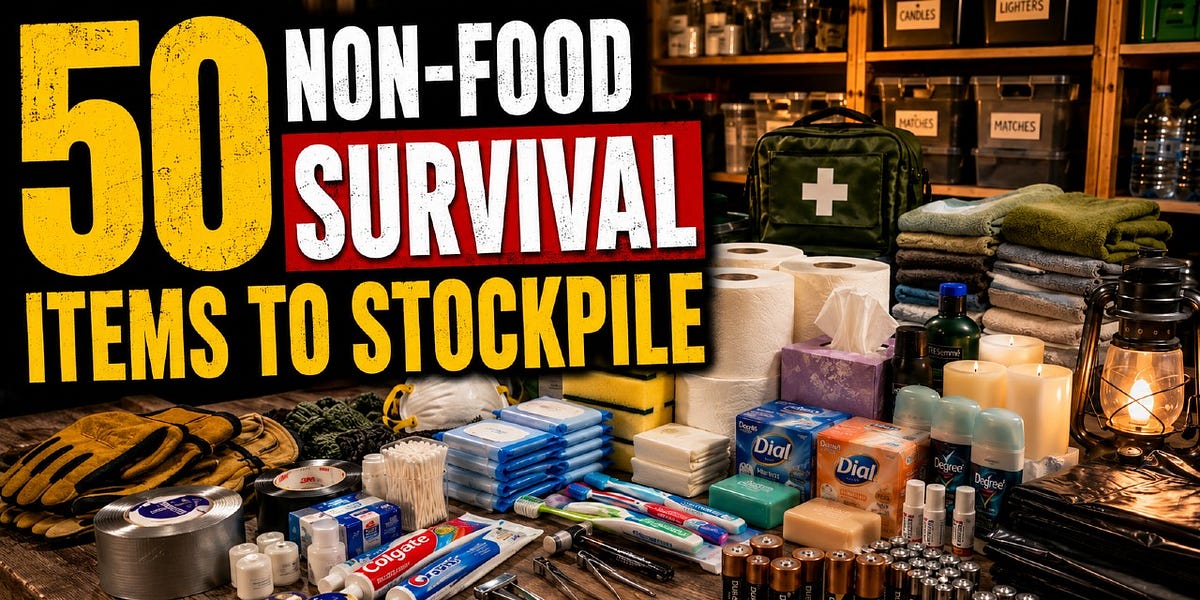

I break down why a non-food emergency stockpile matters, what categories to prioritize, and how small items can keep you safe and sane when routines break down. This piece walks through hygiene, medical, cleaning, pet and tool necessities, plus fuel and light options that often get overlooked. Read on for a practical, neutral guide to sensible items worth stashing for long-term disruptions.
When food and water grab the headlines, smaller essentials quietly become the difference between manageable chaos and misery. Personal care items preserve dignity and stop minor problems from becoming bigger ones. Stocking basics like soap, razors, and toothpaste prevents hygiene issues that sap morale and health.
Medical supplies deserve more than just a bandage box; over-the-counter meds and basic first aid gear help you treat cuts, fevers, and common ailments without a clinic visit. Antiseptics, gauze, and simple remedies for heartburn, nausea, congestion, and pain relief keep households running. Include items like calamine lotion, peroxide, and rubbing alcohol for common skin and wound care.
Cleaning and sanitation will be a lifeline during long stretches without regular services, so think beyond toilet paper to bleach, white vinegar, and garbage bags. Laundry soap and dish soap stop odors and disease from spreading in a confined space. Don’t forget cotton balls, cotton swabs, and paper towels to handle spills and minor hygiene needs.
Pet supplies are part of family preparedness, not an afterthought; pet food and kitty litter matter if animals are staying with you. Flea and tick medication keeps pets healthy and prevents infestations in the home. Pack care items and a small supply of extra pet meds to avoid last-minute panic.
Tools and hardware let you fix what breaks without waiting for a supply chain that may be down, so include nails, screws, spare parts, and duct tape. Matches, lighters, long-burning candles, and batteries provide light and basic cooking options when electricity falters. Extra filters and spare parts for water filtration gear and kitchen canners keep essential systems working.
Personal comfort items like lotion, lip balm, sunscreen, deodorant, and hair elastics support everyday life and reduce stress during extended hardship. Feminine hygiene products, disposable razors, and cosmetics for those who use them keep routines intact. Simple supplies such as toothpaste, toothbrushes, and nail clippers maintain health and morale.
Organizing supplies into categories—hygiene, medical, cleaning, tools, pet care, and light/fuel—simplifies packing and storage. Use ziplock bags, tin foil, paper plates, and disposable cutlery for practical meal prep and cleanup. Keep a small sewing kit and stationary for mending and communications when plastic solutions run low.
- Soap
- Laundry products
- Shampoo and Conditioner
- Disposable razors
- Band-Aids
- First Aid supplies
- Calamine lotion
- Dish soap
- Feminine hygiene items
- Toilet paper
- Paper towels
- Baby wipes
- Shower gel
- Cosmetics if you use them
- Coconut oil
- Peroxide
- Rubbing alcohol
- Hand sanitizer
- Bleach
- White vinegar
- Cleaning supplies
- Garbage bags
- Kitty litter
- Pet food
- Flea and tick medication for pets
- Nail clippers/files
- Lotion and moisturizer
- Sunscreen
- Extra filters and parts for your water filtration device
- Spare parts for important equipment like canners or tools
- Matches
- Lighters
- Long-burning candles
- Batteries
- Stationary/school/office supplies
- Lip balm
- Toothbrushes and toothpaste
- Sewing/mending supplies
- Hair elastics
- Over-the-counter remedies for common ailments like heartburn, nausea, congestion, coughing, and pain relief
- Insect repellant
- Deodorant
- Duct tape
- Paper plates and disposable cutlery
- Tin foil
- Ziplock bags in a variety of sizes
- Cotton balls and cotton swabs
- Hardware like nails and screws for emergency repairs
- Vitamins
- Ammo…duh!!!
Rotate supplies so nothing expires or loses effectiveness, especially medicines, peroxide, sunscreen, and batteries. Store items in clear, labeled containers to save time and reduce stress during an emergency. Small investments in spare parts and consumables pay off with a lot less scrambling when regular supply lines slow or stop.
Keep a compact checklist with your household so everyone knows what’s stored and where to find it. Regularly review needs as seasons and family situations change, and top up items that disappear faster than expected. Preparedness is less about panic and more about steady, sensible steps that protect health, comfort, and function when life gets messy.






You must be logged in to post a comment Login