
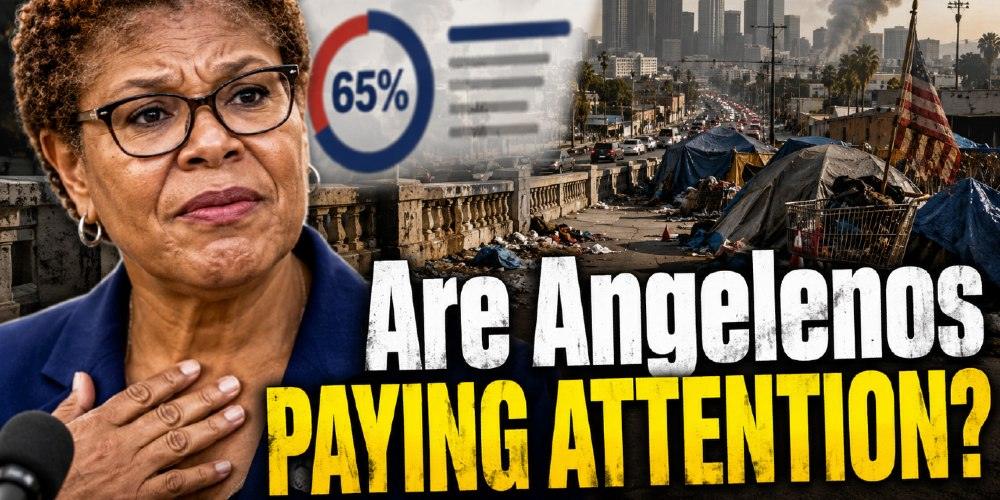

This piece looks at why Karen Bass is holding a lead in the Los Angeles mayoral race despite visible failures on wildfire response, homelessness, public safety, and infrastructure, and why a reality TV candidate like Spencer Pratt is gaining traction as voters grow fed up with the status quo.
The Emerson College poll puts Bass at 30 percent while Spencer Pratt has surged to 22 percent and Councilmember Nithya Raman lurks nearby. On the streets, tents and trash are the everyday backdrop, and many residents wonder how those scenes square with repeated promises of improvement. Voters seem to be consolidating, with undecided numbers collapsing, which suggests a harder choice is near.
The January 2025 wildfires were a turning point, and critics say the mayor’s absence abroad during the crisis made that worse. Allegations about budget fights that left firefighters short and mismanaged reservoirs have fueled a narrative of poor readiness. Opponents have leaned on those failures to argue Bass is out of touch when it matters most.
Homelessness is the yardstick people use to judge city leadership, and Bass’s pledge to clear the streets by 2026 has not materialized. Billions went toward programs like motels and Inside Safe, yet encampments remain highly visible and problems like fires and addiction persist. Some official metrics show modest declines, but many Angelenos care more about what they see daily than what the numbers claim.
Public safety is another sore point. While some crime categories dropped from pandemic highs, everyday offenses like retail theft and car break-ins keep residents uneasy. Progressive approaches that pulled back on traditional policing have collided with the reality of repeat offenders and public disorder. Even Bass found herself asking for more LAPD funding, a move that alienated parts of her base without calming worried neighborhoods.
Infrastructure complaints pile up as potholes multiply and side streets crumble. Reported diversions of federal road money toward social programs left business owners and commuters frustrated with failing roads. Candidates like Pratt have emphasized these issues because they hit voters in the wallet and in their daily routines.
So why does Bass remain competitive? Name recognition and the deep pockets of labor and Democratic insiders matter in Los Angeles politics. The media and political machine often frame setbacks as complex problems rather than leadership failures, which blunts electoral damage. Voter habits in a one-party city also make it harder for challengers to convert dissatisfaction into votes.
At the same time, the fall in undecided voters means frustration is crystallizing into real momentum for challengers. Pratt’s surge shows people are ready to voice their displeasure, even if the choice is unconventional. That momentum could force a runoff in November, where the race will be binary and much clearer.
The stakes go beyond Los Angeles. This election is a test of whether urban voters will reward results or reward continuity. When city leaders prioritize ideology and programs over basic city services, residents feel the consequences in blocked storefronts and unsafe sidewalks. The outcome here will send a message to other cities watching similar debates play out.
Many Angelenos want leaders who admit mistakes and fix them instead of spinning statistics. Accountability means clear priorities: fewer tents on sidewalks, safer streets, functioning infrastructure, and emergency services that are ready when disaster hits. That list reads like basic government, not a radical agenda, yet it is where voters measure competence every day.
The Book of Jeremiah reminds us of the consequences of poor stewardship: “And I will give you pastors according to mine heart, which shall feed you with knowledge and understanding” (Jeremiah 3:15). Faith language aside, the message is straightforward: leadership should guide, not preside over decline.
The coming weeks will force a choice between sticking with familiar leadership that has struggled or betting on change that could be messy but aimed at basic competence. For many residents tired of tents, crime, and broken streets, that choice is urgent and personal. Los Angeles will soon tell whether habit and machine politics hold or whether accountability finally finds its moment at the ballot box.




You must be logged in to post a comment Login