
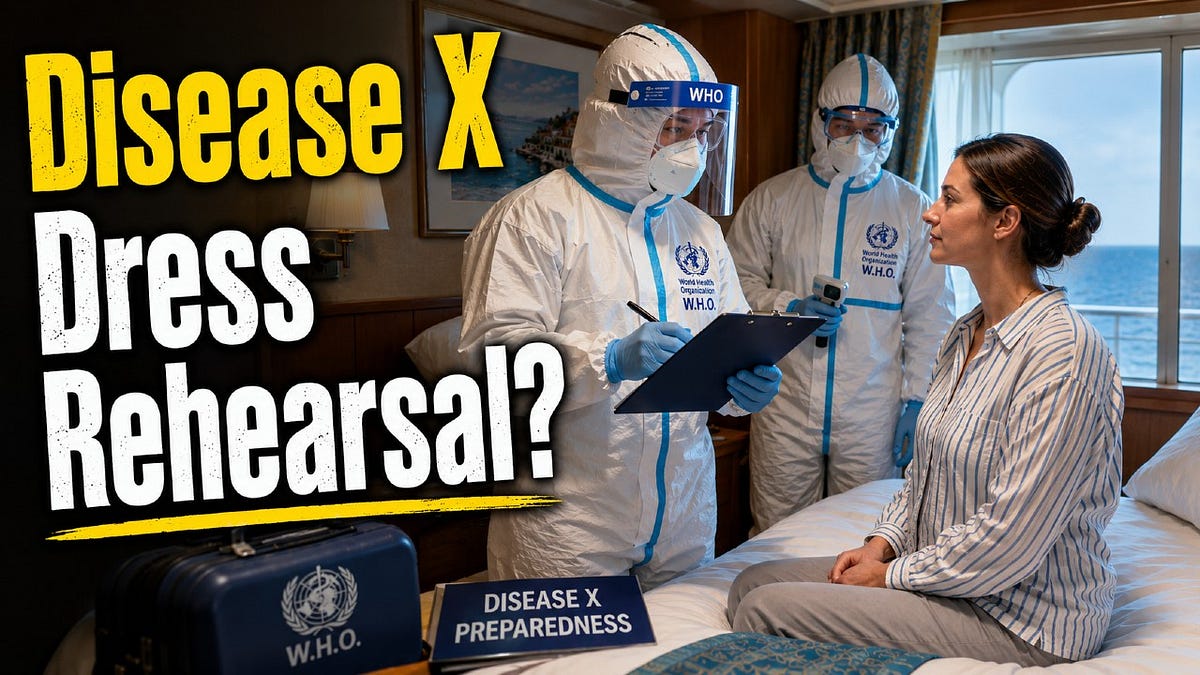

The Hondius cruise turned into an international health incident: passengers disembarked across continents after a voyage through remote islands, several people have died, a Swiss traveler was isolated in Zurich, and health agencies are pointing to the Andes hantavirus as the cause while urging calm and coordination.
What happened on that expedition vessel is straightforward to follow and hard to ignore. The ship left Ushuaia on April 1, visited Antarctic and South Atlantic stops, and continued toward Europe after being denied entry at Cape Verde. Along the way a deadly hantavirus strain surfaced, and the trail has already crossed multiple borders.
The virus identified is the Andes strain of hantavirus, the one variety known to spread from person to person. That detail matters because most hantaviruses transmit only from rodents to humans, not between people, which makes the Andes variant uniquely troubling in a mobile, international setting. Health authorities are treating confirmed cases seriously while also trying to prevent public alarm.
The World Health Organization has said there is “no need for panic or travel restrictions.” Officials have shared a plausible exposure story: a couple may have been infected before boarding during bird watching near Ushuaia. That explanation reads tidy, and international agencies are already coordinating contact tracing and patient care.
Still, the biology of this infection demands caution. Hantavirus incubation can stretch from a few days up to eight weeks, which means many passengers and their contacts could be incubating the disease without symptoms for weeks. By the time symptoms appear the passengers have dispersed into homes, airports, and cities, complicating containment and contact tracing.
One confirmed Swiss case returned home and later became ill, which highlights the stealthy timeline. With scores of passengers and crew moving through customs and flights since disembarkation, it is reasonable to expect additional cases to surface over the coming weeks. That pattern forces public health systems into a reactive posture in multiple countries at once.
From a governance angle the timing is striking. A global pandemic agreement, designed to create stronger international response frameworks, is already in place, and here a multi-country outbreak is unfolding under that architecture. For conservatives who value national sovereignty, this is a reminder to watch where authority and decision-making sit when crises cross borders.
The Andes strain is not new to science labs; it is studied precisely because of its rare human-to-human capability. That scientific attention makes it an obvious candidate for concern in a respiratory and pulmonary context, and it also makes the public conversation more technical and less familiar to most citizens. When experts explain complex risk, ordinary people deserve straightforward answers and clear boundaries on who decides and who pays for interventions.
There are plausible, non-sinister explanations for how this cluster began: a genuine local exposure, unlucky timing, and an unlucky route of travel. But legitimate skepticism about institutional power and timing is not the same as baseless conspiracy. Americans should demand transparency without surrendering to unfounded fear, especially when international agencies step into lead roles.
Watch for testing, contact tracing updates, and whether additional cases appear among family members, fellow travelers, or airport contacts. How authorities handle isolation, patient transfers, and cross-border reporting will set precedents that affect future outbreaks. Republicans and others who prioritize civil liberties should insist that measures are proportionate, time-limited, and accountable to elected institutions.
Religious language in the original reporting reminds readers that not every unseen force must be a secret plot, but it also suggests there are influences beyond the visible actors. The article quoted Ephesians 6:12 exactly as follows: “we wrestle not against flesh and blood, but against principalities, against powers, against the rulers of the darkness of this world, against spiritual wickedness in high places.” That line resonated for some observers and must remain intact in any retelling.
For now the ship is headed to Tenerife and passengers will scatter. Public health teams will collect data, nations will compare notes, and media will narrate the story. Citizens should follow reliable updates, demand clear explanations from both national health agencies and international bodies, and insist that emergency measures respect personal freedom and national authority.






You must be logged in to post a comment Login