
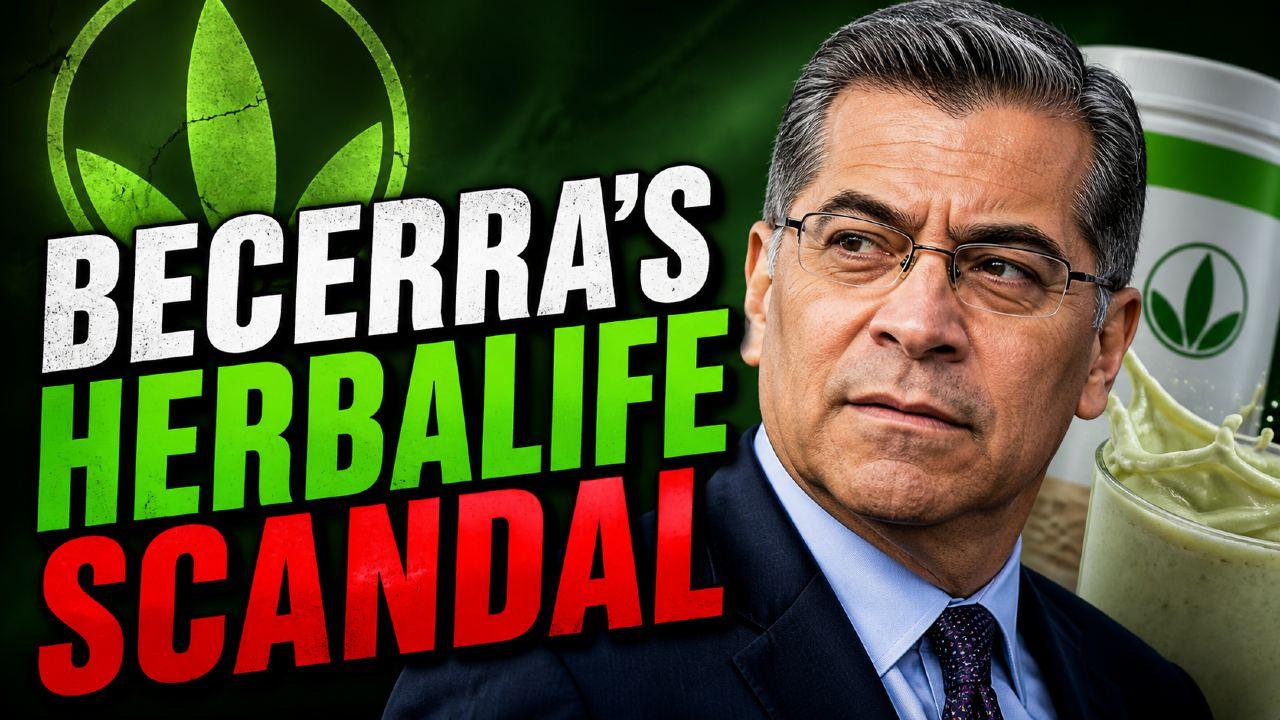

Xavier Becerra is campaigning to be California’s next governor on a narrative of immigrant grit and Latino representation, but his record on a major consumer abuse case in his own district raises sharp questions about whom he defends when big money is involved. This piece lays out what happened with Herbalife, how Becerra responded when constituents were harmed, and why that episode matters for voters deciding whether to trust him with statewide power.
Becerra’s rise from a one-room apartment to national office is central to his pitch, yet the most revealing moments of any politician are how they act in tough fights. In the early 2010s, a nutrition company operating through a distributor network built a huge presence in Latino neighborhoods, promising quick income to working families. Those promises translated into real losses for many people who invested time and savings and were left with unsold product and empty paychecks.
Herbalife’s model relied on recruitment and commissions through tiers of distributors rather than retail sales in stores, and by the early 2010s roughly 65 percent of its U.S. business was tied to Latino consumers. Hedge fund manager Bill Ackman publicly accused the company of running a pyramid scheme and spent heavily to expose the practice, while civic groups documented stories of people who drained retirement accounts chasing the dream of being their own boss. Those grassroots reports painted a clear picture of concentrated harm in neighborhoods Becerra represented.
The Federal Trade Commission eventually acted. In 2016 the agency ordered Herbalife to pay $200 million, restructure its compensation system, and compensate roughly 350,000 distributors who had suffered losses. The FTC’s filings showed that many top-ranked “sales leaders” earned almost no meaningful income, and the chair of the Commission emphasized that the focus was on deceptive practices, not labels, when describing the harms uncovered.
Herbalife moved its headquarters into Becerra’s Los Angeles congressional district in 2008 and then became a regular presence in local politics. During the 2011-2012 election cycle the company’s PAC and employees gave more than $20,000 to Becerra, a sum that made Herbalife one of his largest contributors that cycle. No other federal candidate received more from Herbalife that year, and political observers described the relationship as the kind of friendly alliance that can shape outcomes in Washington.
The most consequential intervention from Becerra did not come on the floor of Congress or via a policy paper; it was the internal work to blunt pressure from colleagues. When members of the Congressional Hispanic Caucus were collecting signatures to urge the FTC to investigate, Becerra counseled patience and urged others not to sign until “all the facts” were in. That quiet gatekeeping quelled momentum at a moment when constituents and civic groups were already sounding the alarm loudly.
The FTC’s later findings confirmed much of what activists and local reporters had documented, and the agency’s settlement dismantled the compensation structure that critics had singled out. Hundreds of thousands of refund checks went out, and many of the recipients were Latino households in neighborhoods like Boyle Heights, the very communities Becerra had been elected to protect. The contrast between the political cover he provided and the relief later demanded by federal regulators is striking.
This episode looks less like a single misstep and more like a pattern when set beside other controversies linked to Becerra’s tenure. Reporting alleged that close aides siphoned substantial campaign funds over a multi-year period, and campaign finance practices raised eyebrows for their cost and opacity. At Health and Human Services, critics argued Becerra was not fully present for key public health challenges, and the agency’s handling of outbreaks and long-term custody of migrant children drew serious scrutiny.
Voters should judge politicians by pressure tests, not speeches. The Herbalife moment was a test of allegiance: a documented pattern of local harm versus a company that had become a political donor in his district. Becerra chose to tamp down the investigation, and that decision favored the payor over the neighborhood families who reported losses.
There is a moral frame to this that some voters will find familiar and compelling. Isaiah warned of leaders who put gifts and rewards before justice, and that language lands hard when elected officials protect contributors instead of constituents. Thy princes are rebellious, and companions of thieves: every one loveth gifts, and followeth after rewards: they judge not the fatherless, neither doth the cause of the widow come unto them.
Becerra is now asking California’s Latino voters to place him in charge of the largest state government in the country. The key data point for those deciding is what he did when confronted with a clear concentration of harm in his own backyard and when a donor stood on the other side of the fight. That record is what voters will, reasonably, use to make their choice at the ballot box.




You must be logged in to post a comment Login