
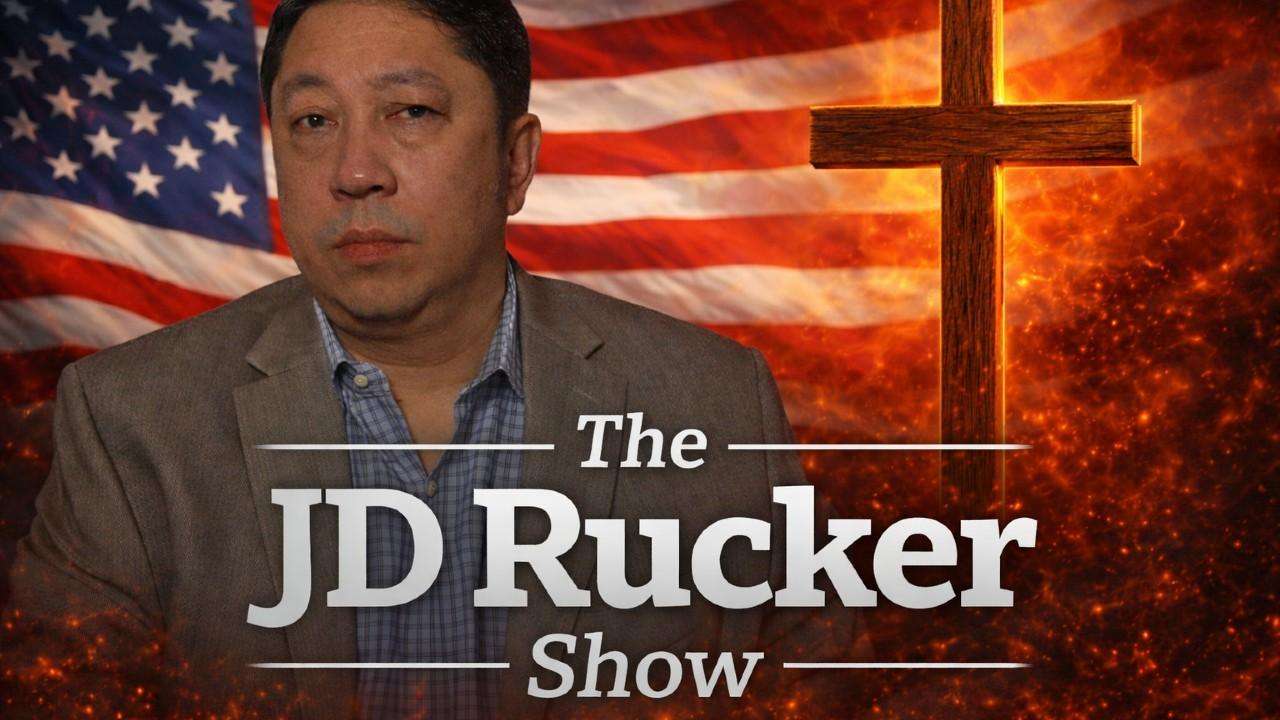

This piece looks at three headlines buzzing around: a young Democratic congressman surprised by a packed Black church of licensed drivers, the White House pushing back against a tabloid story about Pam Bondi and Eric Swalwell, and a sobering list of likely disasters most Americans ignore. I’ll call out the tone-deaf moments, the media circus, and what real preparedness looks like from a commonsense perspective. Read straight-talk analysis with a conservative lens that favors individual responsibility and local resilience.
When a Democratic congressman acts shocked that a Black church congregation carries driver’s licenses, it exposes more about elite assumptions than about the people in that pew. Folks who live in these communities have always managed day-to-day responsibilities—driving, working, raising kids—without celebrity commentary. The surprised reaction reads like a learned helplessness test, the kind of paternalism voters on the right push back against hard.
That kind of public surprise from someone in office deserves a little scrutiny, because words from Washington carry weight and shape policy. Instead of framing communities as perpetual victims, leaders should acknowledge their competence and strength. Conservatives want recognition for self-reliance, not patronizing headlines that reduce citizens to caricatures.
On the Pam Bondi story, the White House issued a flat denial of a tabloid claim that she leaked plans to Eric Swalwell, and that denial should be handled like any other firm rebuttal. Not every salacious headline deserves equal airtime, especially when the outlet in question trades in gossip and timing looks convenient. The broader point is that politically motivated rumors swirl all the time, and they’re often aimed at distracting people from real debates about policy and security.
Voters deserve better than rumor mills and innuendo; they deserve facts and accountability. When a claim attacks a public figure, we should want evidence, not theatrics, and we should be wary of outlets that run with clickbait instead of careful reporting. A healthy skepticism about sources is a conservative virtue, because it protects civil discourse and honest governance.
The list of the five most likely disasters that will be ignored until it’s too late is an uncomfortable wake-up call. Whether it’s infrastructure failure, cyberattacks, supply-chain breakdowns, extreme weather, or local civil unrest, the pattern is the same: short-term convenience beats long-term readiness. Washington can pontificate, but it’s often neighbors, churches, and small businesses that are first responders when systems falter.
That’s why conservatives emphasize local solutions and personal preparedness over top-down dependency. Stocking basic supplies, knowing your routes, and building community networks are practical moves that cost little and pay dividends when trouble hits. Government has a role in coordinating, but it can’t be everywhere at once; citizens must take the lead in protecting their families and towns.
All three of these stories point to a single, simple lesson: respect the ordinary competence of Americans and stop treating crises like entertainment. When politicians or media reduce people to stereotypes, it corrodes trust and drives polarization. A mindset that encourages responsibility, neighborly aid, and skepticism toward sloppy reporting makes communities stronger and politics less toxic.
Actionable steps are straightforward: follow verified information, prepare with common-sense supplies and plans, and invest in local institutions that actually serve people when the shelves go bare. Encourage leaders who uplift citizen initiative instead of peddling helplessness, and demand clarity when officials or outlets make explosive claims. That’s the conservative case for dignity, readiness, and honest public life.
None of this requires grand policy theater—just respect for people who meet obligations every day, insistence on solid evidence when accusations fly, and a practical approach to risks most people choose to ignore. If communities keep those basics in mind, they’ll be ready for whatever comes next without waiting for Washington to catch up.





You must be logged in to post a comment Login