
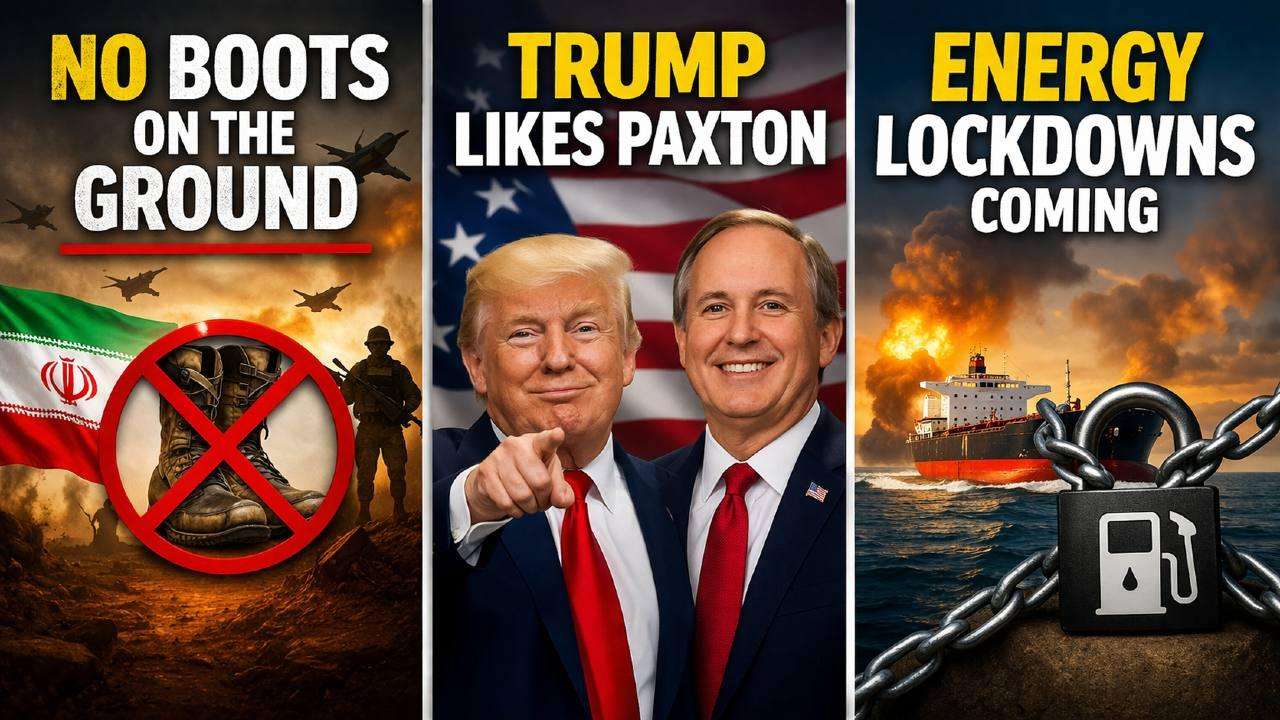

The coming fight over foreign deployments, high-profile endorsements, and energy policy will shape how voters show up at the polls. This piece makes the case that sending U.S. forces into long ground wars would be a political disaster, explains why a Trump nod for Ken Paxton matters to grassroots Republicans, and argues that heavy-handed energy restrictions are a recipe for backlash. Read on for a clear, plainspoken view from the conservative side.
Deploying boots overseas is not just a military decision, it is a political one that affects families and livelihoods back home. Voters care about whether their sons and daughters come back, and they judge leaders who make those calls. Any plan that looks like an open-ended ground commitment hands a powerful talking point to opponents and scares swing voters who prefer stability.
At the ballot box, perception matters more than abstract strategy. When a party is seen as reckless with American lives and treasure, it erodes trust and turnout among crucial suburban and working-class voters. Republicans should remember that restraint on foreign entanglement has been a winning message for years and should remain central to campaigning.
Endorsements still move the needle inside the GOP, and a presidential nod carries real weight with the base. Donald Trump’s backing can rally volunteers, boost fundraising, and consolidate support in crowded primary fields. For a candidate like Ken Paxton, firm MAGA backing signals that the grassroots are engaged and that the party is prioritizing loyalty to conservative principles.
Supporters see Paxton as a fighter against an entrenched establishment, and Trump’s stamp of approval frames that narrative for many voters. The politics here are straightforward: show strength, hold the line on law and order, and energize the base. That kind of momentum matters in a state where turnout and enthusiasm determine close races.
Policy choices on energy are equally potent and very tangible to everyday Americans. Rules that choke off domestic production or make power more expensive hit working families first and intensify anger at Washington. A natural gas plant closing or higher gasoline bills are visible, immediate consequences that shape how voters judge elected officials.
Calling for energy independence and common-sense regulations is not just ideology, it is practical politics. Voters reward leaders who protect jobs, keep factories running, and deliver affordable power to homes and farms. Any party that embraces policies perceived as an “energy lockdown” risks being painted as out of touch with economic realities.
The link between foreign policy, endorsements, and energy policy is simple: each affects the day-to-day lives of voters and their willingness to support incumbents. When elites opt for risky military projects, unpopular energy mandates, or ignore the grassroots, they create openings for opposition messaging. Republicans should use that fact to press for clear, responsible alternatives that appeal to a broad coalition.
Trump-style endorsements and a focus on energy freedom offer a way to flip concerns into momentum without alienating decent, skeptical Americans. Standing for secure borders, reliable energy, and measured foreign commitments gives voters a concrete contrast. That approach wins elections because it meets real needs rather than chasing abstract policy experiments.
Leaders who want durable majorities will listen to middle America and act accordingly, not double down on policies that feed anger and fear. The party’s choices now will ripple into the next midterms, so picking restraint, backing strong conservative champions, and protecting energy jobs is both principled and pragmatic.




You must be logged in to post a comment Login