
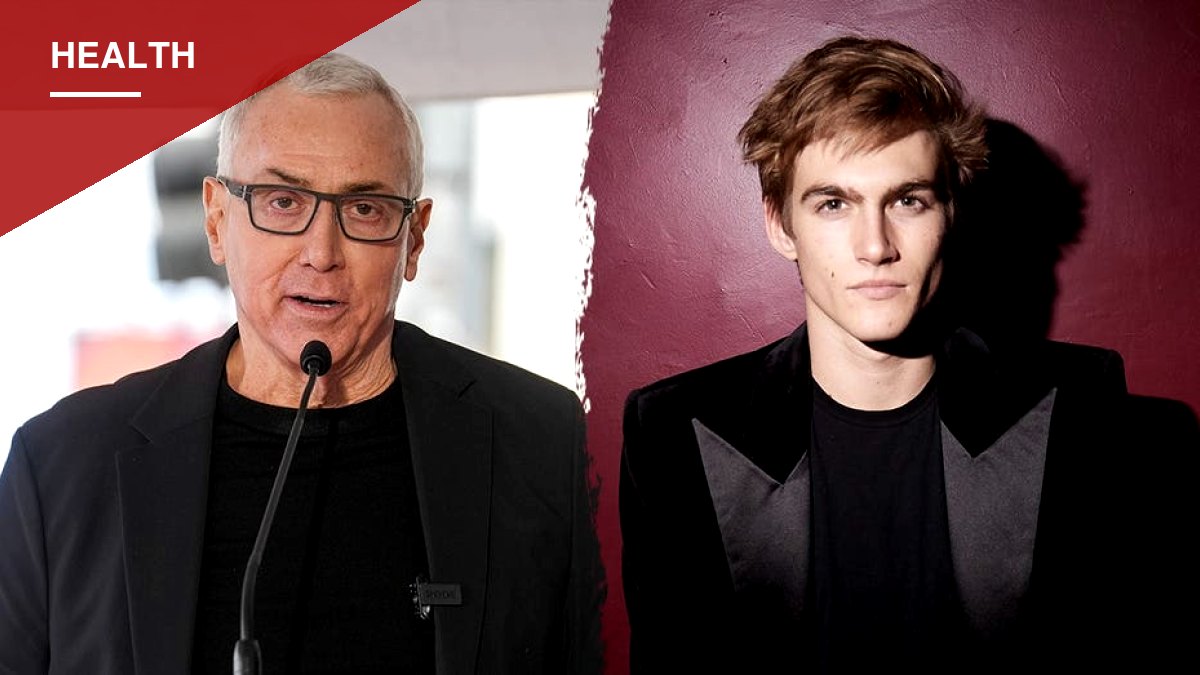

The death of Presley Gerber, 27, at a California rehabilitation facility on Sunday has prompted addiction specialists to question whether patients struggling with severe substance use disorder are being allowed too much control over their own treatment.
Gerber, the son of supermodel Cindy Crawford, died at the facility amid what emergency dispatch logs describe as a call for a suspected overdose and cardiac arrest. Toxicology results from the Los Angeles County Medical Examiner’s Office remain pending.
Dr. Drew Pinsky, an addiction specialist, addressed the case on his podcast “Ask Dr. Drew,” saying he was troubled by a video in which Gerber discussed his own care.
“When I listened to [Gerber’s] video, what struck me and concerned me was that the patient seemed to be determining some of the care,” Pinsky said. “That’s never good.”
Pinsky pointed to Gerber’s self-reported trip to Mexico for what he described as an “ibogaine flood” — a high-dose administration of ibogaine, a psychoactive compound derived from an African shrub. Ibogaine has been studied as a possible treatment for substance use disorders but is not approved by the Food and Drug Administration and remains a Schedule I substance in the United States, in part because of documented risks of fatal heart arrhythmias.
“I’ve had patients using ibogaine or ayahuasca for decades, and there’s nothing magic about it, I assure you,” Pinsky said, adding that nearly every patient he has treated who tried the substance eventually relapsed on opioids, sometimes with lasting personality changes.
Pinsky said Gerber’s case illustrates a broader problem in addiction treatment: patients with severe substance use disorder sometimes bypass established medical protocols in favor of unproven alternative therapies.
He also cautioned against the assumption that access to high-end treatment guarantees recovery.
“Opioid addiction is progressive and it ends in death,” Pinsky said. “Even with good treatment, it has a worse prognosis than most cancers … If they are not moving toward recovery, they are moving toward demise.”
Dr. Nicholas Kardaris, an addiction expert and CEO of the New York Center for Living, said the period during or shortly after rehab is often the most dangerous stretch for a patient in recovery.
“People are in rehab because they’re struggling with addiction. It doesn’t mean they’re cured,” Kardaris said, noting that a relapse after a stint in treatment can prove fatal because a patient’s tolerance has dropped, turning a familiar dose into a lethal one.
Medical experts continue to urge families seeking help for loved ones to pursue evidence-based treatment from qualified providers, including FDA-approved medications for opioid use disorder such as buprenorphine, methadone and naltrexone where appropriate.






You must be logged in to post a comment Login