
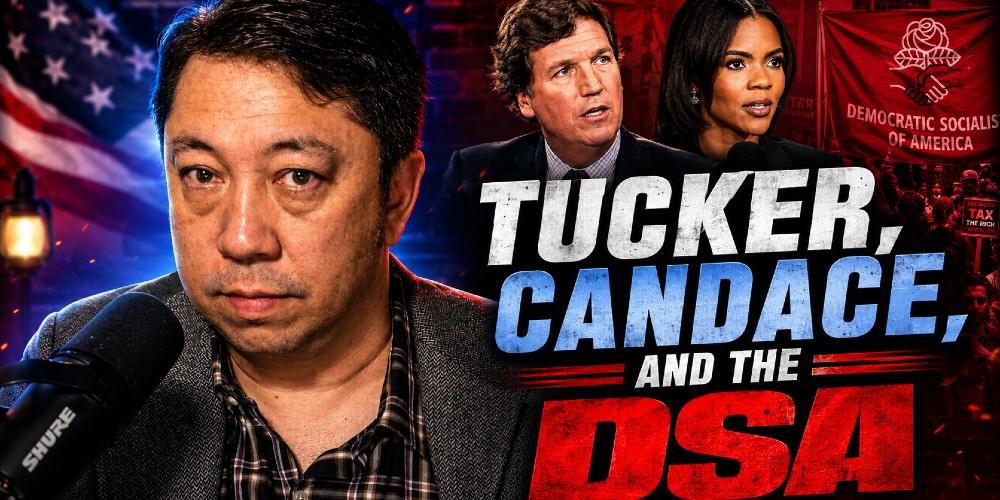

This piece takes a hard look at three forces reshaping our politics: the Democratic Socialists of America, Tucker Carlson, and Candace Owens. I argue that the DSA has become a strategic threat to mainstream politics, that Tucker poses risks to the conservative coalition, and that Candace Owens operates in a way that advances her own brand. It’s a no-holds-barred episode today.
The Democratic Socialists of America are not fringe activists wandering powerless city streets. They win primaries in winnable districts and then bring radical policy agendas into legislatures that shape budgets, education, and public safety. From a Republican standpoint the danger is clear: slow, steady replacement of pragmatic conservatives with ideologues who think government can solve everything by expanding itself.
Winning primaries matters because primary voters pick the direction of the party long before general elections arrive. When safe districts elect avowed socialists, the incentives change for everyone from mayors to school boards. That shift translates into policy wins that feel small at first but become the new normal over time.
Conservatives need to treat this as a long game and not a series of outrage cycles. Winning back the conversation means recruiting strong candidates for primaries, investing in local races, and making sure the record of socialist governance is easy to understand for voters. Simple, relentless messaging about taxes, choice, and personal liberty wins where ideological confusion lingers.
Tucker Carlson is a different kind of problem for the conservative movement because he is both influential and unpredictable. He commands attention, and attention without constructive direction can erode institutions we depend on. For many grassroots voters his tone and takes feel like authenticity, but authenticity that ignores discipline can wind up fracturing electoral coalitions.
There is a real tradeoff between media celebrity and movement building, and Carlson often tilts toward spectacle rather than steady groundwork. When we celebrate every viral moment instead of focusing on infrastructure, we let the left set the terms in places that actually decide elections. Republicans should prize message discipline and candidate quality over short-term ratings wins.
Candace Owens plays a different role, one that squarely benefits herself. Her rallies and social media talent are real assets when they push conservative ideas and encourage turnout. At the same time, politicians and pundits who primarily burnish their personal brand can distract from the steady work of building policy, electing officials, and holding officeholders accountable.
That tension does not mean Owens has no value; it means voters and leaders should be clear-eyed about function and motive. Energy is useful, especially among younger voters who need a reason to show up at the polls. But motives matter when movement momentum is turned into headlines rather than durable institutions.
If Republicans want a winning strategy they need to treat each of these elements differently and with purpose. Fight the DSA in the trenches of local politics where policy is actually made, and make sure the messaging ties back to everyday costs that voters understand. Manage influential media figures by channeling their reach toward concrete electoral goals instead of letting each viral moment become a substitute for organizing.
We can be grateful for bold voices and unsparing critics, but gratitude should not replace strategy. Conservatism wins when it defends institutions, recruits disciplined candidates, and communicates clearly about tax policy, safety, education, and opportunity. That pragmatic approach is the best antidote to both the calculated rise of socialism and the chaotic allure of celebrity politics.




You must be logged in to post a comment Login