
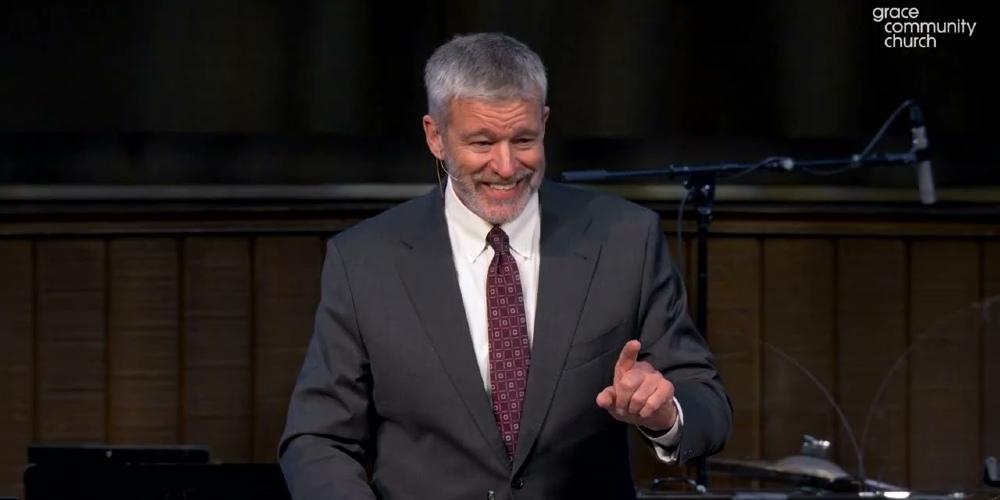

At a Shepherds Conference in Sun Valley, Paul Washer asked a blunt, lifelong question about spiritual readiness and illustrated it with a visit to John MacArthur near the end of his life, pressing pastors to examine souls and return to the disciplines John’s first epistle insists reveal genuine faith.
Paul Washer opened his talk by naming the question every person will one day face and by sharing a private moment with a senior pastor approaching the end of life. Washer recalled walking into MacArthur’s room and asking directly, “Dr. MacArthur, is it well with your soul? Are you reading the Word? Talk to me about your prayer life. How is your communion with Christ?” The older pastor answered, “I am so glad you asked.” That exchange anchored the whole sermon.
The anecdote reads like a challenge to a church culture that often avoids frank spiritual accounting. Two ministry veterans, each shaped by decades of pulpit ministry, took the kind of interpersonal risk most today will not. The question itself is simple, but the willingness to ask and to receive it honestly has become rare.
Washer preached from 1 John, a letter he treated as a practical checklist for spiritual life rather than pious sentiment. John writes, “If we say that we have fellowship with him, and walk in darkness, we lie, and do not the truth.” He presses the point again: “He that saith, I know him, and keepeth not his commandments, is a liar, and the truth is not in him.” And still again, “Hereby we do know that we know him, if we keep his commandments.” The repetition is diagnostic.
The apostle’s aim is clear: assurance is not a one-time event or a certificate; it is the traceable shape of a life that walks in the light. Confession, obedience, and love for others function as indicators of genuine conversion rather than legalistic scorekeeping. The evidence John points to is the steady pattern of discipleship that emerges from a transformed heart.
Washer warned that contemporary presentations of the gospel have drifted in ways that make his questions sound foreign. The older, historic gospel framed holiness, sin, and repentance as central; modern iterations often emphasize affirmation, therapy, and self-realization instead. As a result, topics like sanctification and communal examination have been minimized in many congregational routines.
That shift has practical consequences in pews and pastoral practice. People can sign a card or make a public profession and then never be seriously asked about the ongoing reality of their spiritual life. A culture that prizes private comfort over communal truth leaves many unexamined and unhelped, and pastors who avoid hard questions abdicate a core shepherding responsibility.
Washer used his visit with MacArthur to model a different posture: pastoral friendship that risks awkwardness to serve the soul. He described not a pat on the back but a brother who asked the hard questions out of love and concern, and a man who received the confrontation as a gift. That sort of relationship, Washer suggested, should be normal among those charged with spiritual oversight.
The New Testament offers similar counsel about intervening love. James reminds the church that “he which converteth the sinner from the error of his way shall save a soul from death, and shall hide a multitude of sins.” The passage underscores the life-and-death stakes of genuinely caring enough to confront and restore.
Washer tied the urgency of the question to the wider social moment without turning the sermon into social commentary. He noted patterns—rising loneliness, young people leaving religious identity, institutions faltering—that make honest spiritual inquiry more important, not less. In that context, the biblical warning in Hebrews lands with gravity: “It is appointed unto men once to die, but after this the judgment.”
The practical takeaways he urged were straightforward and unglamorous: read 1 John carefully, let its tests search the heart, confess what is revealed, and cultivate relationships where the question can be asked and received. Pastors and laypeople alike were urged to make these practices regular, not reserved for crisis or the bedside.
Washer concluded by pointing to long obedience rather than last-minute rescue, noting that MacArthur’s calm stemmed from a lifetime of reading, praying, and trusting, not a hurried deathbed performance. The prophet’s word stands as an invitation: “Ye shall seek me, and find me, when ye shall search for me with all your heart.” The question remains for every listener and every church leader: Is it well with your soul?






You must be logged in to post a comment Login