
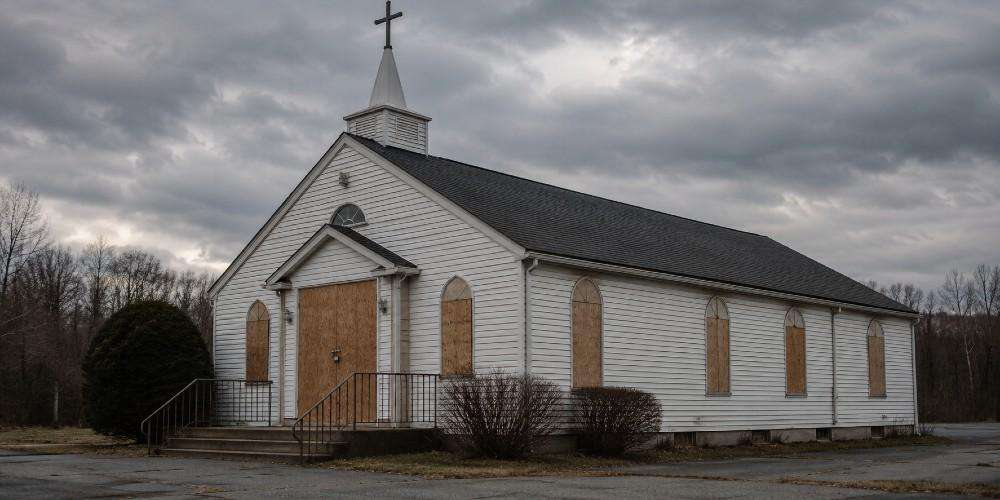

The data is stark: seminaries are emptying, thousands of churches are shutting their doors, and the pool of men answering a call to ministry is shrinking fast. This article looks at the facts behind the decline, the real community losses that follow, the cultural forces at play, and practical steps Christians can take to rebuild a healthy leadership pipeline. It argues that this crisis is not just organizational but civic, and that renewal depends on bold faith and intentional cultural formation.
Call it a collapsing pastor pipeline if you like; the shortage goes deeper than vacancies on a bulletin. When fewer men see ministry as a worthy life, entire communities lose steady moral leadership and predictable care. That absence changes how neighborhoods respond to need and how families pass on convictions to the next generation.
Numbers tell a clear story: Master of Divinity enrollment at accredited schools fell 14 percent from 2020 to 2024, Catholic seminaries saw notable drops last year, and Black Protestant seminaries have experienced a 31 percent decline since 2000. Add to that surveys showing more than 40 percent of clergy seriously considered quitting since the pandemic and reports that roughly 15,000 churches closed in a recent year. Those statistics are not abstract; they mark real gaps in leadership and ministry capacity.
The human cost moves beyond statistics into everyday life. Rural towns lose far more than Sunday worship when a pastor leaves: food banks, disaster response, and elder care networks often evaporate with the church’s decline. Urban and minority neighborhoods see Catholic and Black parishes consolidating or shuttering, removing anchors that once offered stability and mutual aid. When a local pastor disappears without replacement, informal systems of support dissolve in ways government programs struggle to replicate.
Liberal mainline denominations, having reshaped themselves to match cultural fashions, are suffering steepest losses. Seminaries tied to that accommodation are bleeding students while pews sit empty. Young men with conviction are unlikely to devote their lives to institutions that seem embarrassed by long-held doctrines or eager to chase the latest political trend.
That said, conservative circles are not immune. Pastoral ministry has become riskier and less sustainable for many families. Lower compensation, the strain of managing shrinking congregations, and a culture quick to cancel or punish dissent make ministry a costly calling. Political polarization and public scrutiny often turn sanctuaries into arenas instead of places for restoration and teaching.
Catholic dioceses have begun recruiting priests from Africa and Asia to fill gaps, a striking inversion of earlier missionary flows. Pentecostal and some evangelical networks still report pockets of growth, but leaders there warn the pipeline shows strain as well. The broader pattern suggests a long-term cultural shift driven by schooling, media, and institutions that increasingly treat faith as optional or private at best.
The root causes are cultural and familial. Declining birth rates, weakened family formation, and a public culture that often mocks chastity and elevates personal autonomy over duty erode the pool of young men willing to sacrifice for ministry. If society trains children to prize comfort and self-expression above service and conviction, churches will struggle to produce vocations in any numbers.
That reality, however, opens a space for renewal. Congregations that preach boldly, practice discipline, and prioritize sacrificial discipleship still attract committed people. The fix is not slick marketing or watering down doctrine but investing in formation—the slow, patient work of raising sons and mentoring young men toward a life of service. As Scripture urges, “The harvest truly is plenteous, but the labourers are few; Pray ye therefore the Lord of the harvest, that he will send forth labourers into his harvest.”
Practical action starts at home and in local churches: pray for vocations, support seminaries that hold to historic teaching, and cultivate a culture that esteems sacrifice over comfort. Encourage young men with purposeful discipleship, provide sustainable pathways into ministry, and refuse to treat pastoral work as a last resort. The signs are grim, but determined faithfulness can rebuild the leadership pipeline where institutions alone cannot.





You must be logged in to post a comment Login