
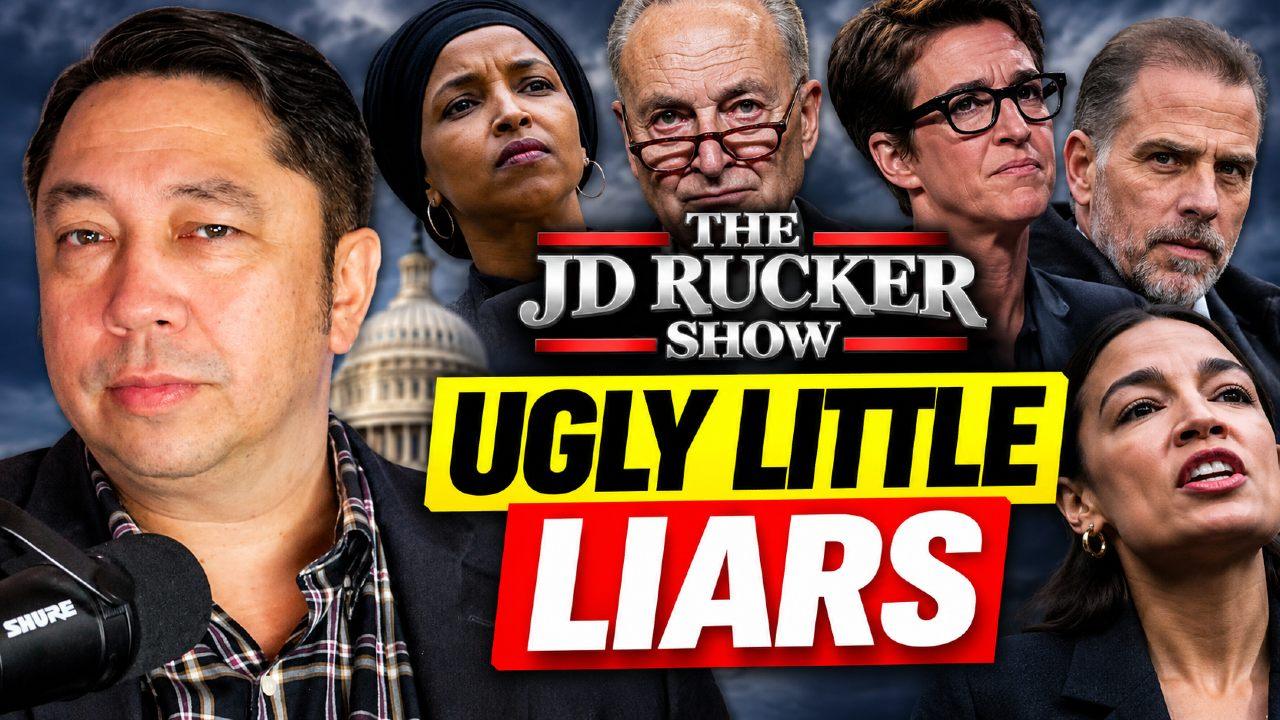

This piece lays out a blunt, point-by-point case that Democrats routinely build policy on false premises and rhetorical theater, using twelve vivid examples to show how those falsehoods drive real-world consequences. The tone is direct and unsparing, arguing that the pattern is systemic rather than occasional, and that voters deserve a clear account of the mismatch between claims and facts. Each example focuses on the claim, the evidence that undercuts it, and the practical outcomes that follow when policy is made on illusion. Read it as a catalog of political theater that has policy costs.
“Ye are of your father the devil, and the lusts of your father ye will do. He was a murderer from the beginning, and abode not in the truth, because there is no truth in him. When he speaketh a lie, he speaketh of his own: for he is a liar, and the father of it.”
Democrats insist parents directing education are a danger while defending a government school monopoly. The data from homeschooling and charter research repeatedly shows those students often outscore peers, with charters producing notable gains for disadvantaged children. Yet political defense of the system protects unions and power, not student outcomes, and that gap matters for families stuck with failing schools.
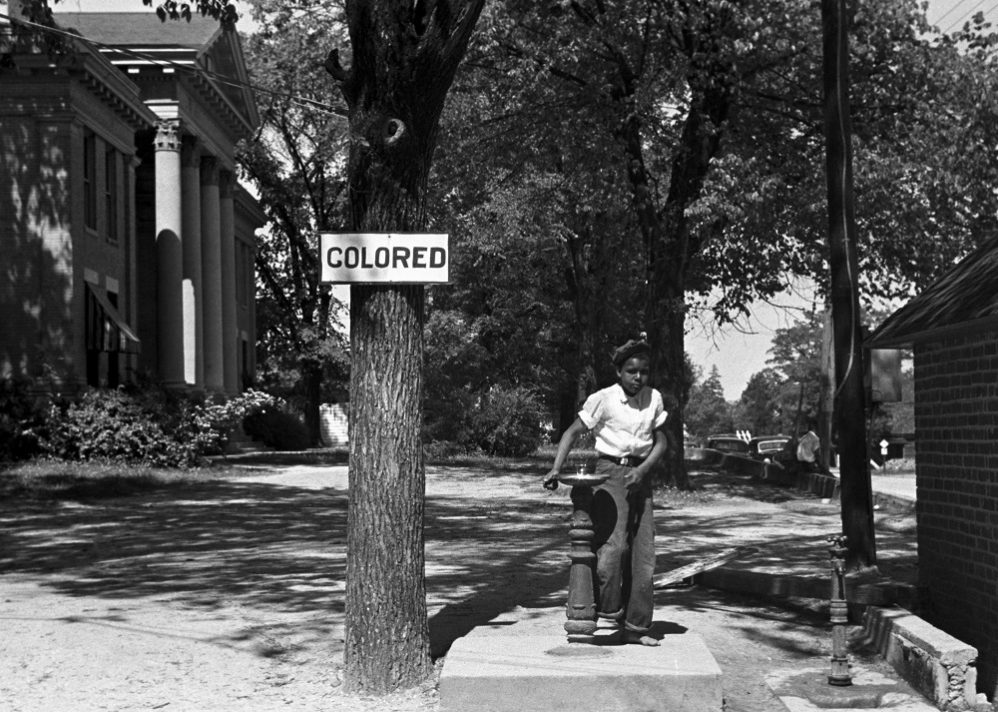
The charge that voter ID equals “Jim Crow 2.0” is loud but historically hollow, and it insults actual suffering under Jim Crow. Rigorous studies find little evidence that ID laws reduce turnout by race, and majorities across demographics back basic identification at the polls. Tossing out ID as racist is a political ploy to keep elections easy to manipulate, not a principled defense of enfranchisement.
Ilhan Omar’s public record is full of shifting stories and denials that have invited scrutiny and revived investigations. She minimized 9/11 in a phrase critics seized on when she said “some people did something,” and questions about marriage, identity, and campaign ties have followed her career. Those patterns of evasive answers and legal probes make a clear narrative about credibility, regardless of how sympathetic the media framing may be.
When fifty-one former intelligence officials called Hunter Biden’s laptop suspicious, the line functioned as a political screen that shut down legitimate reporting. The laptop turned out to be authentic and detailed interactions that raised real questions about influence and family business. Using intelligence-sounding assertions to bury an inconvenient story worked as censorship, not as careful inquiry.
The administration’s repeated claim that the southern border was secure did not match the wave of encounters, fentanyl flows, and mass crossings recorded year after year. Cities declared emergencies and communities saw strained services, yet the talking points insisted stability had been restored. That mismatch between rhetoric and reality created real dangers and eroded public trust.
Promises that inflation would be “transitory” were sold as reassurance while families endured sharp price increases on groceries, rent, and energy. Economists warning of overheating were dismissed, and policy choices amplified the pain for working people. Redefining or downplaying the problem did not help households that watched budgets tighten month after month.
Officials claimed vaccines would halt transmission and justify sweeping mandates that cost jobs and freedom of movement. Later admissions clarified that the primary benefit was reducing severe illness, not sterilizing immunity, and policy shifted while people were punished. That initial certainty mattered because it shaped shutdowns, firings, and school closures on the basis of an overstated promise.
The “mostly peaceful” framing of the 2020 unrest became a media mantra while footage and insurance tallies told a different story of arson, looting, and deadly violence. Calling the chaos righteous protest while cities burned created a double standard on law and order that resonated with voters. Glossing over the damage did not make it disappear for business owners and neighborhoods left to rebuild.
On competition in women’s sports, activists insist biology can be ignored while results show repeated advantages for male-bodied athletes in female categories. Physical changes from male puberty—larger frames, greater muscle mass, and bone density—create competitive gaps that hormone treatments do not fully erase. Treating fairness objections as bigotry punishes women who want a level playing field.
The slogan to “defund the police” promised public safety through other means, but in places where budgets were slashed violent crime surged and elected officials had to backtrack. Minneapolis and Portland are cautionary tales about policy made from slogans instead of outcomes. Voters felt the consequences in rising homicides and a palpable drop in community security.
Charlottesville was reframed by opponents as proof of a simple moral failing, even though the president condemned extremists and also said there were “very fine people on both sides” in a complex dispute over monuments. Truncating context into a single accusation turned a nuanced moment into a political weapon. The durability of that claim shows how a simplified narrative can outlast factual clarity.
Climate rhetoric from some quarters treats net zero as an immediate moral imperative that justifies sweeping energy transformations and economic pain for working people. Alarmist predictions repeated for decades have often proven exaggerated in timing, and policy choices sometimes block pragmatic solutions like nuclear while hobbling reliable power. When policy becomes moral theater, the practical costs fall on ordinary families and developing nations denied realistic pathways to prosperity.




You must be logged in to post a comment Login