
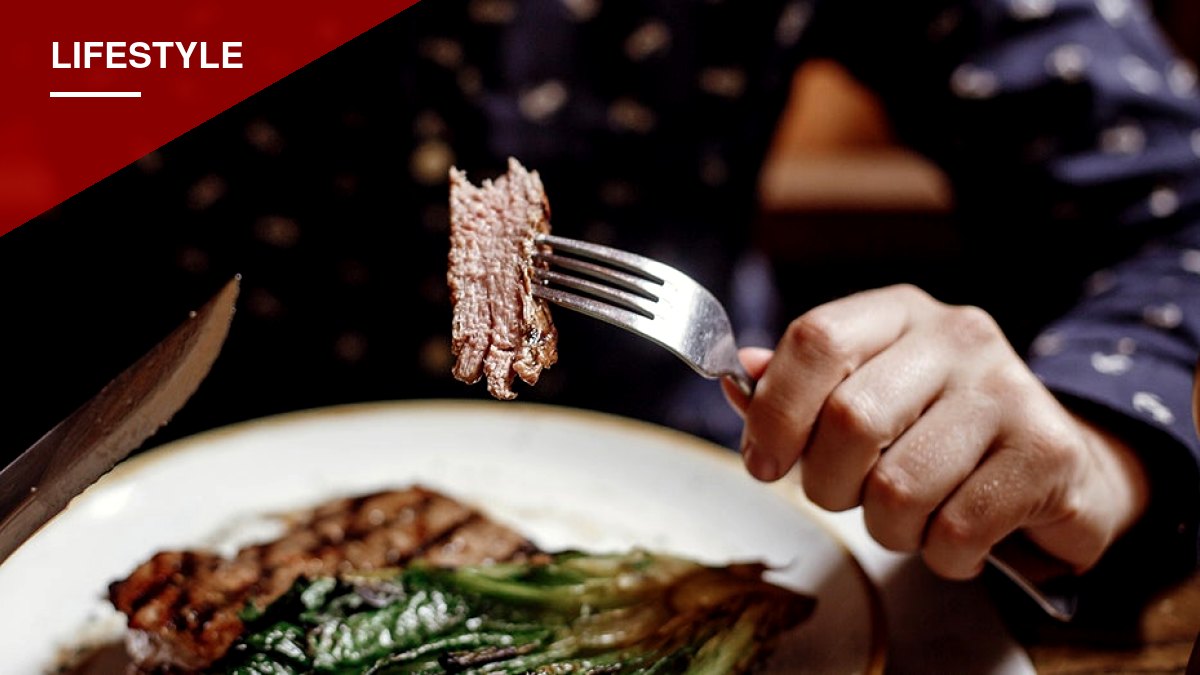

A viral complaint from an Illinois diner has put a spotlight on a question many restaurant patrons can’t answer for themselves: how do you know if the steak on your plate is actually the cut you ordered and paid for?
The Illinois man said Texas Roadhouse served him a cheaper sirloin instead of a filet mignon on three separate visits. The chain confirmed only one of those incidents and said its management corrected it at the time. But the story resonated widely online, in part because so many diners admitted they wouldn’t be able to tell the difference between a sirloin and a filet mignon if it were put in front of them.
Fox News Digital asked meat experts to explain what distinguishes popular steak cuts, how to read confusing menu language, and what questions to ask a server if something seems off.
The ‘holy trinity’ of steaks
Katie Flannery, a third-generation butcher at Flannery Beef in Northern California, describes filet mignon, rib-eye and New York strip as the three cuts most diners choose among, depending on what they value most in a steak.
Filet mignon comes from a muscle that does little work, which makes it tender but gives it less inherent flavor than other cuts. It’s also typically the most expensive option, since only a small portion of beef from each animal qualifies.
For diners who want a beefier taste, Flannery recommends the rib-eye, though she notes it comes with a tradeoff. “Just know it’ll have a little bit more chew than a filet,” she said.
John Tesar, executive chef of Palladino’s Steak & Seafood in New York City and Dallas, said the rib-eye has a tender center ringed by a more flavorful, sturdier outer section. “You get a tender inner circle and a sturdier, more flavorful outside, all supported by fat,” he said.
A New York strip is identifiable by a band of fat along one side and has a heartier texture than the other two cuts. Flannery said it carries less flavor than a rib-eye and, depending on grade, can be chewier than a filet.
Then there’s the porterhouse, which combines a New York strip and a filet on a single bone and is often sized to be shared.
Menu language can mislead
Experts say some menu terms are designed to create confusion. A “sirloin filet,” for example, may simply be a cut of sirloin shaped to resemble filet mignon. Sirloin comes from the hip and rump — muscles that get more use — making it less tender than true filet.
U.S. Department of Agriculture grades offer another way to judge quality. The grades — Prime, Choice and Select — reflect marbling, the flecks of fat within the muscle that affect flavor and tenderness. Filet, rib-eye, New York strip and sirloin can all come from any of the three grades, since the USDA grades the whole carcass rather than individual cuts. Grading is voluntary, meaning some beef sold in restaurants is ungraded altogether.
According to Flannery, roughly 10% of graded cattle earn the top Prime designation, while about 70% qualify as Choice. “Fat is flavor, honestly,” she said.
Marbling isn’t the only factor in tenderness, though. “The more the muscle moved in the animal’s lifetime, the tougher it is,” Flannery said. Aging methods matter too — both wet- and dry-aging can improve tenderness, while dry-aging also concentrates flavor. Wet-aging, in which beef is vacuum-sealed and refrigerated, is so common that Flannery said it isn’t really a special selling point. “Pretty much everybody does wet-aging,” she said.
What to look for on the plate
Tesar said filet mignon is typically thick and round, while a rib-eye has a distinctive outer section known as the rib cap, or spinalis. Flannery added that raw cuts offer more visual clues: filet has finer muscle fibers, while sirloin shows a more visible grain. The catch is that sirloin can be shaped into a rounded “baseball” cut that closely resembles filet mignon, making the two easy to confuse.
Once a steak is sliced or covered in sauce, identifying the cut gets harder. Chef Luis Haro, vice president of culinary innovation at Logan’s Roadhouse, said a steak served whole is the easiest to recognize. “When the steak is served whole, it’s usually easier because you can look at its shape,” he said.
What to ask your server
If a menu description is vague, diners can simply ask their server which cut they’re ordering and what to expect from it. If the steak that arrives doesn’t match what was ordered, Tesar suggested a polite but direct approach: “I thought this was a certain steak, and I am not familiar with the way you are presenting it. Can you explain that to me?”
If the server can’t answer, he said, diners should feel free to ask for the chef or a manager.






You must be logged in to post a comment Login