
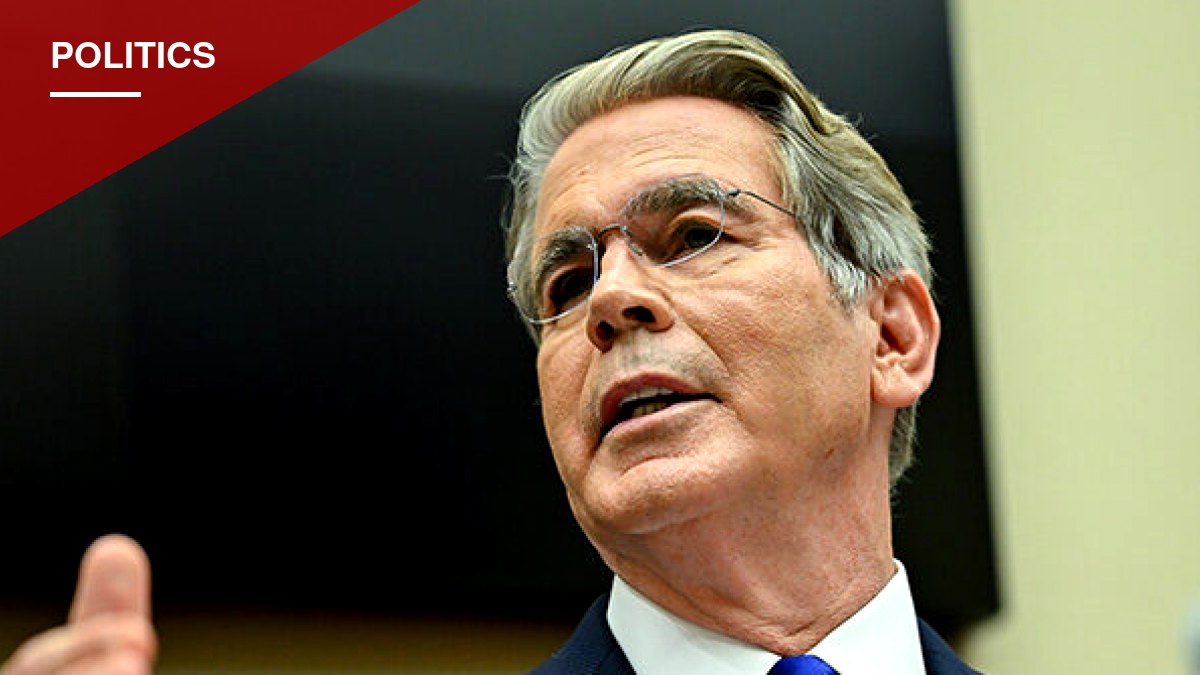

Treasury Secretary Scott Bessent announced a new policy that would bar migrants receiving government assistance from sending money out of the United States, part of a broader federal crackdown on alleged social benefits fraud in Minnesota.
The policy emerges from an investigation that includes Internal Revenue Service audits of banks suspected of money laundering in the state. Bessent said he has been concerned that remittances sent by members of Minnesota’s Somali community back to Somalia may have reached the terror group al-Shabaab, prompting calls for tighter scrutiny of such transfers.
“If you are wiring the money out of the country, one of two things must be true: you’re either getting too much money and your benefits must be cut, or you’re part of this conspiracy. Where did that money come from? We’re gonna find out,” Bessent said in an interview on Fox News.
Under the new approach, Bessent said anyone sending money overseas through a money service business will be required to disclose whether they receive public assistance.
“From now on, anyone who wires money out from one of these money service businesses has to check a box saying whether they are on public assistance,” he said. “And if you are on public assistance, we are going to start pushing that you cannot wire money out of the country.”
Bessent added that Treasury intends to pursue the matter aggressively. “Treasury will deploy all tools to bring an end to this egregious unchecked fraud and hold perpetrators to account,” he said.
He said the restriction would not apply to those who can document the legitimate source of their funds. “I am here this week to signal the U.S. Treasury’s unwavering commitment to recovering stolen funds, prosecuting fraudulent criminals, preventing scandals like this from ever happening again, and investigating similar schemes state by state,” Bessent said, according to Reuters.
The Federation for American Immigration Reform estimates that remittances sent abroad by both legal and illegal migrants drain as much as $200 billion annually from the U.S. economy.






You must be logged in to post a comment Login