
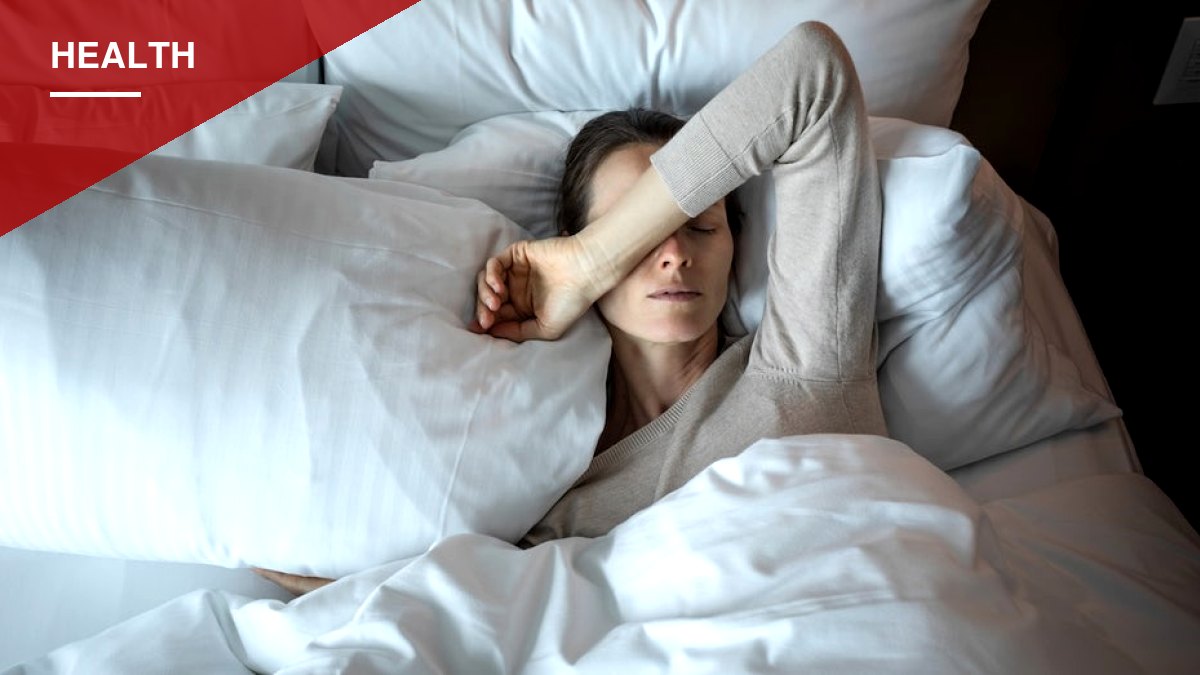

Researchers studying nearly 11,400 Australian adults with a history of depression say they have identified a pattern of sleep and body-clock disruptions that may mark a distinct subtype of the illness, which they are calling “circadian depression.”
About 23% of the participants met the criteria the researchers set for this profile. To qualify, a person needed at least three of six traits: being an evening person, waking up feeling very tired, sleeping longer during the worst stretches of depression, experiencing seasonal shifts in mood or behavior, having a later midpoint between falling asleep and waking, and experiencing “social jetlag,” meaning a large gap between sleep timing on workdays versus days off. The seasonal changes researchers looked for could touch sleep, mood, activity, appetite, weight or energy levels.
The findings were published Oct. 20 in The British Journal of Psychiatry. The study was led by researchers at the University of Sydney and QIMR Berghofer Medical Research Institute, with contributors from institutions in Australia, the United Kingdom and the United States.
“Depression is not a uniform illness, and understanding the characteristics of different subtypes means we can give people earlier access to treatments that will be most effective for them,” said first author Emiliana Tonini, Ph.D., of the University of Sydney’s Brain and Mind Centre.
The researchers stressed that “circadian depression” is not yet a formal diagnosis. It needs to be confirmed by other research teams and studied further before it could change how doctors treat patients.
More Severe Symptoms, Weaker Drug Response
People who fit the circadian profile reported that their depression began earlier in life and hit harder than it did for other participants. They were also more likely to report gaining weight during depressive episodes, and they reported weaker results and more side effects from two widely used classes of antidepressants: selective serotonin reuptake inhibitors (SSRIs) and serotonin-norepinephrine reuptake inhibitors (SNRIs).
The study relied on participants’ own reports of how well their medications worked and did not explain why those drugs seemed to fall short for this group. It also did not test treatments aimed specifically at resetting the body’s internal clock, though the researchers said approaches involving light exposure, consistent sleep schedules and melatonin deserve further study.
Dr. Ian Hickie, a study co-author and professor of psychiatry at the University of Sydney, said the circadian profile “cuts across existing historic subtypes” of depression — chiefly atypical depression and bipolar depression — because those categories share overlapping features like low energy and oversleeping. He noted that the new profile is defined strictly by sleep-wake and circadian traits.
“This type of circadian disturbance is not simply a consequence, but the underlying cause,” Hickie wrote, referring to sleep-wake disruption in some patients with this profile.
Still, the study itself could not determine whether disrupted body clocks cause depression or result from it. And the researchers cautioned that staying up late or struggling to wake up does not by itself signal depression — every participant in the study had already reported a history of depression, in some cases severe or long-lasting.
Possible Link to Manic-Like Symptoms
People in the circadian group also reported more manic-like experiences than other participants. John Puls, a psychotherapist and adjunct professor at Florida Atlantic University who was not involved in the study, said that detail may help explain the group’s weaker response to standard antidepressants.
“SSRIs are not meant to treat these more significant mental health symptoms that go far beyond depressive symptoms,” Puls told Fox News Digital. “In fact, some SSRIs can actually worsen manic symptoms, which lead to poor sleep.”
Limitations and Calls for Caution
The researchers acknowledged several limits to their work. Participants self-reported their own sleep patterns and treatment experiences, and because the study only captured a single point in time, it could not show whether sleep disruption came before or after depressive symptoms appeared. All participants were of European ancestry, meaning the results may not hold true for other populations.
Jillian Amodio, a Maryland-based psychotherapist and founder of Moms For Mental Health who was not involved in the research, warned against treating the findings as a one-size-fits-all guide.
“Biological, environmental, social and psychological factors all need to be accounted for,” Amodio told Fox News Digital.
She said future research should look at a wider range of populations, including night-shift workers, and account for differences in time zones and seasons.






You must be logged in to post a comment Login