
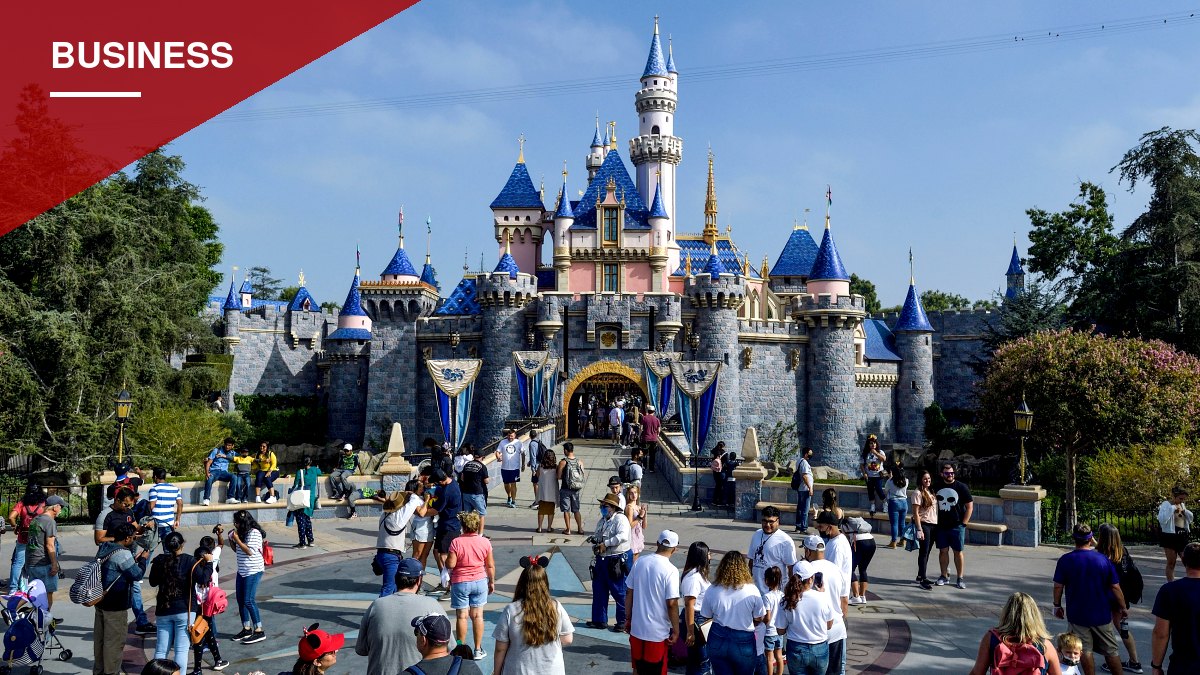

Disney has filed two patents for AI-powered theme park characters designed to form personalized bonds with guests, raising concerns among fans that the technology could eventually replace human actors who play beloved characters throughout the parks.
Disney Enterprises was recently granted a patent for an AI-driven machine built for what the filing calls “interaction communication.” The system uses input from a guest to build a connection between the robot and the visitor. The animatronic prompts guests to share a personal memory, then checks that memory against a stored memory bank to generate a matching response. If no match is found, the system creates a new memory and adds it to its bank for future use.
A second patent would let these characters compose and perform an original song, poem, or dance based on whatever memory the guest just shared.
The filings arrive as Disney continues to invest heavily in advanced animatronics. The company has already rolled out a free-roaming robotic version of Olaf from Frozen, along with new animatronic figures featured in the Rock ‘n’ Roller Coaster Starring The Muppets and Tiana’s Bayou Adventure attractions.
Fans React With Skepticism
News of the patents drew a mixed, often wary response online. “This is inevitable, & I hate it!” one commenter wrote. Another said simply, “AI sucks and I’m tired of it in everything.”
Much of the concern centered on jobs. “So…basically trying to eliminate having cast members playing the characters. And given how some guests tend to act around the cast members,” one social media user wrote, going on to predict Disney could eventually cut a large share of its park workforce in favor of automated technology for rides, food service, and character performances.
“As long as AI isn’t taking anyone’s jobs I don’t see it as harmful. If they start removing live actors for AI animatronics then we riot,” said another commenter.
A Pattern of Automation
The AI character patents follow other recent moves by Disney toward automated technology. Earlier this month, the company was granted a patent for a system that automatically detects and removes background crowds from park photos.
Disney’s track record with advanced animatronics has been uneven. The free-roaming Olaf robot at Disneyland Paris, introduced in late 2025 and billed by Disney as its “latest brand-new innovation,” malfunctioned in front of guests in March, powering down mid-sentence and falling backward to the ground.
The company’s animatronics haven’t always landed well with fans even when functioning properly. Last year’s unveiling of Disney’s first-ever audio-animatronic of founder Walt Disney drew criticism from some fans who said the figure didn’t closely resemble him.




You must be logged in to post a comment Login